

2 hrs ago
Calls Grow to Keep IIT Bombay Suicide Case Evidence-Based
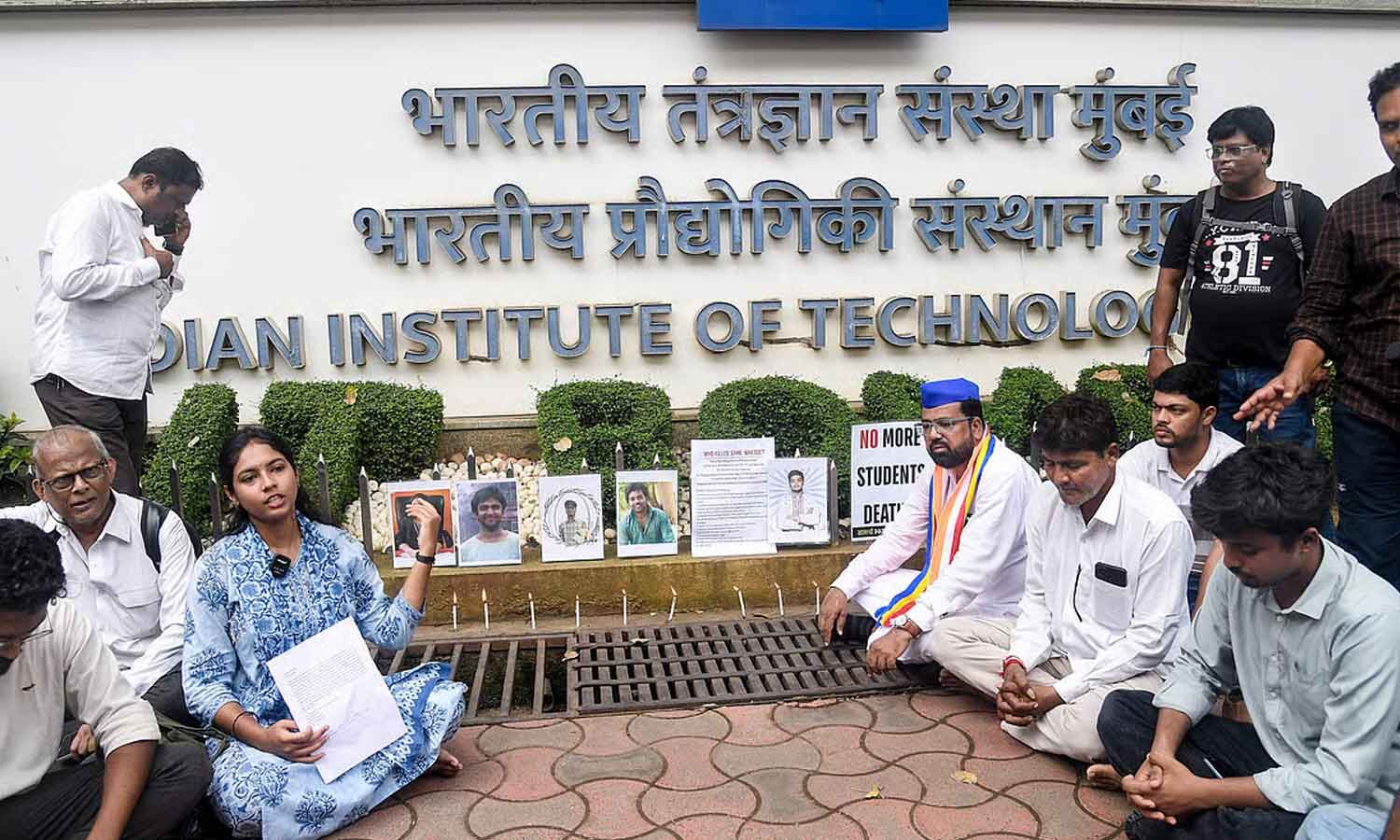
A student at IIT Bombay reportedly died by suicide in his hostel room.
Before that, officials said he had been caught using ChatGPT during an exam.
The institute said he was only stopped from continuing the test and was not formally punished.
His family and some students said the institute treated him unfairly because of his caste.
Police charged a professor with abetment to suicide and under a law protecting Scheduled Castes and Scheduled Tribes.
The article argues that these are serious accusations that need careful investigation.
It says politicians should not decide what happened before evidence is examined.
The writer believes the case should be handled through a fair and transparent process.

Second-year Dalit BTech student Sahil Wakode allegedly died by suicide in an IIT Bombay hostel room on Friday evening.
The institute said Wakode was stopped from continuing a mid-semester exam after officials accused him of using ChatGPT to cheat.
Wakode’s family and campus protesters alleged institutional harassment and caste-based discrimination, while IIT Bombay said no disciplinary action was taken.
Police charged Professor Suryanarayana Doolla under the Scheduled Castes and Scheduled Tribes (Prevention of Atrocities) Act and for alleged abetment to suicide.
The article argues that the competing claims should be tested through evidence, transparent investigation, accountability, and due process rather than political rhetoric.
- Who
- Sahil Wakode, a second-year Dalit BTech student at IIT Bombay; Professor Suryanarayana Doolla; IIT Bombay officials; Wakode’s family, protesters, police, and political leaders.
- What
- Wakode allegedly died by suicide after being stopped from continuing a mid-semester examination; Doolla was charged with alleged abetment to suicide and under the Scheduled Castes and Scheduled Tribes (Prevention of Atrocities) Act.
- Where
- An IIT Bombay hostel room on the institute’s campus.
- When
- Friday evening; the articles do not provide a specific date.
- Why
- The circumstances are disputed: the institute cited alleged cheating, while Wakode’s family and protesters alleged institutional harassment and caste-based discrimination.
Institutional Accountability and Discrimination Concerns
Evidence, Due Process, and Non-Politicisation
Treatment of the student
Institutional Accountability and Discrimination Concerns
Wakode’s family and campus protesters alleged institutional harassment and caste-based discrimination in connection with the exam incident.
Evidence, Due Process, and Non-Politicisation
IIT Bombay said it did not take disciplinary action and only prevented Wakode from continuing an exam after alleged cheating was detected.
Criminal case against the professor
Institutional Accountability and Discrimination Concerns
The police charges reflect allegations that Professor Suryanarayana Doolla’s conduct contributed to Wakode’s death and involved caste-based wrongdoing.
Evidence, Due Process, and Non-Politicisation
The article describes the charges as excessive and argues that they should be assessed through evidence and due process rather than pressure from political or activist groups.
Role of politicians
Institutional Accountability and Discrimination Concerns
Political leaders may raise questions about institutional accountability and how discrimination allegations are investigated.
Evidence, Due Process, and Non-Politicisation
Politicians should not make unsubstantiated claims or inflame social divisions before a transparent investigation establishes the facts.
Key facts
- Student
- Sahil Wakode, a second-year Dalit BTech student
- Institution
- Indian Institute of Technology Bombay
- Exam incident
- Officials accused Wakode of using ChatGPT during a mid-semester examination
- Institute’s account
- Wakode was not allowed to continue the exam, and the institute said no disciplinary action was taken
- Family and protesters’ allegations
- Institutional harassment and caste-based discrimination
- Police case
- Professor Suryanarayana Doolla was charged with alleged abetment to suicide and under the Scheduled Castes and Scheduled Tribes (Prevention of Atrocities) Act
- Political response
- Congress leader Shama Mohamed supported Doolla after his removal as dean
Sources
Related news
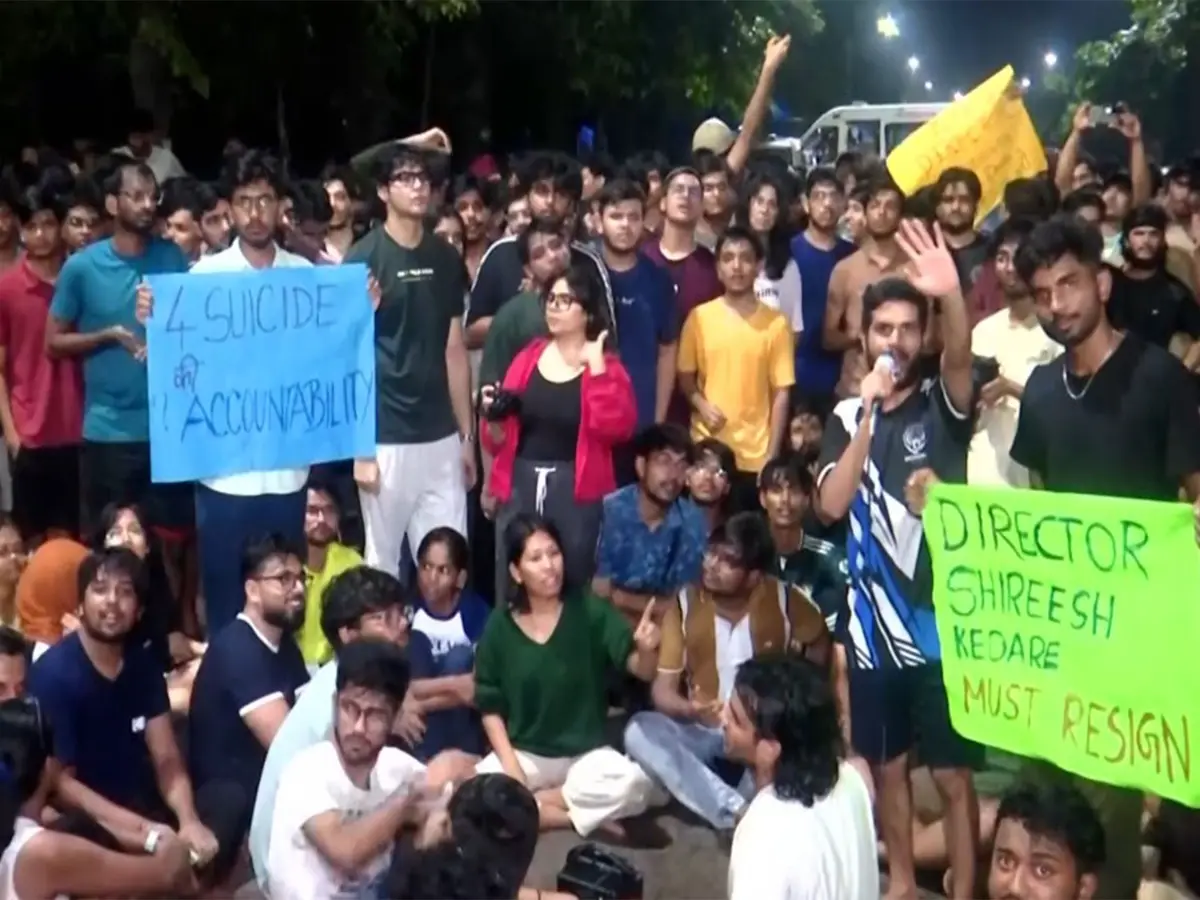
IIT Bombay Student Death Prompts FIR, Crime Branch Probe
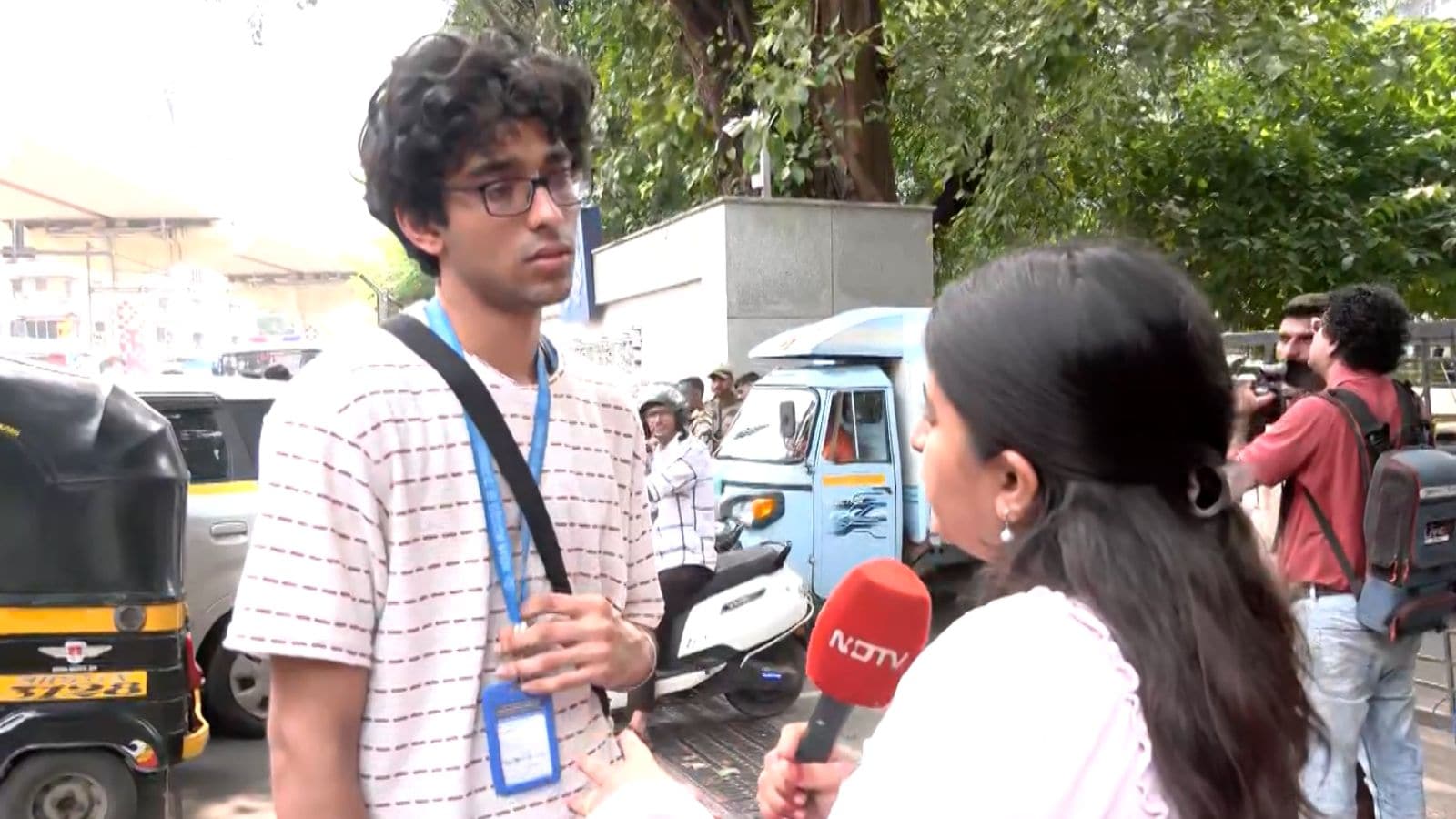
IIT Bombay Student Death Sparks Dispute Over Caste Abuse Claims
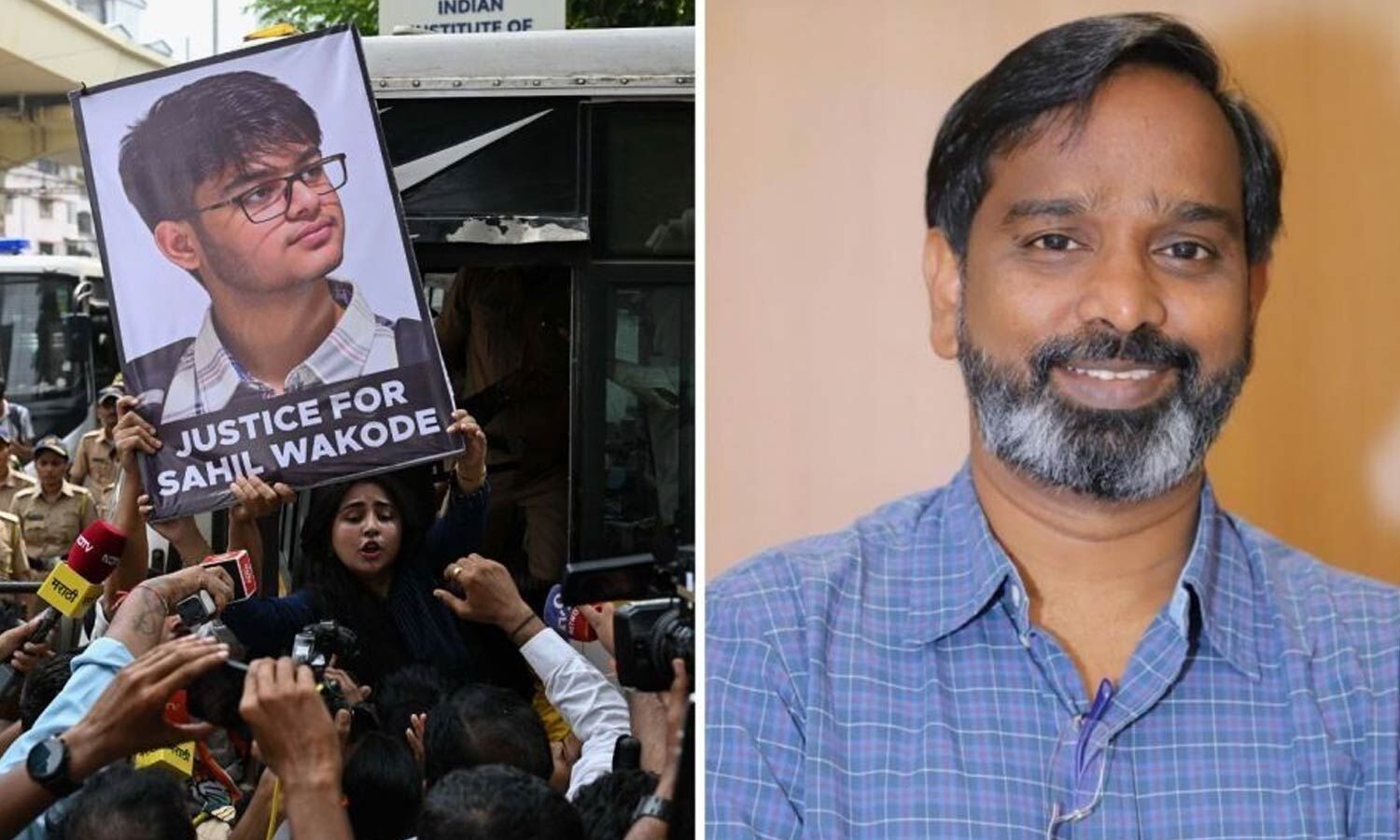
IIT Bombay Dean Removed as Wakode Suicide Probe Expands

Minister Rejects Casteist Framing in IIT Bombay Student Suicide
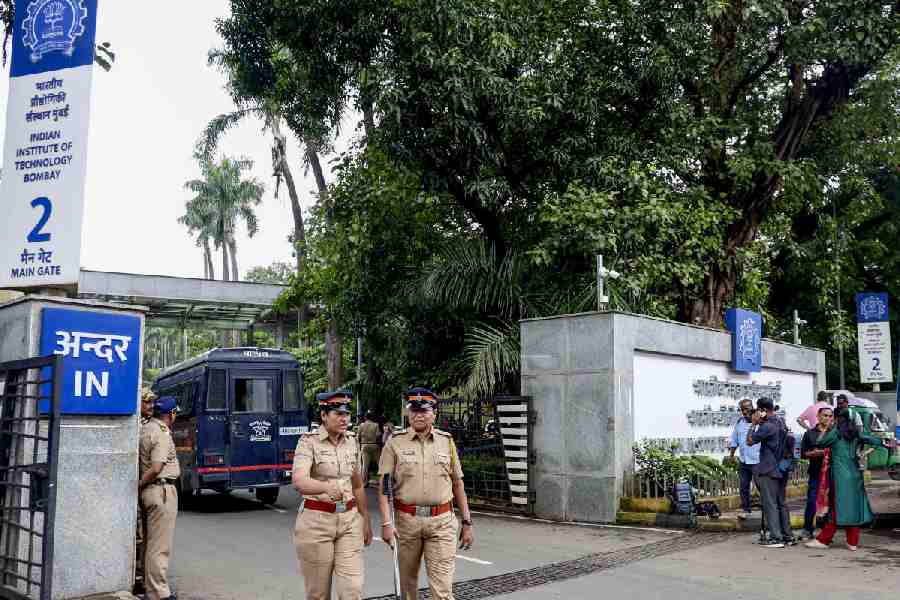
Father alleges caste harassment after IIT Bombay student's death
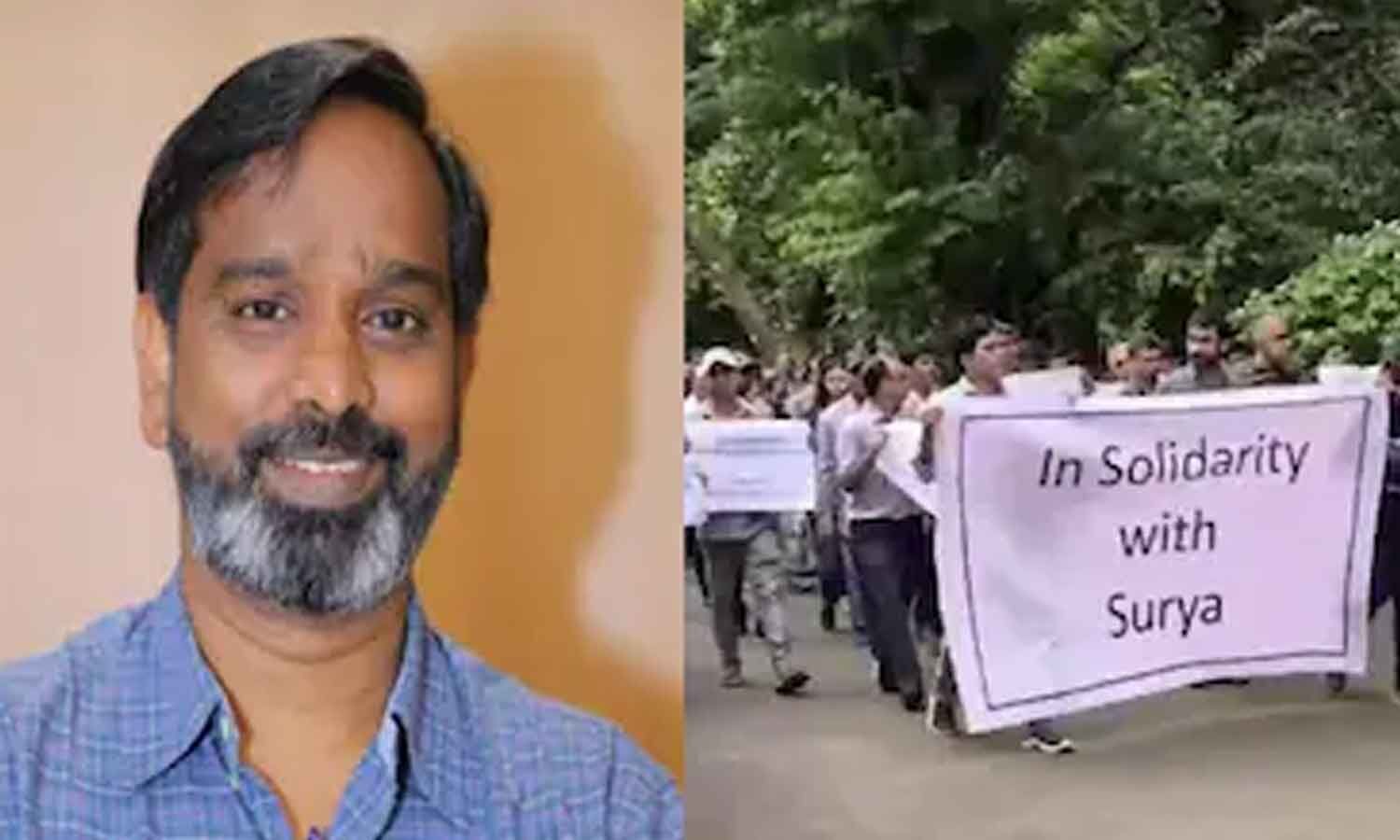
Probe Finds No Concrete Evidence Linking IIT Professor to Suicide
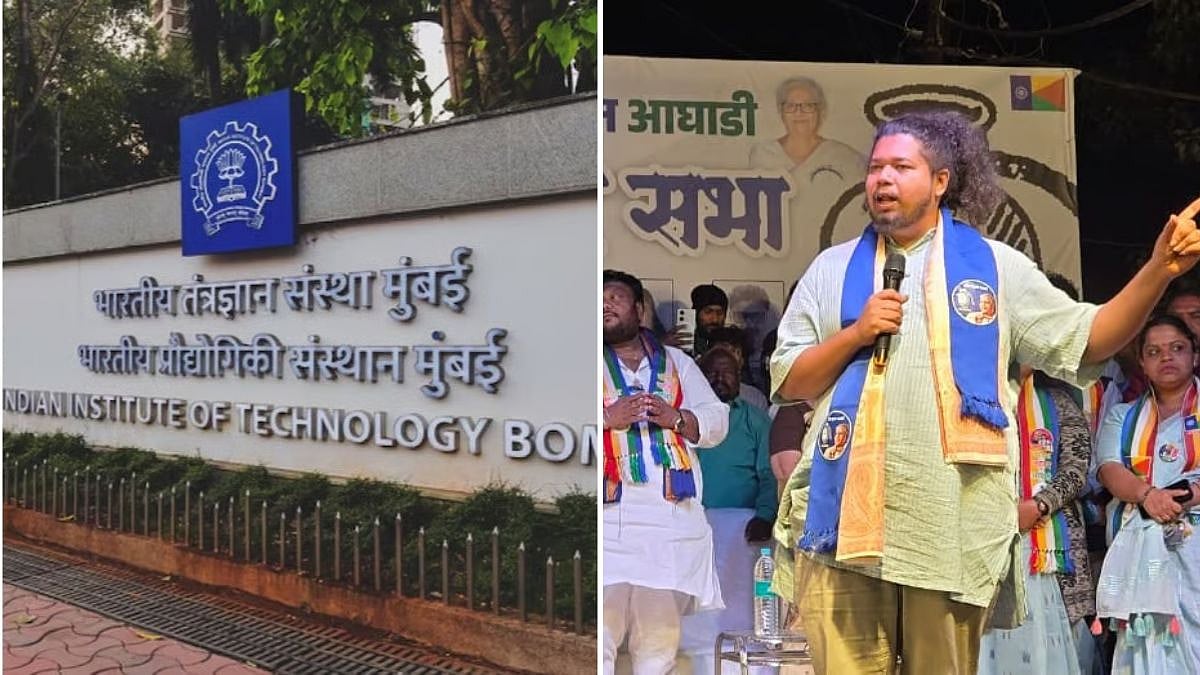
Ambedkar Seeks Independent Probe Into IIT Bombay Student Death
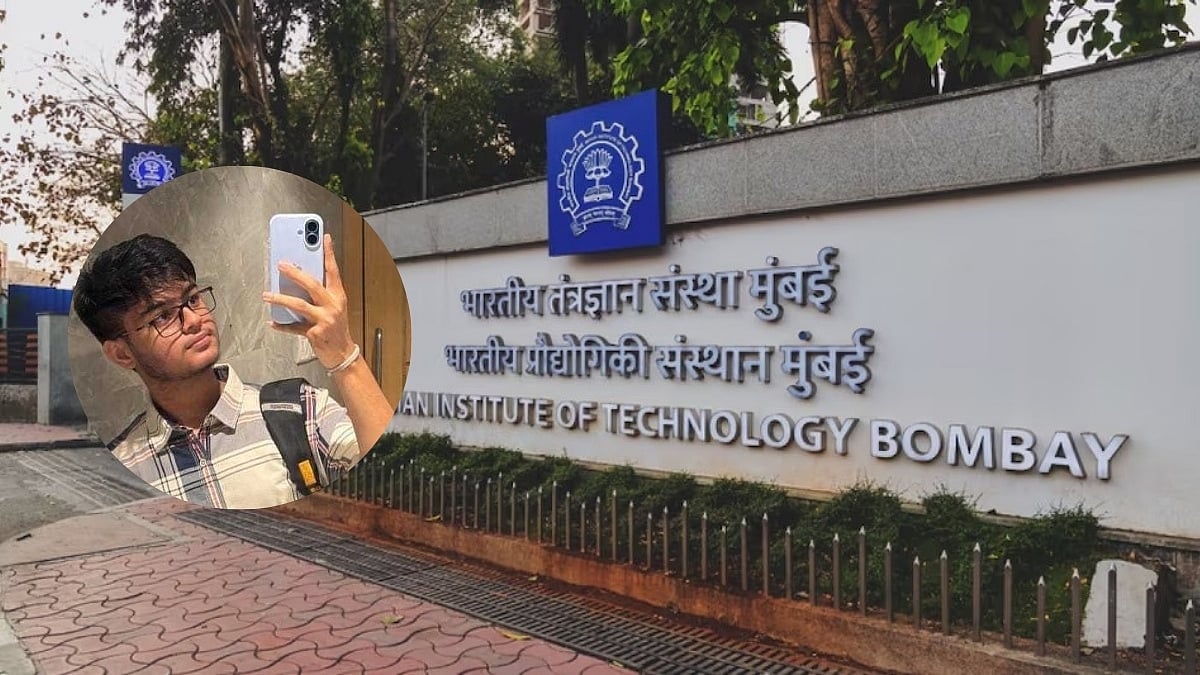
IIT Bombay Alumni Seek Fair Probe Into Sahil Wakode Death
IIT Bombay Protests End Amid Caste and Accountability Divide
