3 hrs ago
IIT Student Distress Spurs Debate Over Campus Wellbeing
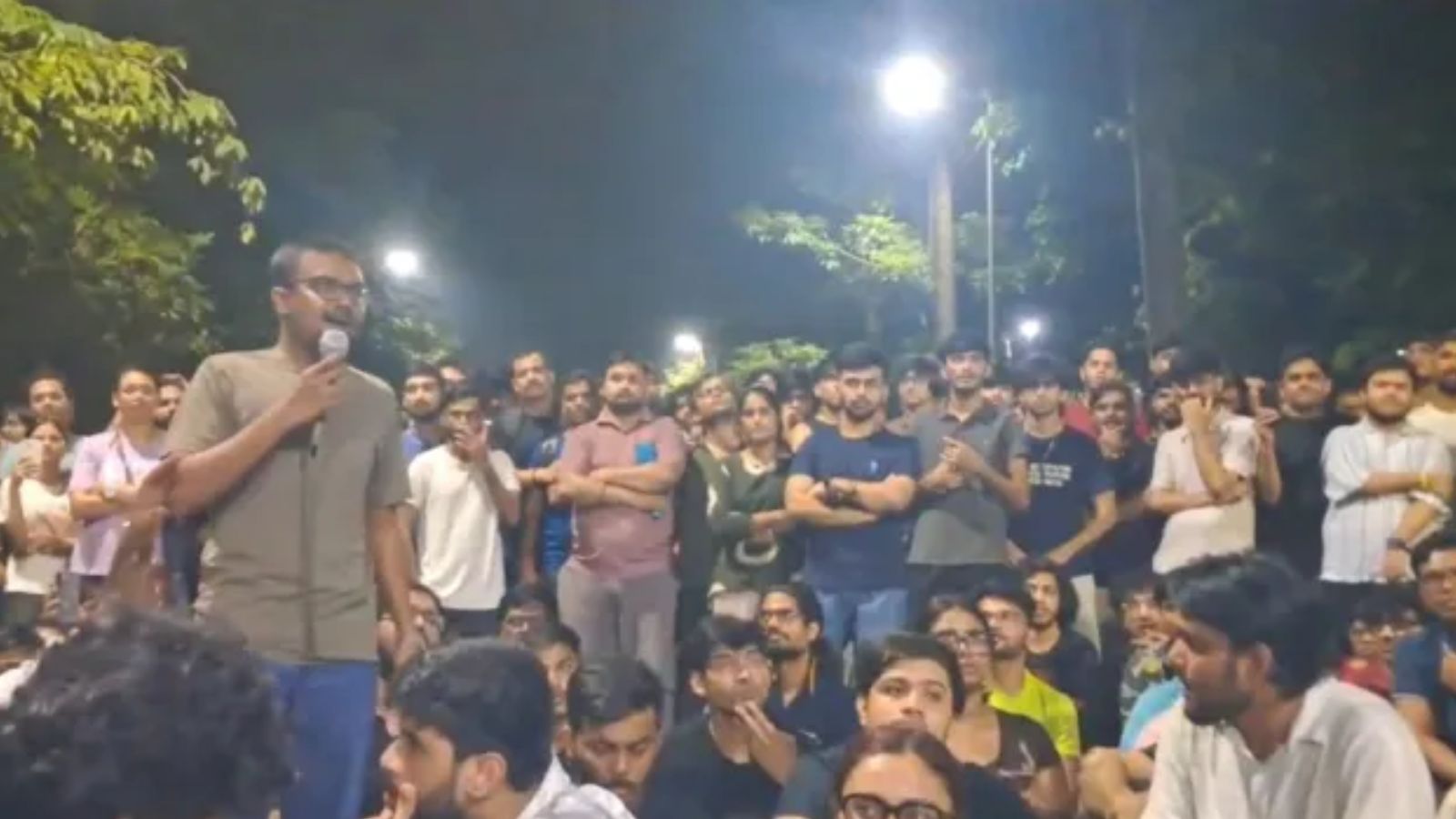
Some students at major Indian technology institutes have recently died, causing people to ask how campuses support student wellbeing.
The article says counselling and professional medical care can be very important during a crisis.
But it argues that counselling cannot fix an impossible workload, unfair treatment, poor housing, or an unresponsive administration.
Students may also feel afraid to question grades, disagree with teachers, or report problems.
The author says universities should treat students as adults with rights and a voice in decisions.
Teachers and staff should learn how to respond to distress without humiliating students.
Universities should make rules and grievance systems more open and trustworthy.
Students, faculty, and administrators all share responsibility for creating safer campuses.
The goal is not to remove all academic difficulty, but to reduce avoidable pressures and unfairness.

Recent student deaths at IIT Delhi and IIT Bombay have renewed debate over campus wellbeing.
The article argues that counselling alone cannot address academic pressure, discrimination, financial hardship, and institutional dysfunction.
It says hierarchies, opaque evaluation, poor grievance systems, and limited student autonomy can intensify distress.
The World Health Organization and India’s 2026 interim report link wellbeing to individual, social, economic, and institutional conditions.
Proposed reforms include student participation in governance, staff training, humane disciplinary processes, and annual wellbeing audits.
- Who
- Students, faculty, administrators, counsellors, and educational institutions, particularly at IIT Delhi and IIT Bombay.
- What
- Recent student deaths have prompted renewed debate about student wellbeing, mental-health support, academic pressure, and institutional culture.
- Where
- Indian higher-education campuses, specifically IIT Delhi and IIT Bombay.
- When
- The debate follows recent deaths; India’s National Task Force is cited as having issued a 2026 interim report.
- Why
- The article argues that distress is shaped not only by individual mental-health conditions but also by academic overload, discrimination, financial hardship, hierarchies, and institutional practices.
Clinical Support Focus
Institutional Reform Focus
How to address student distress
Clinical Support Focus
Professional counselling, therapy, medication where appropriate, and crisis protocols can provide essential help, especially during emergencies.
Institutional Reform Focus
Support services should not become the institution’s main measure of wellbeing; universities must also change the conditions that produce fear, humiliation, uncertainty, or loss of agency.
Responsibility for wellbeing
Clinical Support Focus
Students can be encouraged to build resilience through time management, emotional regulation, sleep, exercise, and mindfulness.
Institutional Reform Focus
Personal coping skills have limits when workloads are unreasonable, grading is opaque, grievance procedures are untrustworthy, or students face discrimination and poor infrastructure.
Authority and campus discipline
Clinical Support Focus
Academic standards and institutional authority remain necessary, and students are not always right.
Institutional Reform Focus
Authority should be balanced with autonomy, due process, dissent, and meaningful student participation; obedience should not be treated as the same thing as respect.
Key facts
- Institutes mentioned
- IIT Delhi and IIT Bombay
- Immediate responses
- IIT Delhi formed an external inquiry committee; IIT Bombay’s director said a committee would examine the death and student concerns.
- Structural pressures
- Academic overload, discrimination, financial hardship, poor hostel infrastructure, career anxiety, and unresponsive administration.
- International framework
- The World Health Organization places mental health within social, economic, and physical environments.
- Indian policy reference
- The National Task Force on Student Mental Health and Suicide Prevention’s 2026 interim report links wellbeing to academic pressure and institutional culture.
- Proposed governance changes
- Include students and alumni in institutional governance and treat students as rights-bearing adults.
- Suggested accountability measure
- Universities should conduct an annual student wellbeing audit.
Sources
Related news
IIT Suicides Highlight Need for Early-Warning Systems Across Campuses
IIT Delhi Details Student Welfare Measures After Campus Death
India Urged to Create Law Protecting Students in Higher Education
IIT Delhi Reconstitutes Inquiry Panel Amid Protests Over Student Death
IIT-Delhi Student Death Sparks Protest Over Systemic Concerns
Government Launches Medicine-Safety Tools and Biovigilance Programme in India
Pregnancy Sepsis: Warning Signs, Prevention, and Emergency Care
India Approves Biovigilance Programme for Safer Organ Transplant Products

India's Salt Iodisation Cuts Goitre, But Autoimmunity Rises