1 week ago
Canada Raises International Student Living Funds Requirement for 2026
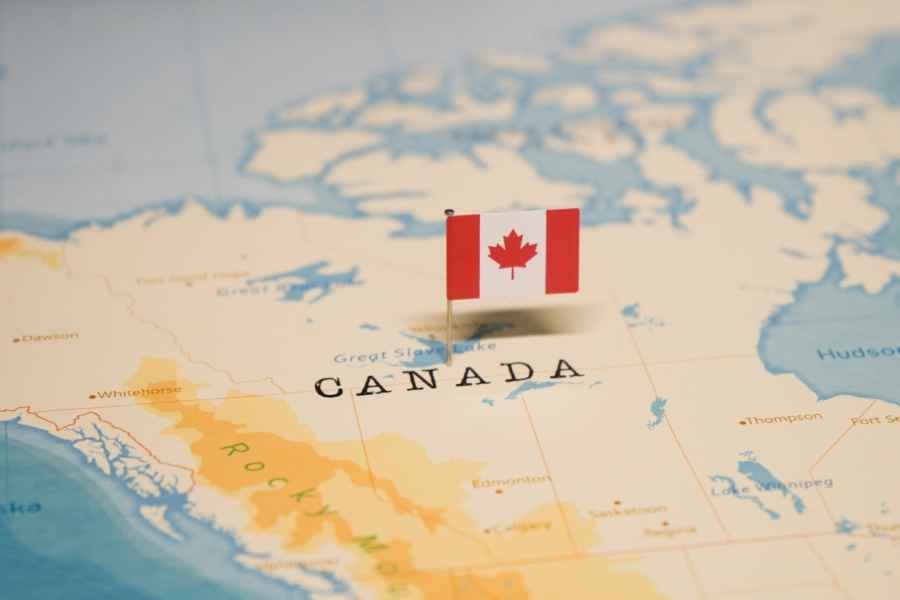
Canada is increasing the amount of money international students must show for living costs.
The new rule begins on September 1, 2026.
A student applying alone must show C$23,448 if studying outside Quebec.
This amount does not include tuition or travel costs.
Students bringing family members must show more money.
The government says the change reflects higher living costs in Canada.
It also says the rule can help protect students from financial hardship and exploitation.
Students should plan to show enough money for all their major expenses.

From September 1, 2026, a single student must show C$23,448 for living expenses outside Quebec.
The single-student requirement rises from C$22,895, while higher amounts apply to accompanying family members.
Living-expense funds are separate from tuition and transportation costs, including return airfare.
IRCC links the annual adjustment to Statistics Canada’s Low-Income Cut-Off benchmark.
Applicants can use bank accounts, Guaranteed Investment Certificates, education loans, bank statements, or scholarship and sponsorship letters as proof of funds.
- Who
- International students applying for Canadian study permits, including those travelling with family members.
- What
- Canada is raising the minimum proof-of-funds requirement for living expenses.
- Where
- For provinces and territories outside Quebec; Quebec has separate requirements.
- When
- The revised requirements take effect September 1, 2026.
- Why
- Immigration, Refugees and Citizenship Canada says the adjustment reflects living costs and helps reduce students’ financial vulnerability and potential exploitation.
Government rationale
Applicant concerns
Purpose of the higher threshold
Government rationale
Immigration, Refugees and Citizenship Canada says higher requirements better reflect Canadian living costs and protect students from financial vulnerability and exploitation.
Applicant concerns
Applicants must secure more funds before applying, and the living-expense amount is only one part of the total requirement because tuition and travel costs are additional.
Effect on study plans
Government rationale
The article characterizes the annual increase as a planning measure rather than an attempt to keep international students out.
Applicant concerns
Students and families may need to plan for substantially more accessible money, especially when tuition and airfare are added to the requirement.
Key facts
- Single student requirement
- C$23,448 from September 1, 2026, up from C$22,895.
- Student with one family member
- C$29,192 in required living-expense funds.
- Student with two family members
- C$35,888 in required living-expense funds.
- Additional costs
- Applicants must separately demonstrate funds for tuition and transportation, including return airfare.
- Approximate Indian equivalent
- The single-student amount is roughly Rs 16 lakh at the exchange rate cited in the article.
- Adjustment benchmark
- The requirement is updated each September 1 and tied to Statistics Canada’s Low-Income Cut-Off.
- Proof-of-funds options
- Acceptable evidence may include Canadian bank funds, a Guaranteed Investment Certificate, an education loan, six months of bank statements, or scholarship and sponsorship letters.
Sources
Related news

Canada Raises Financial Requirement for International Student Permits

Canada Raises Student Visa Funds, Tightens Checks, Eases Co-op Rules
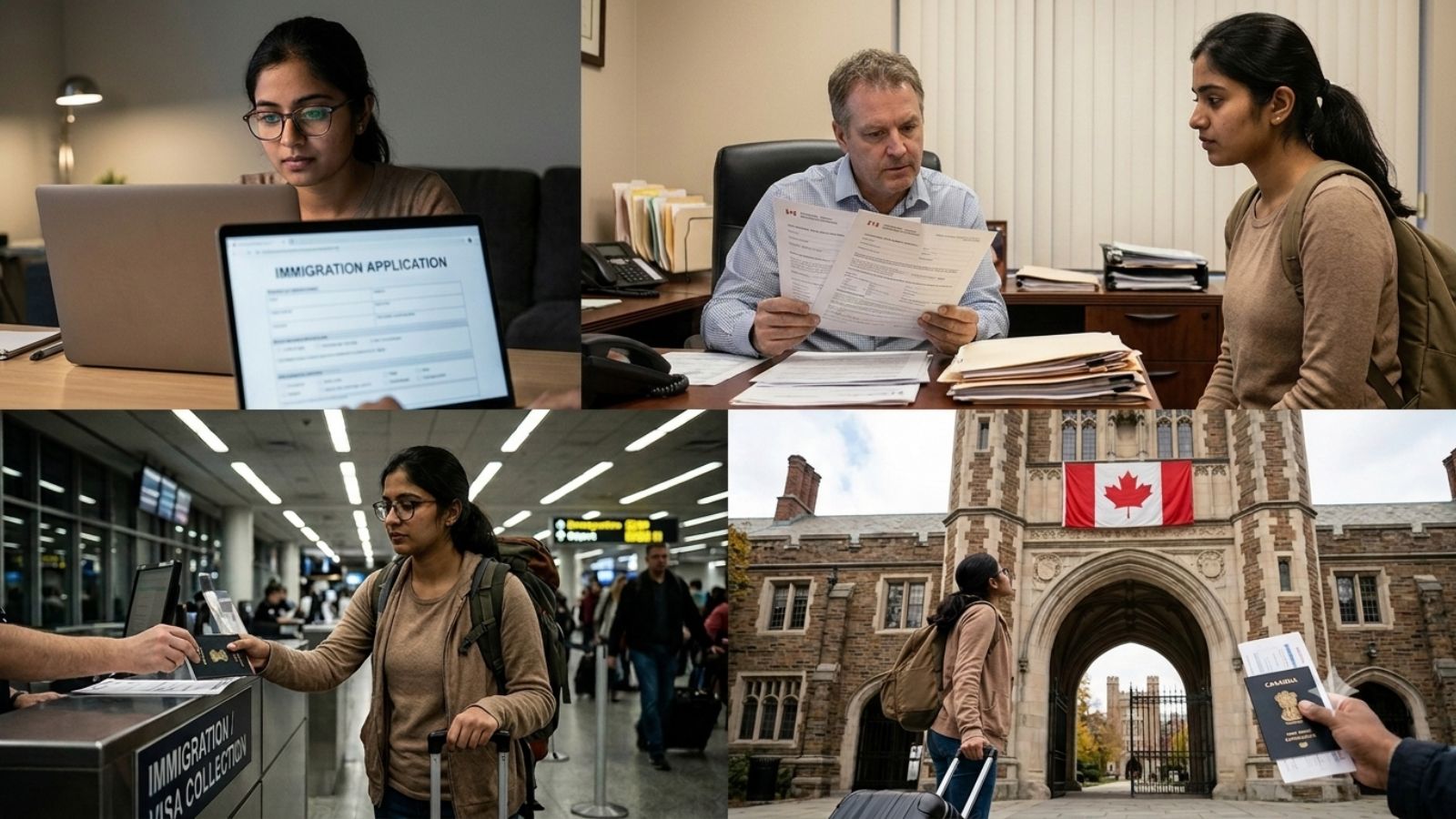
Canada’s 2026 Study Permit Changes Raise Funds, Tighten Scrutiny

Gujarat Raises Overseas Study Income Ceiling to Rs 10 Lakh

Indian-Origin Resident Says Canada Has Lost Its Affordability

India, Canada Seek Easier Payments for 400,000 Indian Students

Canada Fast-Tracks Doctoral Visas to Attract Research Talent

Trump Threatens Bombardier Jet Sales as Canada Plans Counter-Tariffs