

7 hrs ago
Canada Fast-Tracks Doctoral Visas to Attract Research Talent
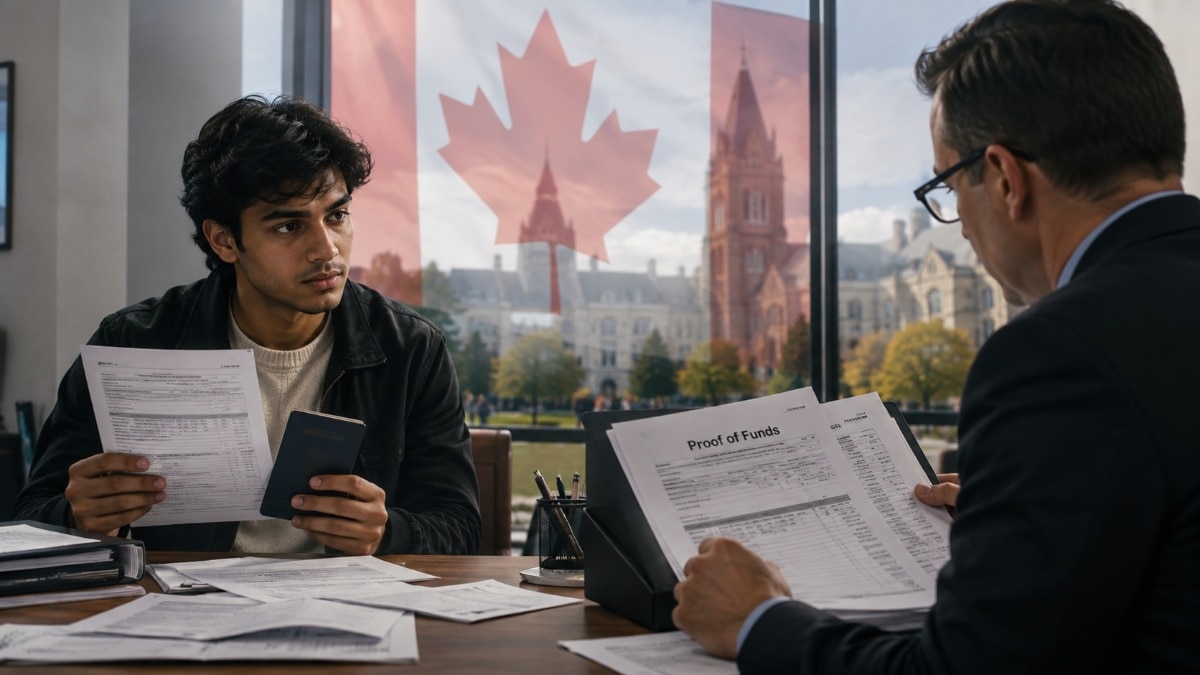
Canada wants more talented researchers to study in the country.
It plans to process doctoral student study-permit applications in about two weeks.
Starting January 1, 2026, many master's and doctoral students will not need a provincial or territorial attestation letter.
This applies to students accepted by public degree-granting institutions.
Students going to Quebec still have to meet Quebec’s entry requirements.
Families can apply for their visas and permits at the same time.
International graduate students may work while studying if their permits allow it.
After graduation, they may be able to work in Canada and apply through some permanent-residency programs.

Doctoral student study-permit applications are targeted for processing within two weeks.
Graduate students represented 21% of new study permits from January through June 2026, up from 12% in the same period of 2025.
From January 1, 2026, master's and doctoral students at public degree-granting institutions no longer need a provincial or territorial attestation letter.
Spouses, common-law partners, and dependent children can submit related visa or permit applications together with the student’s application.
Graduates may qualify for a Post-Graduation Work Permit and later pursue Canadian permanent-residency pathways.
- Who
- Immigration, Refugees and Citizenship Canada and prospective international master's and doctoral students.
- What
- Canada is simplifying graduate study-permit applications and targeting a two-week processing timeline for doctoral applicants.
- Where
- Canada, with separate provincial entry requirements for students intending to study in Quebec.
- When
- The attestation-letter exemption takes effect January 1, 2026; permit data cited covers January through June 2026.
- Why
- To attract top research talent and help retain international graduates in Canada’s workforce.
Key facts
- Doctoral processing target
- Two weeks for doctoral student study-permit applications.
- Graduate permit share
- Graduate students accounted for 21% of new study permits issued from January through June 2026.
- Previous share
- Graduate students accounted for 12% of new study permits during the same period in 2025.
- Attestation exemption
- Master's and doctoral students at public degree-granting institutions are exempt from PAL or TAL requirements beginning January 1, 2026.
- Family applications
- Spouses, common-law partners, and dependent children can submit visitor-visa, work-permit, or study-permit applications together.
- Post-graduation option
- Eligible master's and doctoral graduates can apply for a Post-Graduation Work Permit.
- Permanent-residency pathways
- The article identifies the Canadian Experience Class, Federal Skilled Worker Program, and Provincial Nominee Programs as possible later pathways.
Sources
Related news
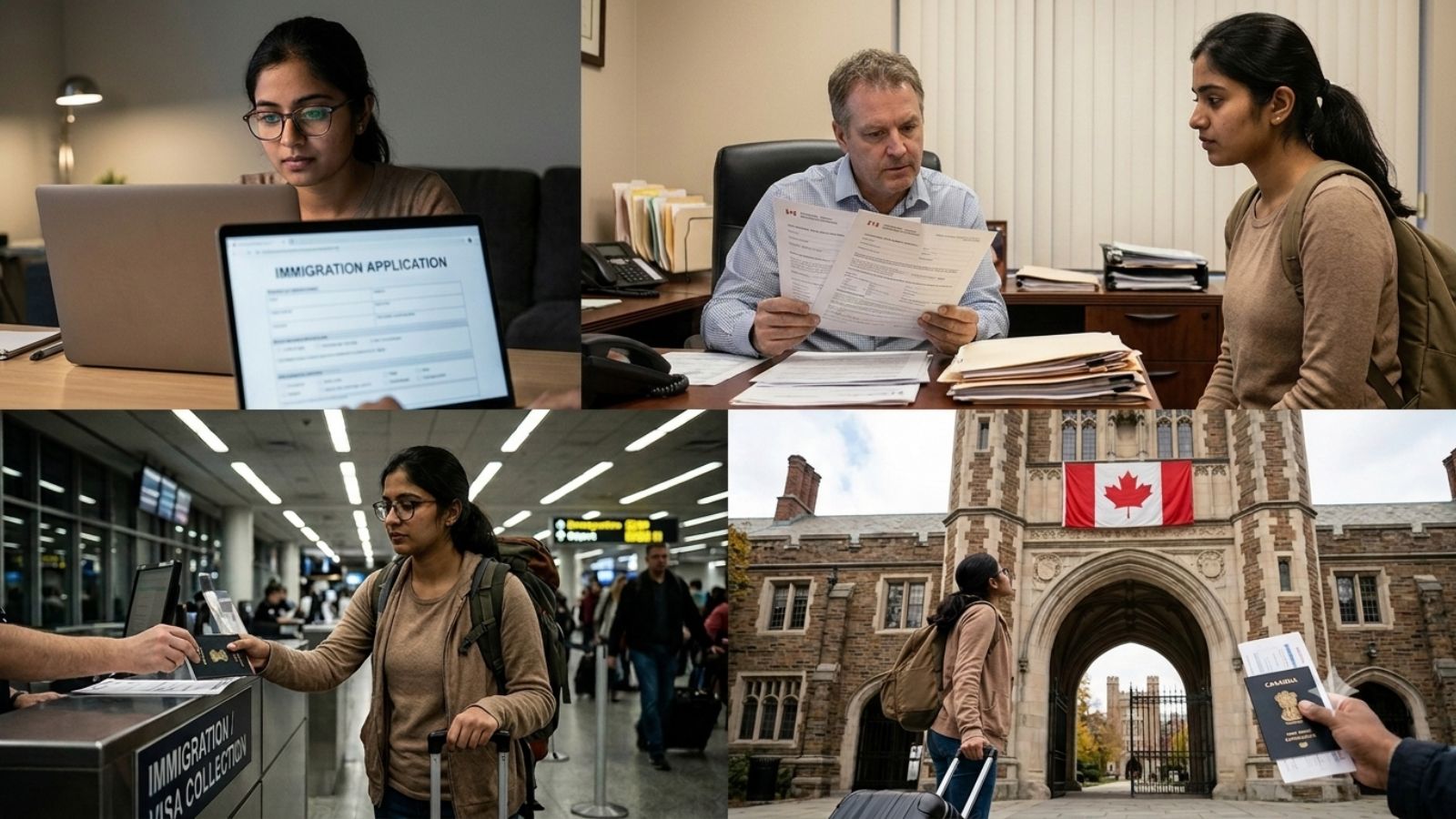
Canada’s 2026 Study Permit Changes Raise Funds, Tighten Scrutiny

Canada Raises Student Visa Funds, Tightens Checks, Eases Co-op Rules

UK Student Dependent Ban Reshapes Family Study-Abroad Choices

Canada Raises Financial Requirement for International Student Permits

Russia's New Talent Visa Offers Fast-Track Residency for Skilled Foreigners

AICTE Revises 2026-27 Calendar, Announces Key Student Opportunities
Alberta Premier Urges Students With Expired Visas To Go Home
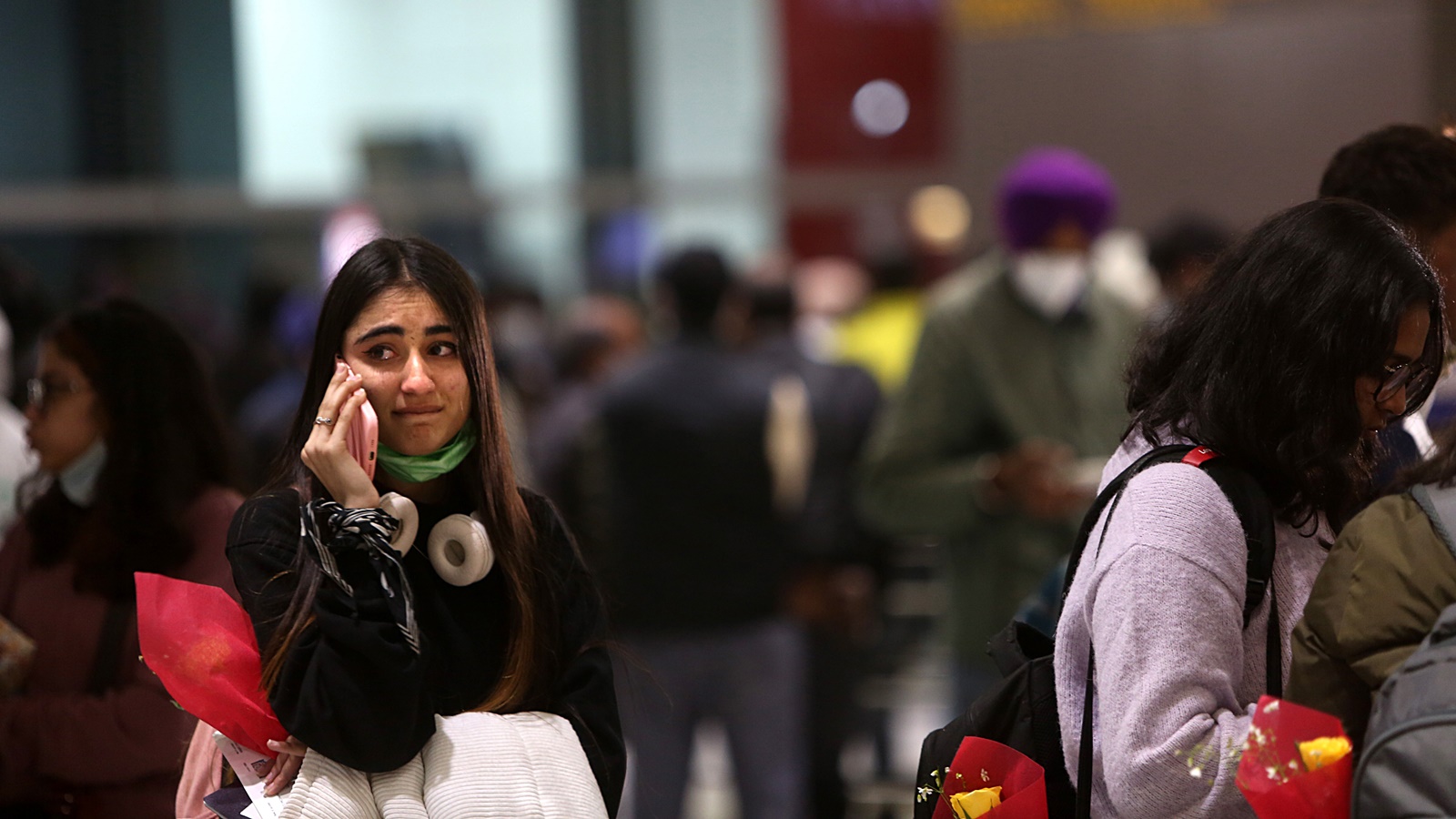
Protesting Indian students face departure after Canada work permit refusals

CBSA checks immigration status of protesting Indian students in Calgary

Indian Students Face PGWP Rejections in Canada
