1 hr ago
Chentikheda Irrigation Project Threatens Cheetah Habitat and Human Livelihoods
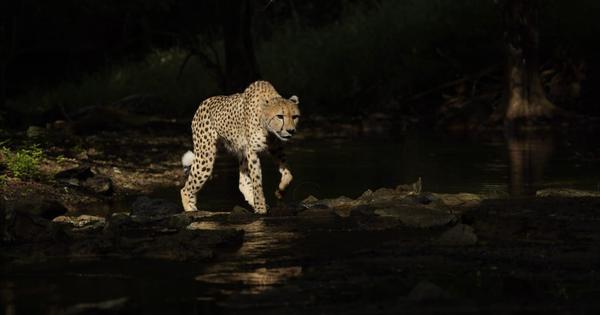
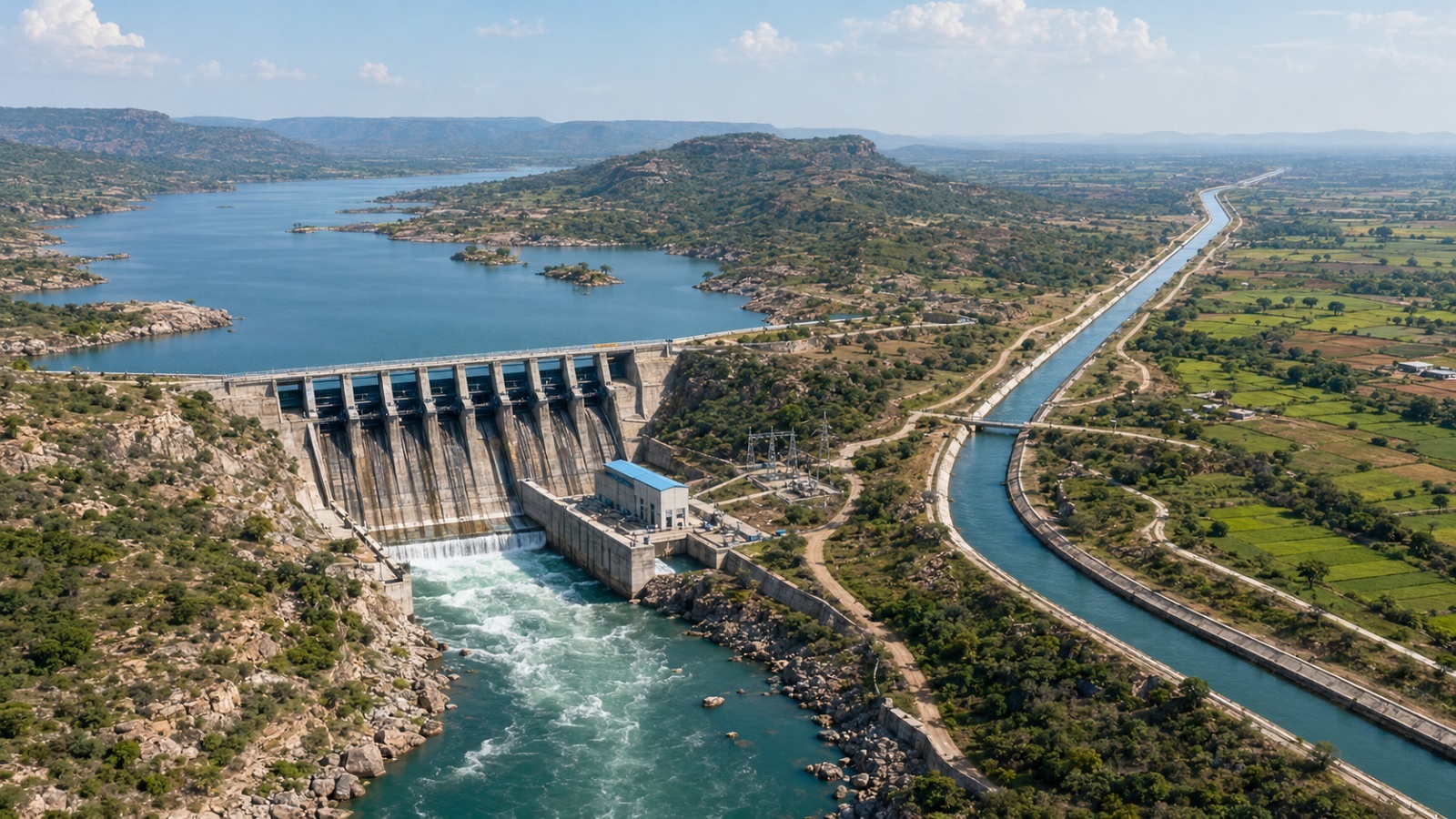
A new dam and irrigation project is planned near Kuno National Park.
The project would flood eight villages and part of the forest.
About 1,200 families may have to move and could lose farmland or other ways to earn money.
Some families were already moved years ago for an earlier wildlife plan.
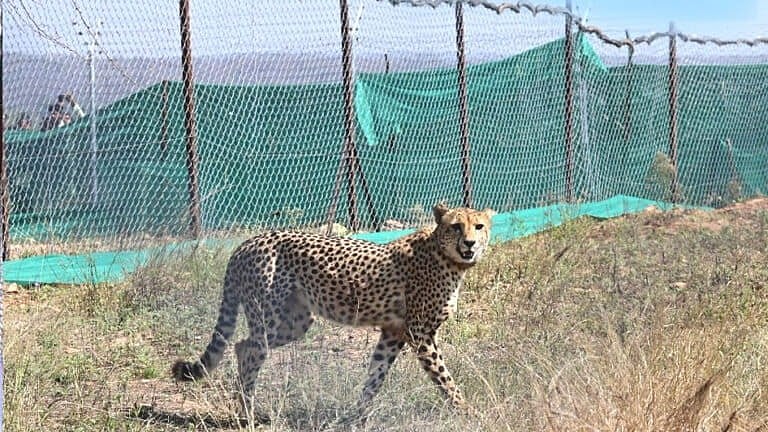
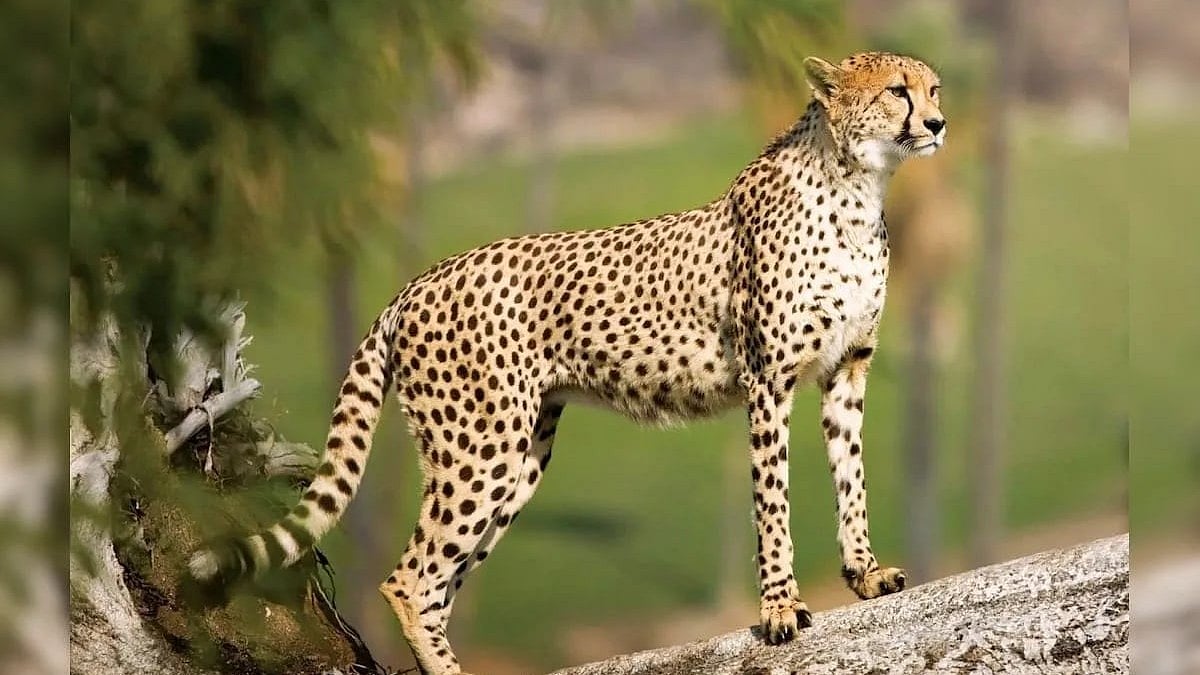
Kuno’s cheetahs also need large areas to find food and mates.
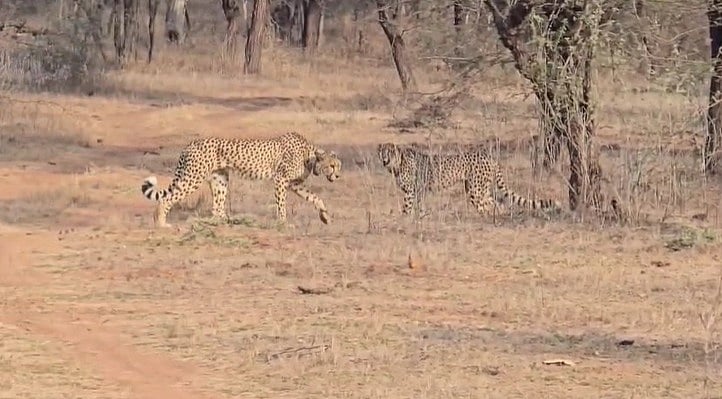
Several cheetahs have already walked outside the park into Rajasthan.
Officials’ assessment says no animal breeding sites were found in the project area.
Wildlife experts say cheetahs can still use that land even without dens there.
Local people and experts want the government to study the effects and follow compensation laws more carefully.

India approved the Chentikheda irrigation project, which would submerge eight villages and 1,361 hectares, including 72 hectares of Kuno’s forests.
About 1,200 families, including roughly 900 Adivasi families, could lose land and livelihoods through relocation.
Experts say Kuno’s 750-square-kilometre area is already too small for the planned cheetah population and that cheetahs regularly leave the park.
The project’s assessment says no nesting or breeding sites were found within its footprint, but wildlife experts warn cheetahs may still use the area.
Critics say affected people have been undercounted and that required information on compensation, rehabilitation and resettlement remains incomplete.
- Who
- The Chentikheda project authorities, the Indian environment ministry, Kuno’s cheetahs, and families living around Kuno are involved.
- What
- The Chentikheda irrigation project would submerge eight villages and parts of Kuno’s forest, requiring relocation and potentially reducing wildlife habitat.
- Where
- The project is near Kuno National Park in Madhya Pradesh, with effects extending into Kuno’s eco-sensitive zone; affected families are being considered for relocation around Umri.
- When
- Environmental clearance was granted in April; a public meeting mentioned in the report took place in late July, and a rehabilitation scheme was postponed from August 2025 to February 2027.
- Why
- The project is intended as an irrigation development, while authorities are also seeking land for resettlement and compensation of affected families.
Project Assessment and Development Case
Wildlife and Community Concerns
Impact on cheetahs
Project Assessment and Development Case
The environmental impact assessment reported no nesting or breeding sites within the project footprint, suggesting limited direct impacts on wildlife.
Wildlife and Community Concerns
Experts say cheetahs may use the land as part of their home ranges even if no dens or breeding sites are present, and warn that habitat fragmentation could worsen existing pressures.
Counting affected people
Project Assessment and Development Case
The administration has published affected-person lists for four villages and attributed delays in the rehabilitation scheme to practical challenges, including disorganized land records and survey difficulties.
Wildlife and Community Concerns
Researchers and advocates say the lists identify only some landowners and omit landless workers, forest users and others whose livelihoods may be affected under the 2013 land acquisition law.
Relocation and resettlement
Project Assessment and Development Case
The project provides for relocated families to receive facilities such as schools and hospitals, according to information presented at public meetings.
Wildlife and Community Concerns
Residents say they were not told specific land amounts or relocation timelines, and worry that proposed resettlement land upstream of the dam will not provide access to the project’s irrigation benefits.
Key facts
- Project
- Chentikheda irrigation project
- Land required
- 1,361 hectares, including 72 hectares from Kuno’s forests
- Villages affected
- Eight villages would be submerged and relocated
- Families affected
- About 1,200 families, including approximately 900 Adivasi families
- Kuno’s area
- 750 square kilometres
- Cheetah population
- 48 cheetahs in India, including 28 Indian-born cubs
- Rehabilitation delay
- The rehabilitation and resettlement scheme was postponed to February 2027
Quotes
Deependra Singh Bhadouriya
Resident of Agara losing cultivated land
“Umri is upstream of the dam, so how will we be able to benefit from the irrigation facilities? On the other hand, the land that we are losing is right next to the river and has irrigation facilities.”
 scroll.in
“Any attempt to further destroy or fragment their habitat will have negative consequences. We are destroying Kuno, which was seen as the prime habitat, the first site of the cheetahs.”
scroll.in
Sources
Related news
Two Kuno Cheetahs Enter Village and Kill Cow
Project Cheetah Expands Madhya Pradesh Habitats To Build Metapopulations

Yadav Orders Fair Rehabilitation for Ken-Betwa Project Families
India's Ken-Betwa River Link Project Brings Water Hope to Bundelkhand

Ken-Betwa Project Oustees To Be Resurveyed Amid Rehabilitation Concerns
Zambia Adopts Kuno’s Cheetah Conservation Model With Soft Release
Monsoon Tests Cheetah Monitoring System at Kuno National Park
Missing Female Cheetah Nirva Rescued Near Kuno National Park