1 hr ago
Monsoon Tests Cheetah Monitoring System at Kuno National Park
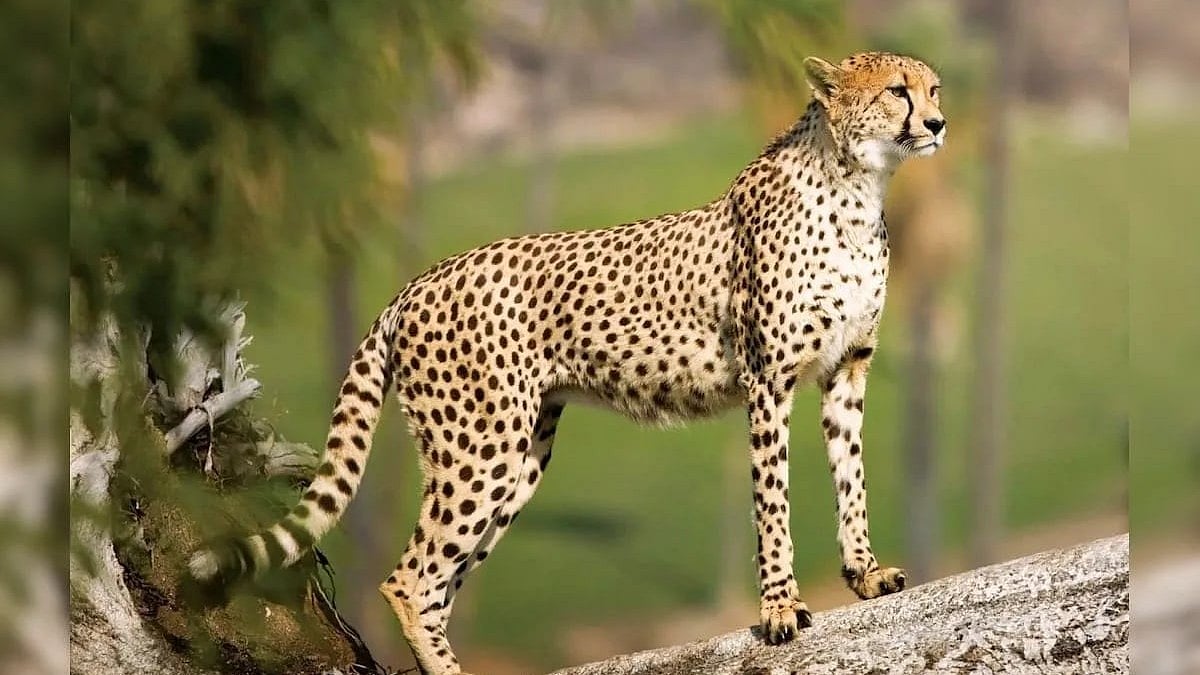
Monsoon weather is making it harder to watch cheetahs at Kuno National Park.
The cheetahs wear collars that send information about where they are.
Heavy rain and thick clouds can slow or interrupt these signals.
This means teams may not always receive the newest location quickly.
Workers also have to drive through wet and difficult ground to find and check the animals.
They must protect radios, computers, vehicles and power supplies from the rain.
Twelve cheetahs live in fenced forest areas, while 18 roam freely across six districts.
Officials say monitoring so many animals continuously is an unusually large conservation effort.

Heavy rainfall and dense cloud cover can delay satellite and radio signals from 30 radio-collared cheetahs.
Communication gaps may leave field teams without the animals’ latest location information.
Rain, wet terrain and difficult driving conditions complicate ground tracking and field verification.
Twelve cheetahs live in fenced natural forest areas, including mothers with cubs, while 18 range freely across six districts.
Officials describe the continuous monitoring operation as extraordinary in scale and intensity.
- Who
- Field teams are monitoring 30 radio-collared cheetahs, including 12 in fenced natural forest areas and 18 free-ranging animals.
- What
- Monsoon conditions are disrupting communications and making continuous cheetah monitoring more difficult.
- Where
- Kuno National Park and a landscape spanning six districts.
- When
- During the monsoon, particularly amid heavy rainfall and dense cloud cover.
- Why
- Rain and clouds can delay satellite and radio data, while wet terrain and equipment challenges hinder tracking and field verification.
Key facts
- Collared cheetahs
- 30 cheetahs are monitored through satellite-cum-radio collars.
- Fenced-area cheetahs
- 12 cheetahs are in fenced natural forest areas, including mothers with cubs.
- Free-ranging cheetahs
- 18 cheetahs move freely across a landscape spanning six districts.
- Main weather problems
- Heavy rainfall and dense cloud cover can delay or interrupt satellite and radio communications.
- Operational challenges
- Teams must protect equipment, maintain vehicles, preserve power and communication, and work in wet terrain.
- Monitoring assessment
- A Kuno National Park official called the operation extraordinary in scale and intensity.
Sources
Related news

Cheetah Nirva Missing From Monitoring System At Kuno Park
Kuno Cheetah Nirva Found After Twelve Days Missing
Missing Female Cheetah Nirva Rescued Near Kuno National Park

Kuno’s Future Cheetahs May Roam Without Radio Collars
Zambia Adopts Kuno’s Cheetah Conservation Model With Soft Release