

1 hr ago
How Coir Is Transforming Rural Livelihoods Across India
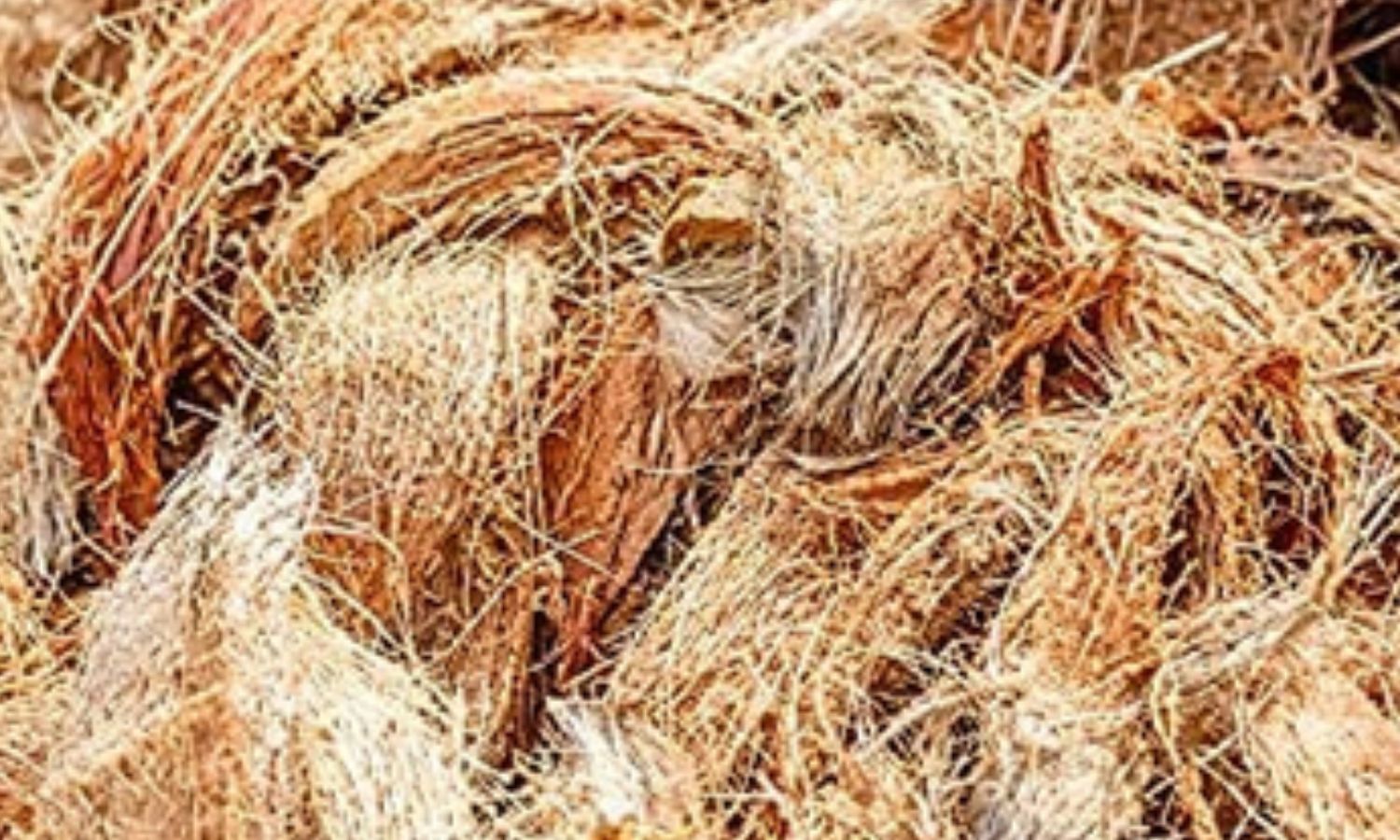
Coir is a useful fibre made from coconut husks.
India makes most of the world’s coir fibre.
Many women earn money by extracting and spinning this fibre.
People use coir to make mats, ropes, decorations, handicrafts and packaging.
Government support helps people start coir businesses.
Allam Gowthamy in Andhra Pradesh trained many women and built a successful coir products company.
P. Surendran in Kerala turns coir waste into fertiliser for farms.
These examples show how coconut waste can create jobs and support rural communities.

India produces more than 80% of the world’s coir fibre, with women comprising nearly 80% of fibre extraction and spinning workers.
Coir supports coconut farmers, workers, artisans, cooperatives, entrepreneurs, manufacturers and exporters across rural India.
Higher-value coir products include mats, ropes, brushes, handicrafts, decorative items and eco-friendly packaging.
In Andhra Pradesh, Allam Gowthamy’s coir enterprise generated about Rs 35 lakh in annual turnover and employed six women.
In Kerala, P. Surendran’s coir-pith bio-fertiliser business sold more than 20 tonnes and generated Rs 13 lakh in turnover in FY 2024–25.
- Who
- Coconut farmers, coir workers, women artisans and entrepreneurs, including Allam Gowthamy and P. Surendran, are involved.
- What
- Coir is being developed into higher-value products and businesses that create employment and rural livelihoods.
- Where
- Across India’s coconut-growing regions, including East Godavari district in Andhra Pradesh and Kozhikode in Kerala.
- When
- Gowthamy established her enterprise in 2024–25; Surendran started his business in November 2024 and reported results for FY 2024–25.
- Why
- Government training, finance and technical support are helping turn coconut fibre and coir waste into sustainable enterprises.
Key facts
- Global production share
- India accounts for more than 80% of global coir fibre production.
- Women’s participation
- Women comprise nearly 80% of workers involved in fibre extraction and spinning.
- Gowthamy’s investment
- Adigo Coir Products had a project cost of Rs 10 lakh, supported by a Rs 6.50 lakh bank loan and PMEGP assistance.
- Gowthamy’s enterprise
- The unit reports around Rs 35 lakh in annual turnover, approximately Rs 10 lakh in profit and six direct employees.
- Training impact
- Gowthamy trained nearly 120 women and inspired around five additional coir units nearby.
- Surendran’s business
- SAFE sold more than 20 tonnes of coir-pith bio-fertiliser, generated Rs 13 lakh in turnover and made Rs 4 lakh profit in FY 2024–25.
- Surendran’s employment
- The Kerala unit employs five workers, including two women.
Sources
Related news

How Coastal Families Found Many Uses for Coconut Palms
Kerala Tribal Women Receive Economic Empowerment Training in Coimbatore

Chhattisgarh Women Turn Azolla Cultivation Into Rural Livelihood Opportunity
Noida Student’s Sutradhar Turns Textile Waste Into Women’s Wages
Rajamahendravaram Proposed as Hub for Puja Product Manufacturing
AP MEPMA, GoMill Partner to Create 500 Women-Led Millet Enterprises
Kerala Leader Meets Malaysian Prime Minister Anwar Ibrahim
Harmony Foundation Criticizes Anwar’s Meeting With Kanthapuram

CPI(M) Extended Meeting Seeks Corrections After Kerala Assembly Poll Defeat
Two Arrested in Noida Over Kerala MDMA Seizure Case
