1 week ago
India's Demographic Shift: From Population Burden to Human Capital

India used to worry that having many people would make it harder to provide food, schools, and jobs.
This fear was strongest after Independence, when the country had limited resources.
Over time, India saw that people can also create value through work, ideas, and businesses.
A young population can help the economy if people receive good healthcare and education.
This possible economic benefit is called a demographic dividend.
But having many young people does not automatically make a country richer.
They also need useful skills and enough good jobs.
India must turn its large population into capable workers while addressing differences between its regions.

India once treated rapid population growth as a threat to scarce resources and development.
Economic reforms and expanding technology and services sectors showed how a skilled population could support growth.
A large population creates benefits only when people are healthy, educated, skilled, and employed.
India's fertility rates have reached replacement levels across most states, reducing fears of a population explosion.
The main challenge is closing capability gaps while managing regional differences in age, fertility, migration, and employment.
- Who
- India, its policymakers, institutions, and working-age population.
- What
- India's view of population has shifted from seeing it as a burden to treating it as potential human capital.
- Where
- Across India, with significant demographic differences between northern, southern, and western states.
- When
- The shift developed after the economic reforms of the 1990s and remains a central issue today.
- Why
- Population benefits the economy only when institutions provide health services, education, skills, and high-value employment.
Key facts
- Earlier policy view
- Population growth was widely seen as straining resources and slowing poverty alleviation.
- Current framing
- India often presents its young population as a potential demographic dividend.
- Key distinction
- Uneducated, unskilled, and unhealthy people create strain, while healthy and skilled workers can drive growth.
- Fertility trend
- Total fertility rates have fallen to replacement levels across most Indian states.
- Main challenge
- India must close capability gaps in healthcare, vocational training, education, and employment.
- Regional pattern
- Southern and western states have lower fertility and older populations, while northern states continue adding younger cohorts.
Sources
Related news

India's Ease of Doing Business: A Mirror for Growth
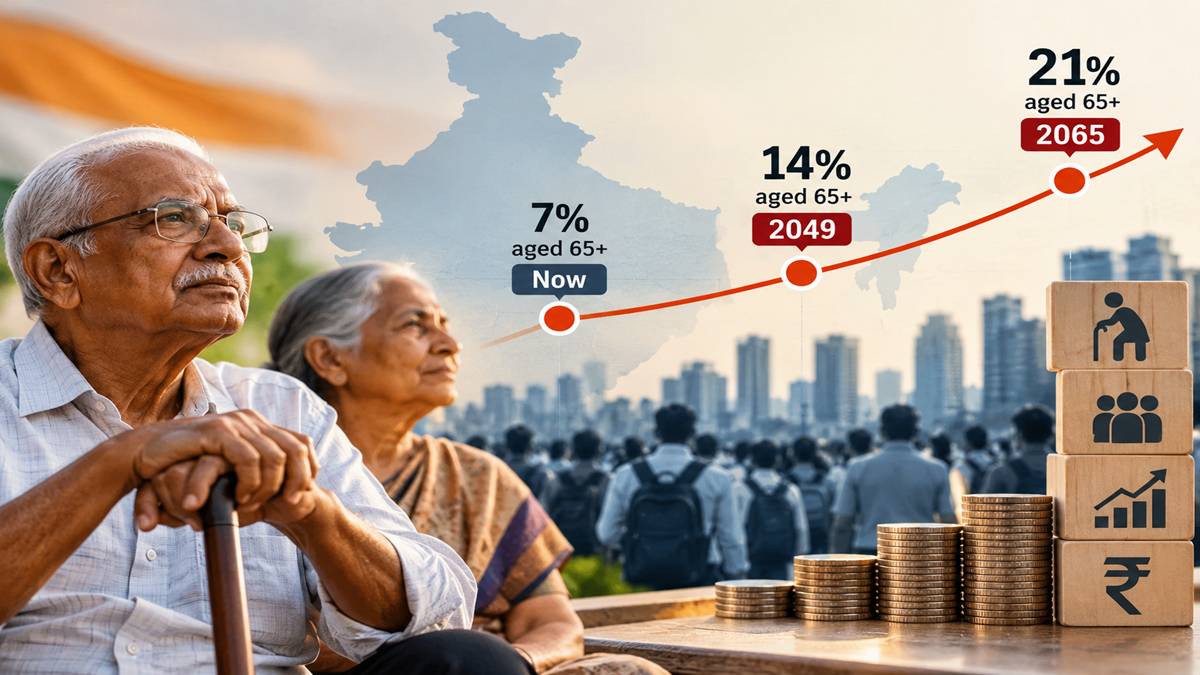
India Faces Rapid Aging Before Becoming a High-Income Economy
India’s GDP Debate Turns Toward Human Flourishing
Modi Highlights India’s 7.8% Growth and Economic Progress
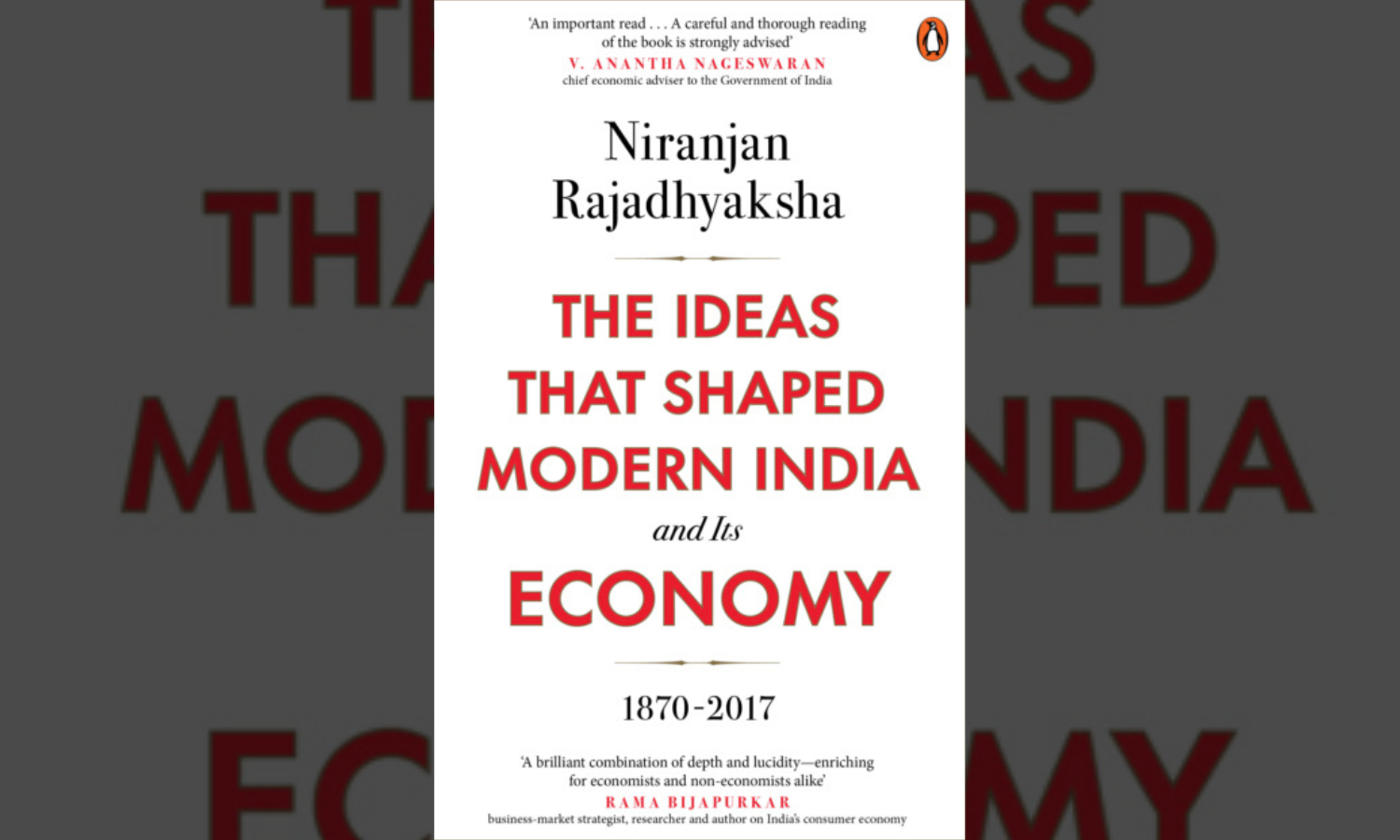
Penguin Random House India Announces Book on India’s Economic Ideas

Blackstone Says India Nears Tipping Point for Foreign Capital

Lovlina Borgohain Wins Asian Games Gold on 29th Birthday

Brent Crude Rises Above $102 Amid US-Iran Supply Fears

India Wins Two Asian Games Golds, Four Remain At Stake

Asian Shares Fall Ahead of US Jobs Data

Kumkum Mohod, Dhiraj Bommadevara Take Asian Games Silver