2 hrs ago
India Faces Rapid Aging Before Becoming a High-Income Economy
India is having fewer babies than it did in the past.
This means the country will eventually have more older people and fewer working-age people.
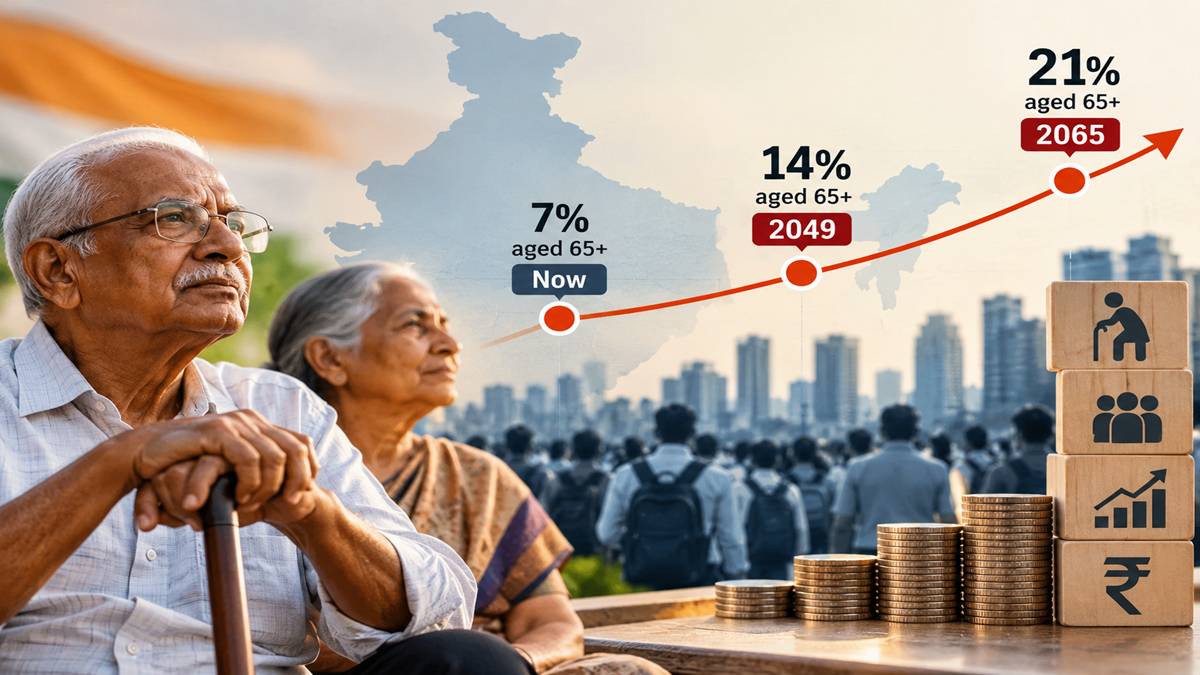
Moody’s Ratings says about 7% of Indians are currently at least 65 years old.
That share could reach 14% by 2049 and 21% by 2065.
Countries with these shares are called ageing, aged and super-aged.
India hopes to become a high-income country by 2047, but it may grow old before it becomes rich.
Fewer workers could make it harder to pay for pensions, healthcare and care for older people.
More women working, people working longer, migration and technology could help.
Policies encouraging families to have more children have generally not created lasting increases in birth rates.

Moody’s Ratings projects that India’s population aged 65 and older will rise from about 7% currently to 14% by 2049.
The share of Indians aged 65 and older could reach 21% by 2065, making India a “super-aged” society.
India’s total fertility rate has fallen to 1.9 children per woman, below the 2.1 replacement level, while annual births have dropped below 23 million.
Rapid aging could increase pressure on labor supply, pensions, healthcare, long-term care, public finances and financial markets before India becomes wealthy.
Higher female labor-force participation, later retirement, migration and technology could partly offset slower population growth, although pronatalist policies have generally had limited success.
- Who
- India and its population, as assessed in a report by Moody’s Ratings.
- What
- India is projected to age rapidly, with the share of people aged 65 and older reaching 14% by 2049 and 21% by 2065.
- Where
- India; the report also compares its trajectory with countries including Indonesia, Brazil, Turkiye, France and Germany.
- When
- India is expected to reach the aged category by 2049 and the super-aged category by 2065.
- Why
- The shift is being driven by falling fertility, with India’s total fertility rate declining to 1.9 children per woman, below the 2.1 replacement level.
Key facts
- Current older population share
- About 7% of India’s population is aged 65 or older.
- Aged threshold
- Countries with 14% of their population aged 65 or older are classified as aged.
- India by 2049
- The 65-and-older population share is projected to reach 14%.
- India by 2065
- The 65-and-older population share is projected to reach 21%, the super-aged threshold.
- Total fertility rate
- India’s fertility rate is 1.9 children per woman, below the 2.1 replacement level.
- Births
- Annual live births fell from about 29 million in 2001 to below 23 million.
- Female labor-force participation
- India’s female labor-force participation rate is 32%, compared with 55% to 57% in Japan, the United States and the United Kingdom.
Sources
Related news
Centre Flags State Fiscal Strains from Ageing, AI, Climate

Australia Warns Ageing Population Will Slow Growth as Births Fall

India's Demographic Shift: From Population Burden to Human Capital

India's Ease of Doing Business: A Mirror for Growth
Births Plunge Across Major Economies, Data Shows Uneven Demographic Decline

India’s Incapacity Law Gap Highlights Need for Estate Planning
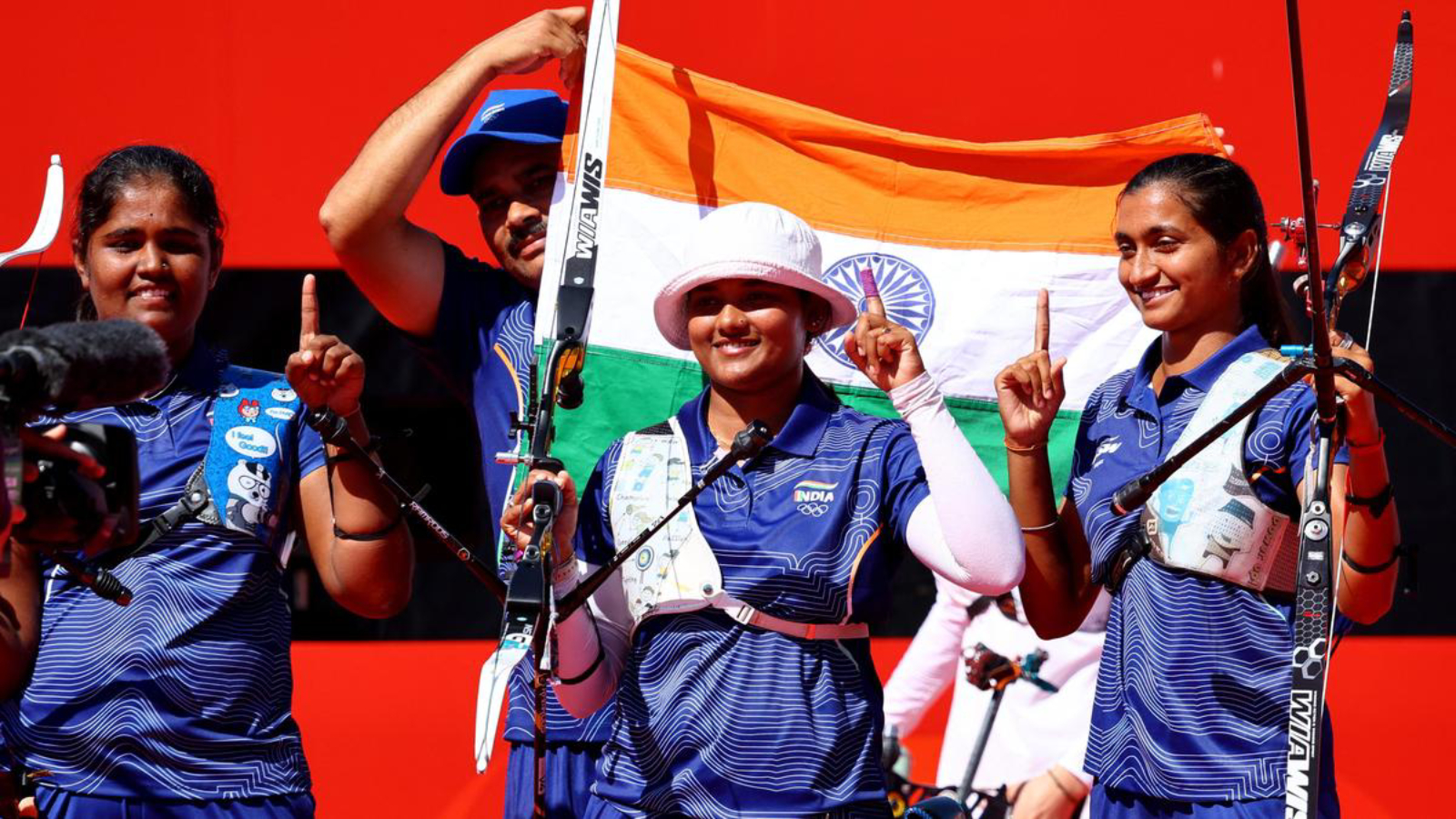
Indian Archers Win Historic Asian Games Recurve Gold

India, Pakistan Set for Asian Games Cricket Gold Medal Final
India Reaches Seventh as Asian Games Medal Tally Updates

Travelers Can Explore Japan Through IRCTC International Tour Packages