2 hrs ago
Supreme Court Reviews EC Decisions as Past Election Rulings Resurface
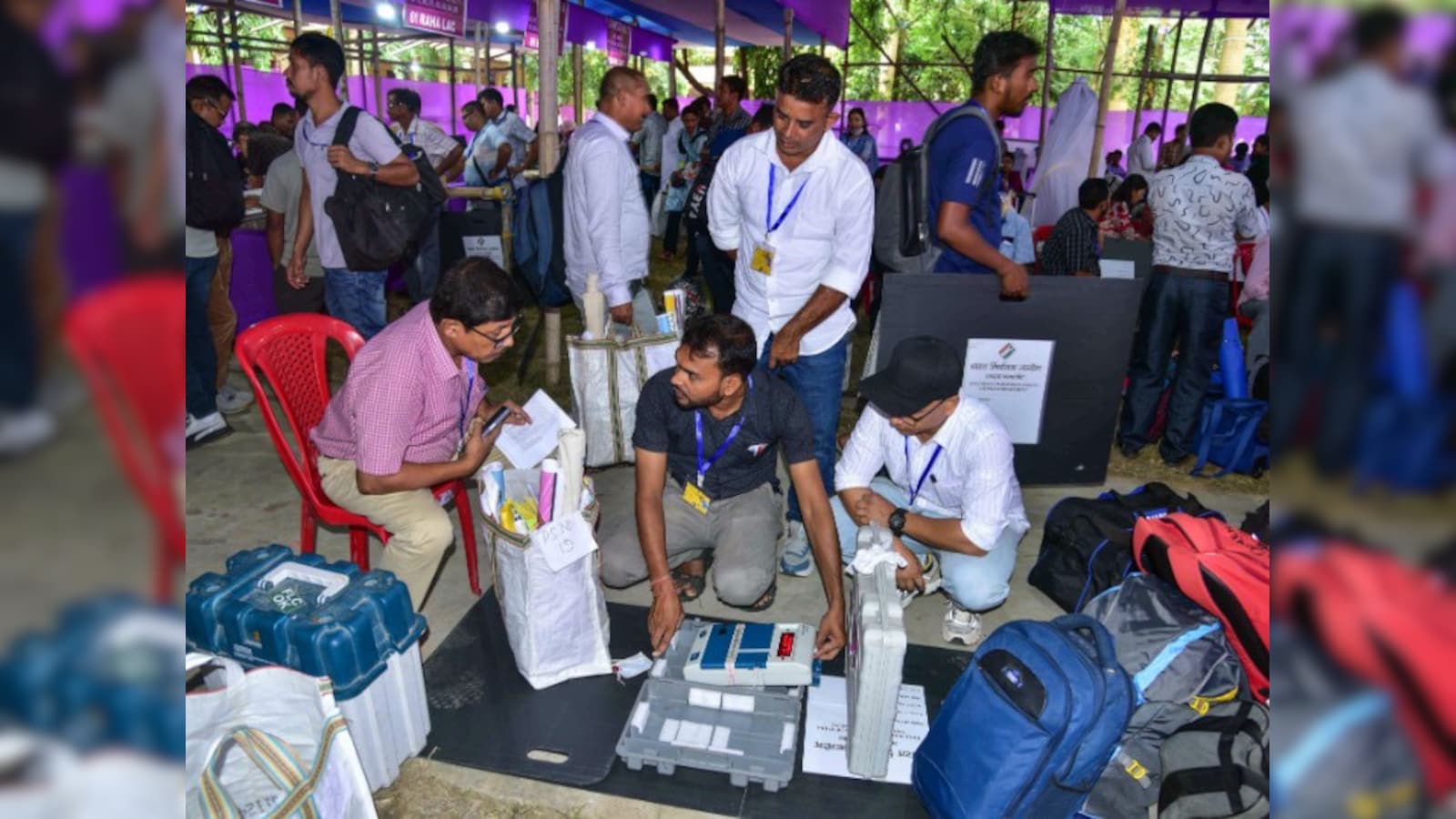
The Supreme Court is looking at complaints about decisions made by India’s Election Commission.
It said it will cancel any decisions that do not follow the law, but it has not stopped the chief election official from making decisions for now.
The judges said they need to hear from the government and the Election Commission before deciding.
The report also describes earlier cases where courts overturned election results.
In some of those cases, the Supreme Court later changed or paused what a lower court had ordered.
The examples include elections in Kerala and the election of former prime minister Indira Gandhi.
These cases show that court decisions about elections can be challenged and reviewed.

The Supreme Court said it will examine Election Commission decisions challenged in petitions and annul any it finds unlawful.
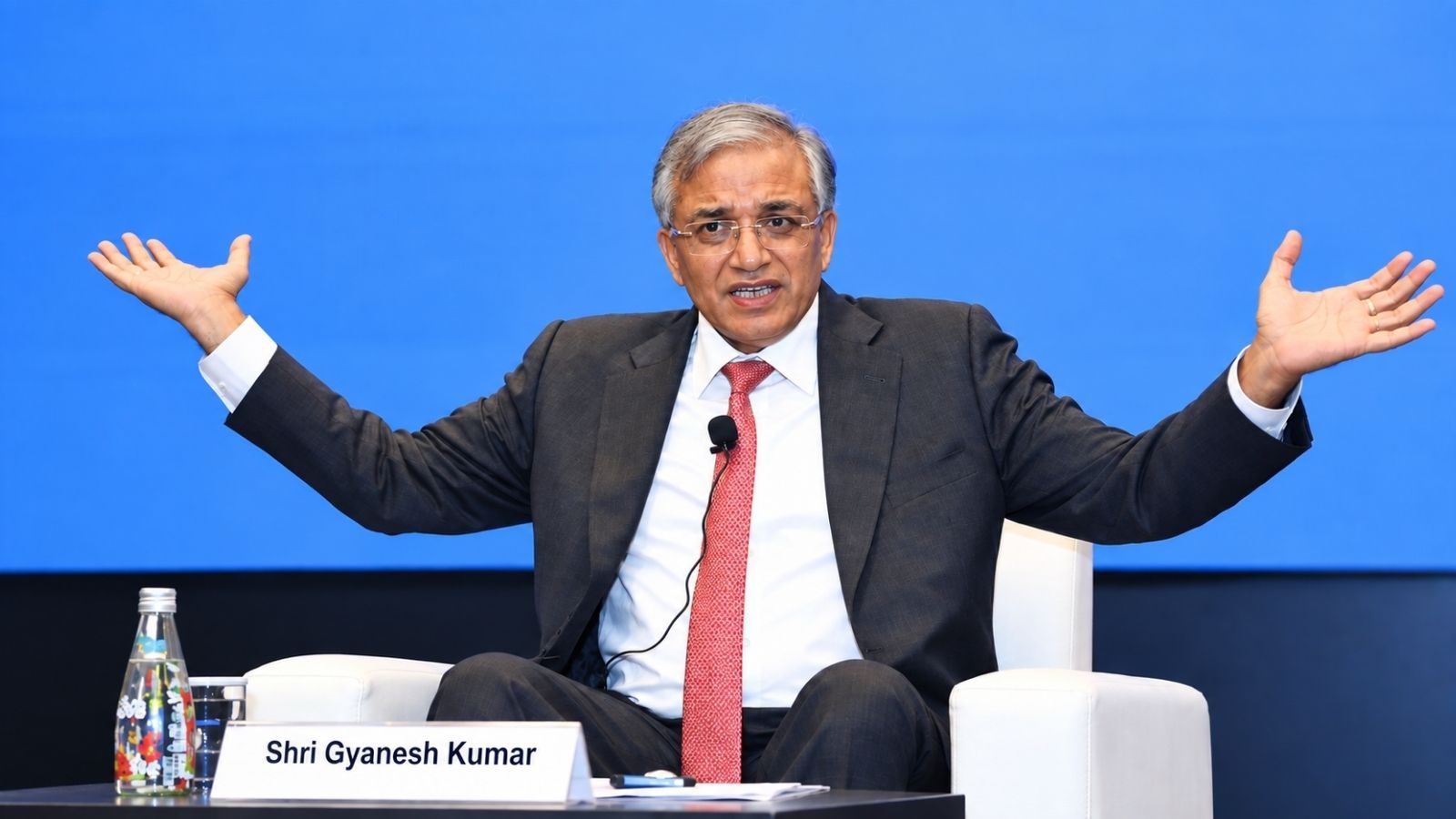
The court issued notices to the Centre and the Election Commission but declined to restrain Chief Election Commissioner Gyanesh Kumar from making decisions while the case proceeds.
The Allahabad High Court set aside Indira Gandhi’s 1971 Raebareli election in 1975; a state of Emergency followed the verdict.
Courts set aside elections in several Kerala cases, though the Supreme Court later ruled for some candidates or stayed lower-court orders.
In 2023, the Madras High Court voided O P Ravindranath Kumar’s 2019 election, but the Supreme Court stayed that decision.
- Who
- The Supreme Court of India, the Election Commission, the Centre, and people who filed petitions challenging election-related decisions.
- What
- The Supreme Court said it will examine challenged Election Commission decisions and annul any found unlawful, while declining to issue an interim restraint on the Chief Election Commissioner.
- Where
- India.
- When
- The Supreme Court made the statement on Monday; the article also recounts election cases from 1975 to 2023.
- Why
- Petitions allege that the Election Commission took decisions without approval from both election commissioners.
Petitioners’ claims
Court’s response and cited legal outcomes
Election Commission decisions
Petitioners’ claims
Petitioners alleged that the Election Commission made several decisions without approval from both election commissioners.
Court’s response and cited legal outcomes
The Supreme Court said it would examine the decisions, but declined to restrain the Chief Election Commissioner based solely on newspaper reports before receiving responses from the Election Commission and the Centre.
Contested election results
Petitioners’ claims
Rivals or voters challenged election victories, alleging matters including misuse of government machinery, unlawful campaigning, use of EVMs without legal authority, corrupt practices, or concealed asset information.
Court’s response and cited legal outcomes
Rulings differed: some elections were set aside, while the Supreme Court later ruled for certain candidates or stayed lower-court orders.
Key facts
- Supreme Court position
- It said it would examine the decisions and annul any not in accordance with law.
- Interim request
- The court declined to stop Chief Election Commissioner Gyanesh Kumar from making decisions while the petition is pending.
- Notices issued to
- The Centre and the Election Commission.
- Indira Gandhi case
- The Allahabad High Court set aside her Raebareli election on June 2, 1975.
- Kerala EVM case
- The Supreme Court set aside N Sivan Pillai’s 1982 election and ordered a ballot-paper re-poll at 50 polling stations.
- KM Shaji case
- The Supreme Court stayed the Kerala High Court’s order disqualifying him; he could remain an MLA without voting rights or daily allowances.
- O P Ravindranath Kumar case
- The Madras High Court voided his 2019 election in July 2023; the Supreme Court stayed that decision.
Quotes
Supreme Court bench
A bench comprising Chief Justice Surya Kant and Justices Joymalya Bagchi and V Mohana
“We will examine all the decisions. If any decision is not in accordance with the law, we will annul it. You know the power of the court.”
 NDTV
NDTV
Sources
Related news
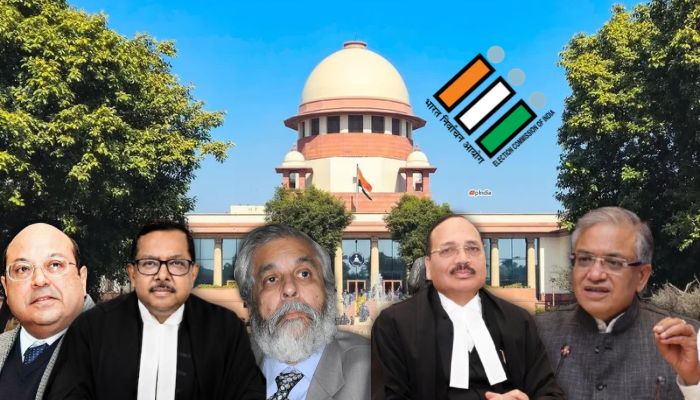
Supreme Court Seeks Replies, Declines to Suspend Election Chief
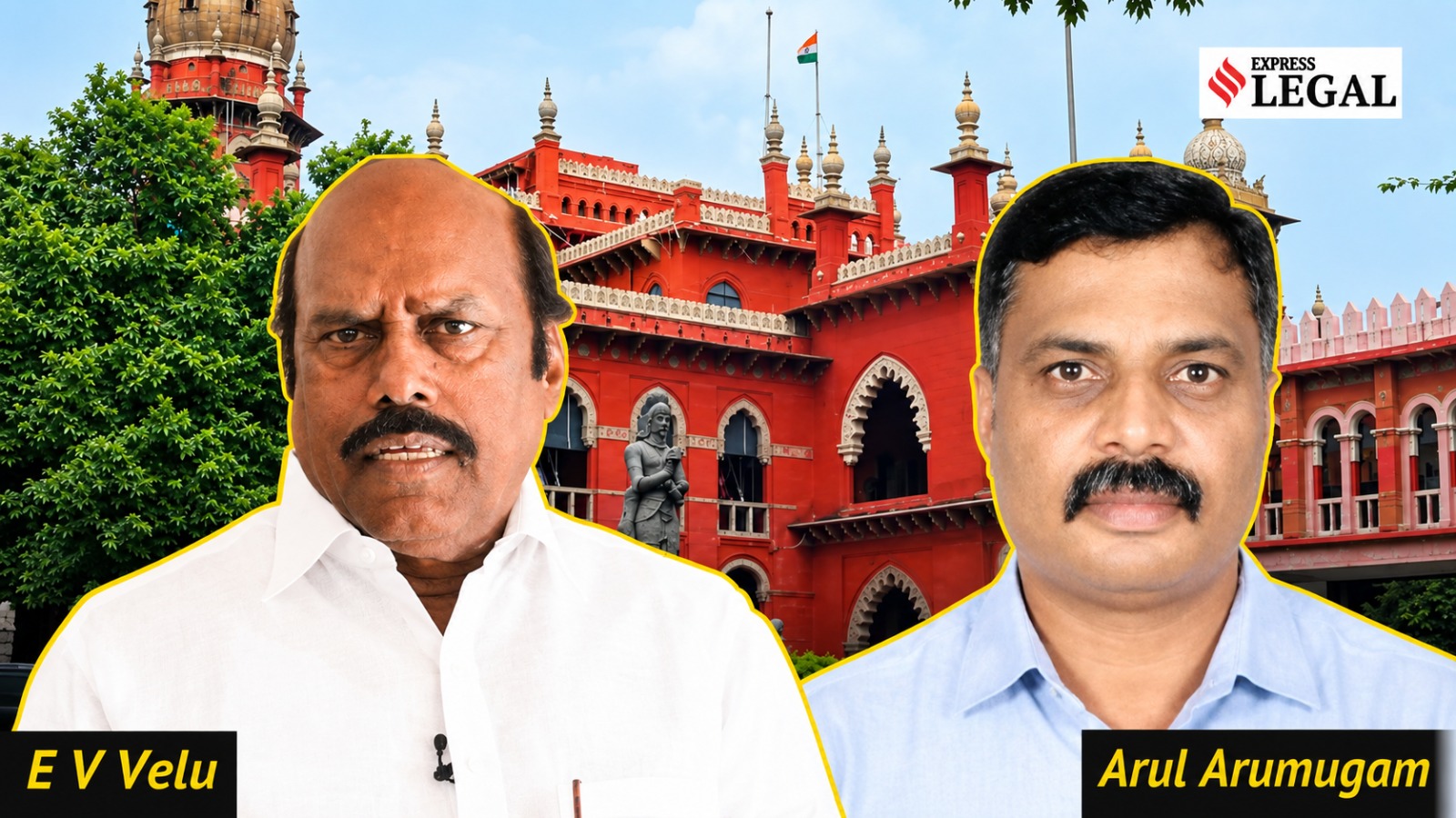
Madras High Court Rejects Challenge to DMK MLA Velu’s Win

Fali Nariman Urges Court Action Over Voter Exclusions
Supreme Court to Hear Two Pleas Against CEC, SIR

Supreme Court Examines CEC Immunity in SIR Petitions