

1 hr ago
Supreme Court Seeks Responses in CEC Decision-Making Dispute
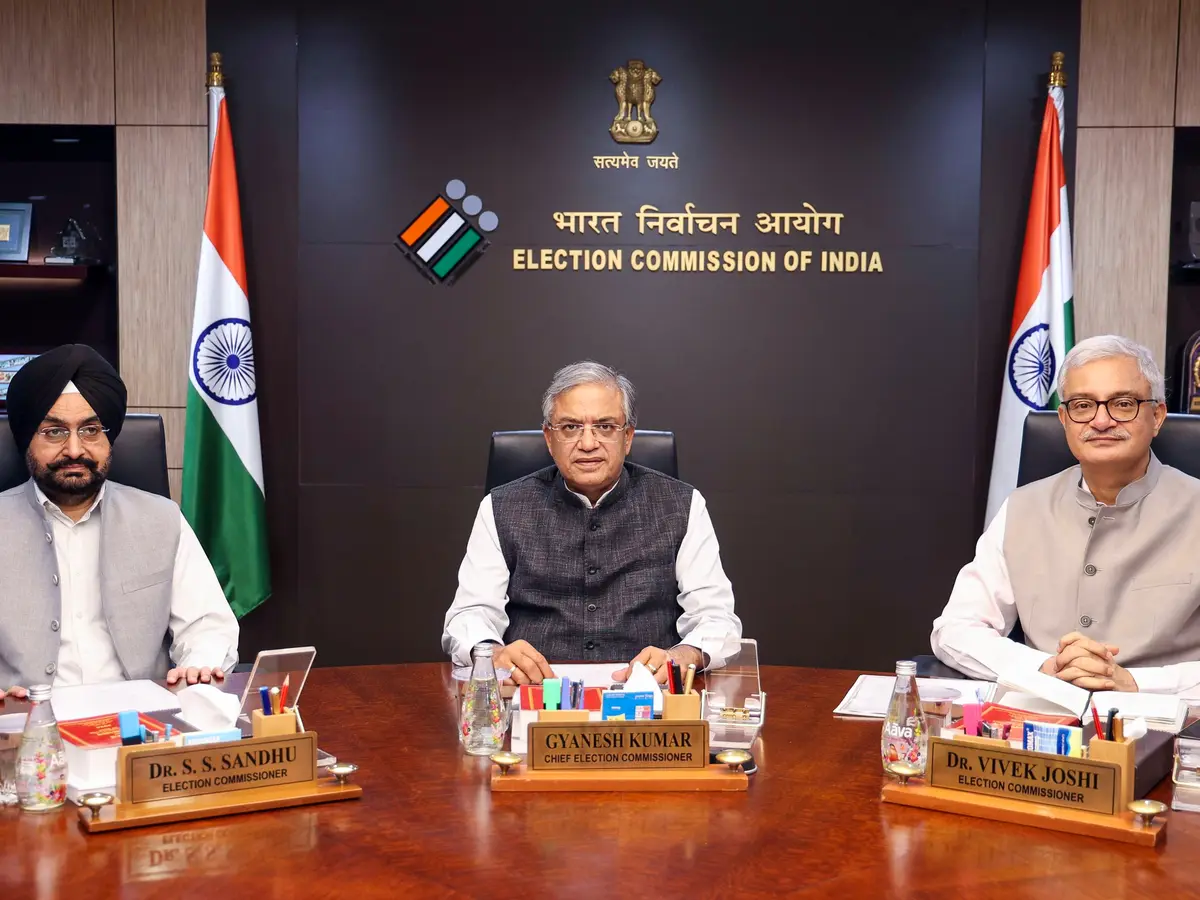
The Supreme Court is examining how decisions are made by India’s Election Commission.
Some petitions say Chief Election Commissioner Gyanesh Kumar made decisions without agreement from the other commissioners.
The claims relate partly to a review of voter lists called the Special Intensive Revision.
The Court did not suspend Kumar while the case is being considered.
Instead, it asked the Election Commission and other respondents to reply.
The judges said they could revisit decisions if the records show they were not made properly.
The Election Commission says the schedule for the voter-list review was agreed unanimously.
It also says questions and differing views during early discussions are normal.

The Supreme Court refused to suspend Chief Election Commissioner Gyanesh Kumar on an interim basis.
A bench led by Chief Justice Surya Kant issued notices to the Election Commission and other respondents over allegations of unilateral decisions.
The petitions concern decisions linked to the Special Intensive Revision of electoral rolls and the Election Commission’s collective decision-making.
The court said it could reconsider or restrain decisions if records show they lacked the required unanimity or majority.
The Election Commission says SIR schedule decisions were unanimous and that draft-stage queries and differing views are part of normal administration.
- Who
- The Supreme Court, Chief Election Commissioner Gyanesh Kumar, the Election Commission of India and other respondents.
- What
- The Court refused interim suspension of Kumar and issued notices on petitions alleging unilateral decision-making.
- Where
- The Supreme Court of India, New Delhi.
- When
- Monday; the articles do not specify a date consistently.
- Why
- The petitions question whether decisions concerning electoral-roll revision followed the collective decision-making process required for the multi-member Election Commission.
Petitioners and critics
Election Commission and response
How decisions were made
Petitioners and critics
The petitions allege that the CEC exercised powers without the other commissioners’ approval, contrary to collective decision-making requirements.
Election Commission and response
The Election Commission says reported queries and differing views arose during draft-stage deliberations and do not establish institutional dissent over final decisions.
SIR decisions
Petitioners and critics
The petitions challenge decisions concerning the electoral-roll revision and seek scrutiny of whether they were properly authorised.
Election Commission and response
The ECI says decisions on the SIR schedule were unanimous.
Kumar’s position
Petitioners and critics
Congress leader Jairam Ramesh and protesters demanded Kumar’s resignation, alleging that he was executing illegal orders.
Election Commission and response
The Court did not order Kumar’s suspension; it sought responses first and said it could revisit decisions if the record warranted.
Key facts
- Interim relief
- The Court refused to suspend Gyanesh Kumar at this stage.
- Bench
- A bench led by Chief Justice of India Surya Kant heard the pleas.
- Subject
- The petitions concern the Election Commission’s decision-making and the Special Intensive Revision of electoral rolls.
- Reported objections
- A report cited by the articles said Election Commissioners Sukhbir Singh Sandhu and Vivek Joshi objected at least 14 times over 10 months.
- Court’s next step
- The Court sought responses from the Election Commission and other respondents; one report says responses were sought within a week.
- Court’s stated possibility
- The Court said it could reconsider or restrain decisions if records show they were not unanimous or otherwise properly made.
- Election Commission’s position
- The ECI said SIR schedule decisions were unanimous and draft-stage queries were part of normal administrative processes.
Quotes
Supreme Court bench
The bench hearing the challenge to Election Commission decisions.
“If records show some decision was not unanimous etc., we will injunct those decisions and say they are ultra-vires. Can we ex-parte come to decision that all decisions were unilateral? We expect them to respond in a clear, transparent manner.”
 livemint.com
“After notice, if they come and the reports show that an Election Commission decision was neither by majority nor by unanimity, they will have to explain those decisions.”
 thequint.com
Chief Justice of India Surya Kant
Chief Justice of India and head of the bench.
“If any process results in disenfranchising millions and millions of Indian citizens, making them second-class citizens in their own country in the sense of being citizens without voting rights, such a process is intrinsically arbitrary. No amount of whataboutery can justify it. It strikes at the very heart of the Constitution.”
 deccanchronicle.com
 republicworld.com
“Here is the bold Justice Ujjal Bhuyan speaking yesterday in NALSAR University in Hyderabad where he exposed the CEC lock, stock and barrel. If he has any sense of shame Gyanesh Kumar must quit right away. His ability to execute G2's illegal orders have now made him a liability for the country.”
deccanchronicle.com
republicworld.com
Sources
SC declines interim order on plea for CEC Gyanesh Kumar’s suspension, seeks EC response

SIR row: Supreme Court refuses to pass interim order on suspending CEC Gyanesh Kumar, issues notices to EC, Centre
Supreme Court refuses ex parte order against CEC, seeks response from Election Commission

SC declines to suspend CEC Gyanesh Kumar, seeks response on poll body decisions
SC Refuses to Pass Interim Order to Suspend Gyanesh Kumar, Seek's ECI's Response
SC Refuses to Pass Interim Order to Suspend CEC Gyanesh Kumar
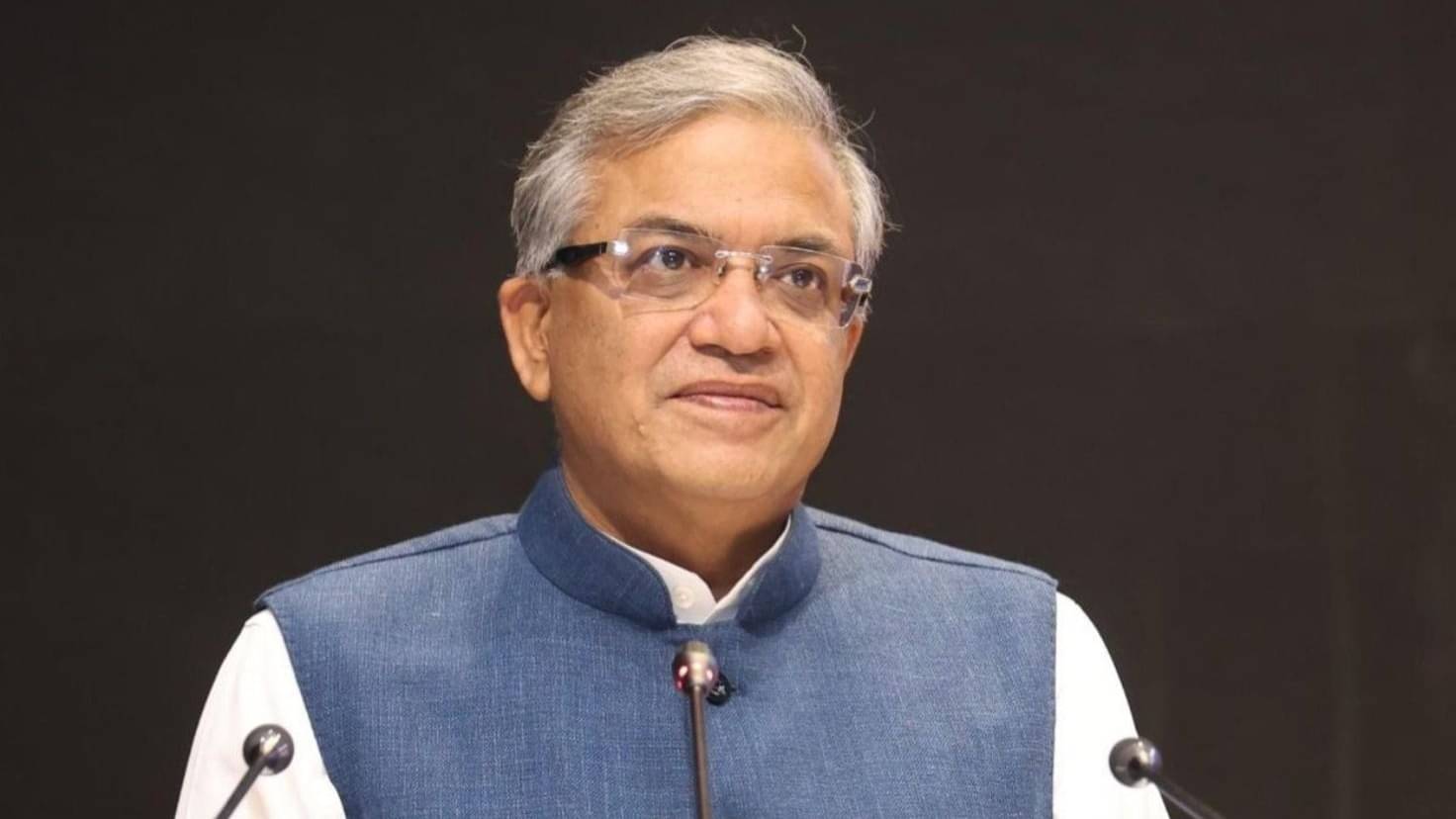
‘If No Unanimity, We’ll Take Decisions Back’: SC Refuses Interim Order To Suspend CEC Gyanesh Kumar
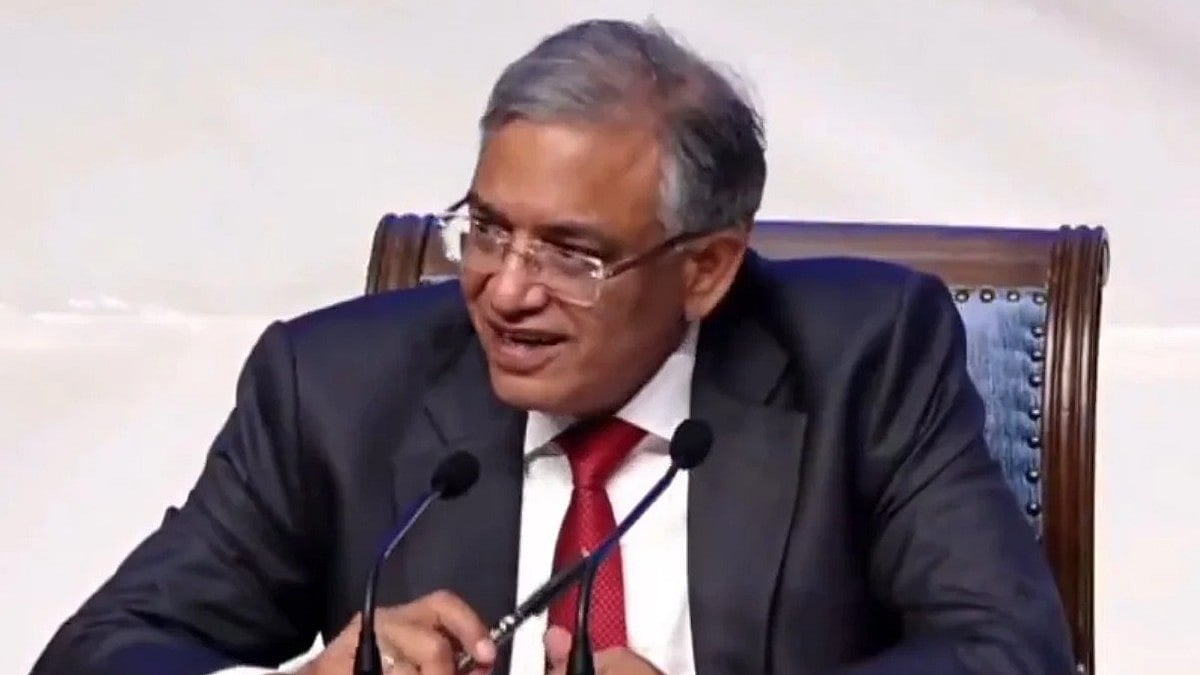
Supreme Court Refuses Interim Order To Suspend CEC Gyanesh Kumar; Issues Notice To ECI, ECs
Related news

Supreme Court to Hear Pleas Challenging CEC’s Unilateral Decisions
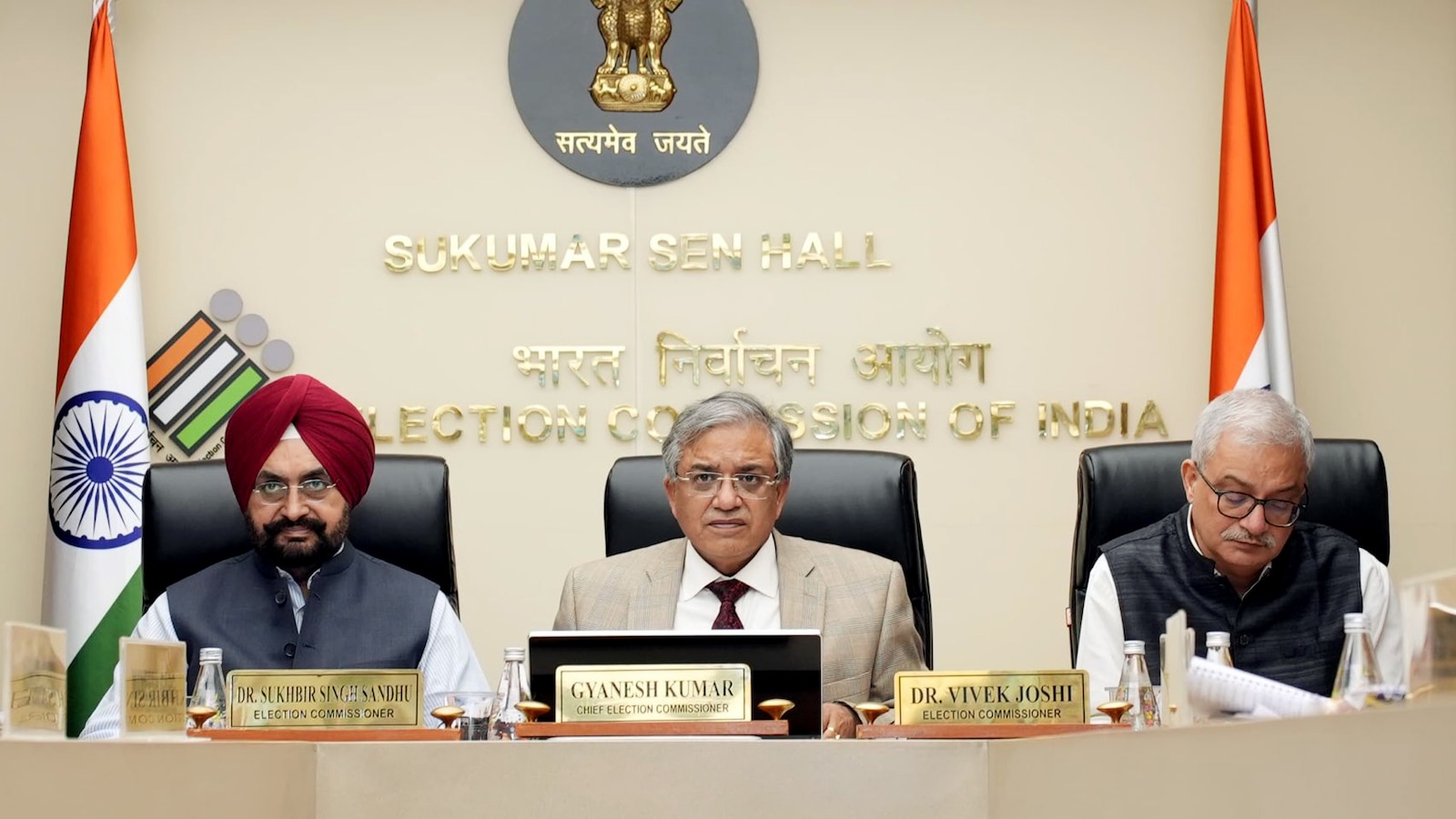
Supreme Court Seeks Replies Over Gyanesh Kumar's Poll Panel Decisions
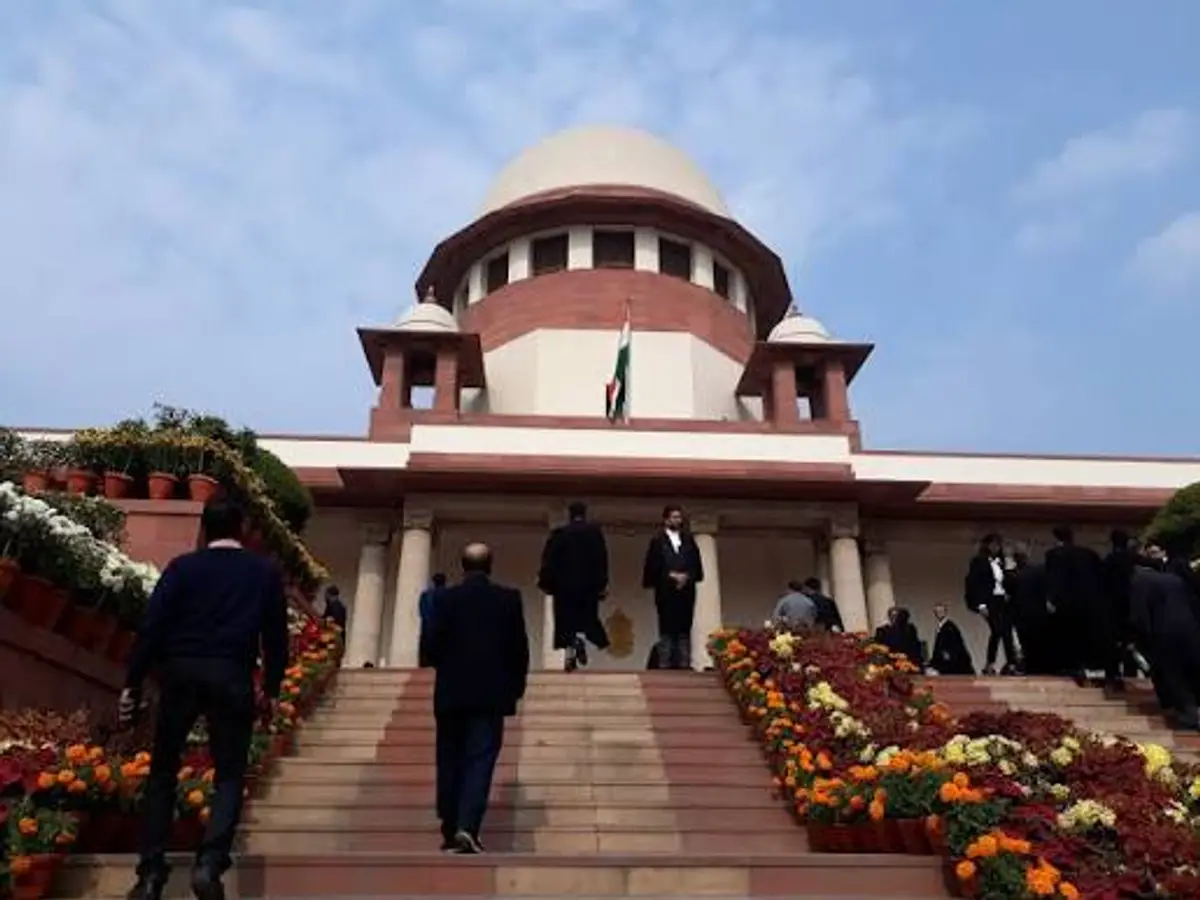
Supreme Court to Hear Challenge to CEC’s ECI Functioning
Supreme Court to Hear Pleas Seeking CEC Kumar’s Suspension

Supreme Court Examines CEC Immunity in SIR Petitions
Supreme Court to Hear Plea on ECI Decision-Making
Supreme Court Seeks Election Commission Response on Decision-Making Allegations
Opposition Unites Against Election Chief, but Congress and CJP Clash
