3 weeks ago
Pacific ministers fail to agree on China missile response

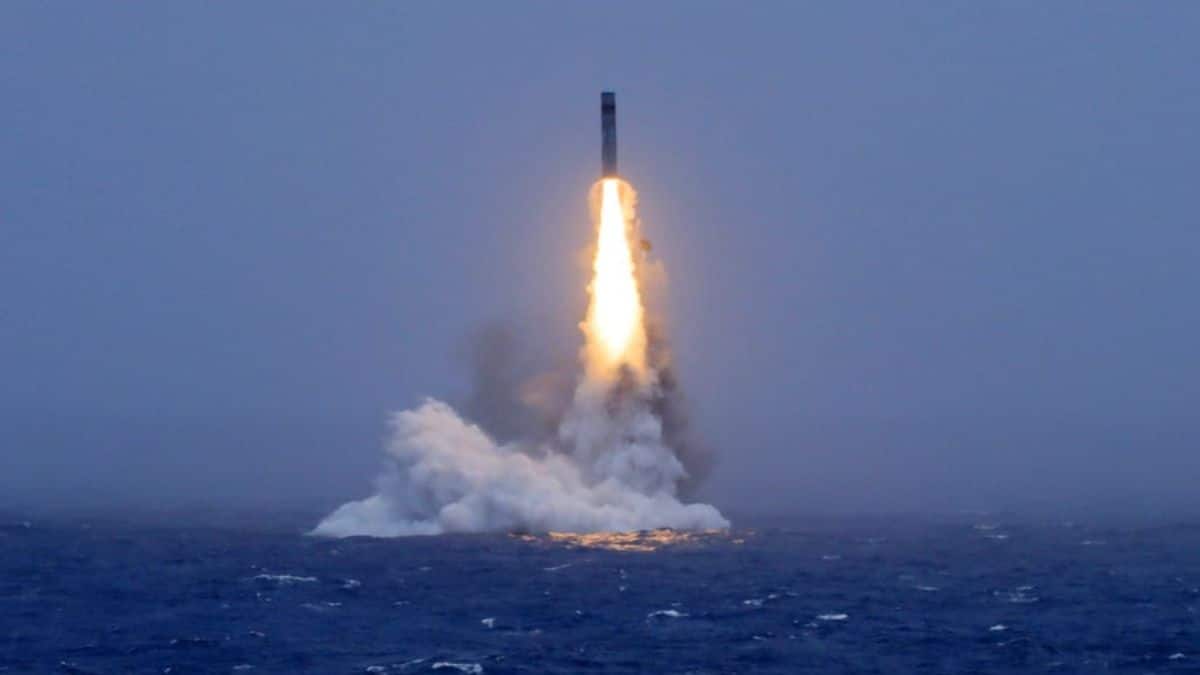
China launched a missile into the Pacific Ocean in July, and many countries were alarmed.
Pacific island leaders met in Suva, Fiji, to decide how to respond together.
But they could not all agree on a shared statement.
Two countries, believed to be Nauru and Kiribati, refused to sign it.
New Zealand's foreign minister said some countries were being influenced from outside the region.
China has been building stronger ties with the Pacific through money, projects, and security help.
Australia, New Zealand, and the United States are worried about China's growing influence.
Some leaders want the Pacific to decide its own future without outside pressure.
Last year, leaders agreed on an Ocean of Peace declaration to keep the region calm.
They will discuss the issue again at a leaders' meeting at the end of August.

Pacific Island foreign ministers failed to agree on Friday, August 7, on a joint response to China's missile launch in July during the Pacific Islands Forum meeting in Suva, Fiji.
New Zealand Foreign Minister Winston Peters said two members refused to sign the statement; an official with knowledge of the discussions said they were Nauru and Kiribati.
China has expanded its influence in the Pacific through infrastructure financing, diplomatic outreach and security cooperation, alarming traditional partners including Australia, New Zealand and the United States.
Further discussions are expected at the Pacific leaders meeting at the end of August.
Meeting chair Rick Houenipwela, the Solomon Islands' foreign minister, urged regional solidarity, saying the Pacific's agenda must be "conceived by the Pacific, shaped by the Pacific and only by the Pacific."
- Who
- Foreign ministers and senior officials from the 18 countries represented at the Pacific Islands Forum meeting, including New Zealand Foreign Minister Winston Peters and Solomon Islands Foreign Minister Rick Houenipwela, the meeting's chair.
- What
- They failed to agree on a joint response to China's test-firing of a missile into the Pacific in July.
- Where
- Suva, Fiji, at the Pacific Islands Forum meeting.
- When
- Friday, August 7; China's missile launch occurred in July.
- Why
- Divisions over how to confront growing strategic competition in the region; two members, reportedly Nauru and Kiribati, refused to sign the joint statement.
Supporters of a joint response
Holdouts and outside influence
Unified response to China's missile test
Supporters of a joint response
Concerned regional powers argue the missile test demands a joint statement to preserve peace and show unity amid China's expanding influence in the Pacific.
Holdouts and outside influence
Two unnamed members, reportedly Nauru and Kiribati, refused to sign the statement, leaving the forum without a unified response.
Outside influence on Pacific decisions
Supporters of a joint response
The Pacific's agenda must be "conceived by the Pacific, shaped by the Pacific and only by the Pacific," with regional solidarity and strong consensus, according to meeting chair Rick Houenipwela.
Holdouts and outside influence
New Zealand Foreign Minister Winston Peters said some countries were being influenced by those outside the region, though he declined to name who he believed was doing the influencing.
Key facts
- Event
- Pacific Islands Forum foreign ministers meeting on a joint response to China's missile test
- Location
- Suva, Fiji
- Date
- August 7
- Countries represented
- 18
- Missile launch
- China test-fired a missile into the Pacific in July
- Refused to sign
- Two unidentified members (reportedly Nauru and Kiribati)
- Next step
- Pacific leaders meeting at the end of August
- Previous declaration
- Ocean of Peace declaration backed by Pacific leaders last year
Quotes

Winston Peters
New Zealand Foreign Minister
“"The Pacific is a blue continent, peaceful, secure and that our job as the temporary servants serving these people is to make sure it stays that way."”
 theprint.in
Sources
Related news
China missile test pressures Pacific 'Ocean of Peace' vision
China Warns of Consequences Over Taiwan at Pacific Forum
Taiwan Foreign Minister Joins Pacific Summit Events in Palau
Pacific Islands Forum Opens in Palau Amid Leadership Absences
Pacific Leaders Convene in Palau Amid Crime and Tensions
US and Australia Commit $580 Million for Pacific Islands

India Replaces Sri Lanka as 2027 Women’s Champions Trophy Host

Mitsubishi Revives Pajero With 201PS Fifth-Generation SUV
IIM-Born CEO Says Australia’s Everyday Life Runs on Trust

UN Report Says 1.5°C Overshoot, Return Remains Possible

Uday Kotak Warns Global Bond Markets Face Roller-Coaster Volatility