3 hrs ago
US Green Card Freeze Raises Risks for India’s IT Exports
The United States has paused a process that some technology companies use to help foreign workers get green cards.
Four Indian IT companies are among the eight firms affected.
The pause does not stop those companies from hiring workers through the separate H-1B process.
It may make it harder for some employees to plan to stay permanently in the United States.
A trade research group says this matters to India because the US buys more than half of India’s software and IT services exports.
Many of those services are already done by teams working in India, which may soften the impact.
Companies might also move more technology work to their centres in India.

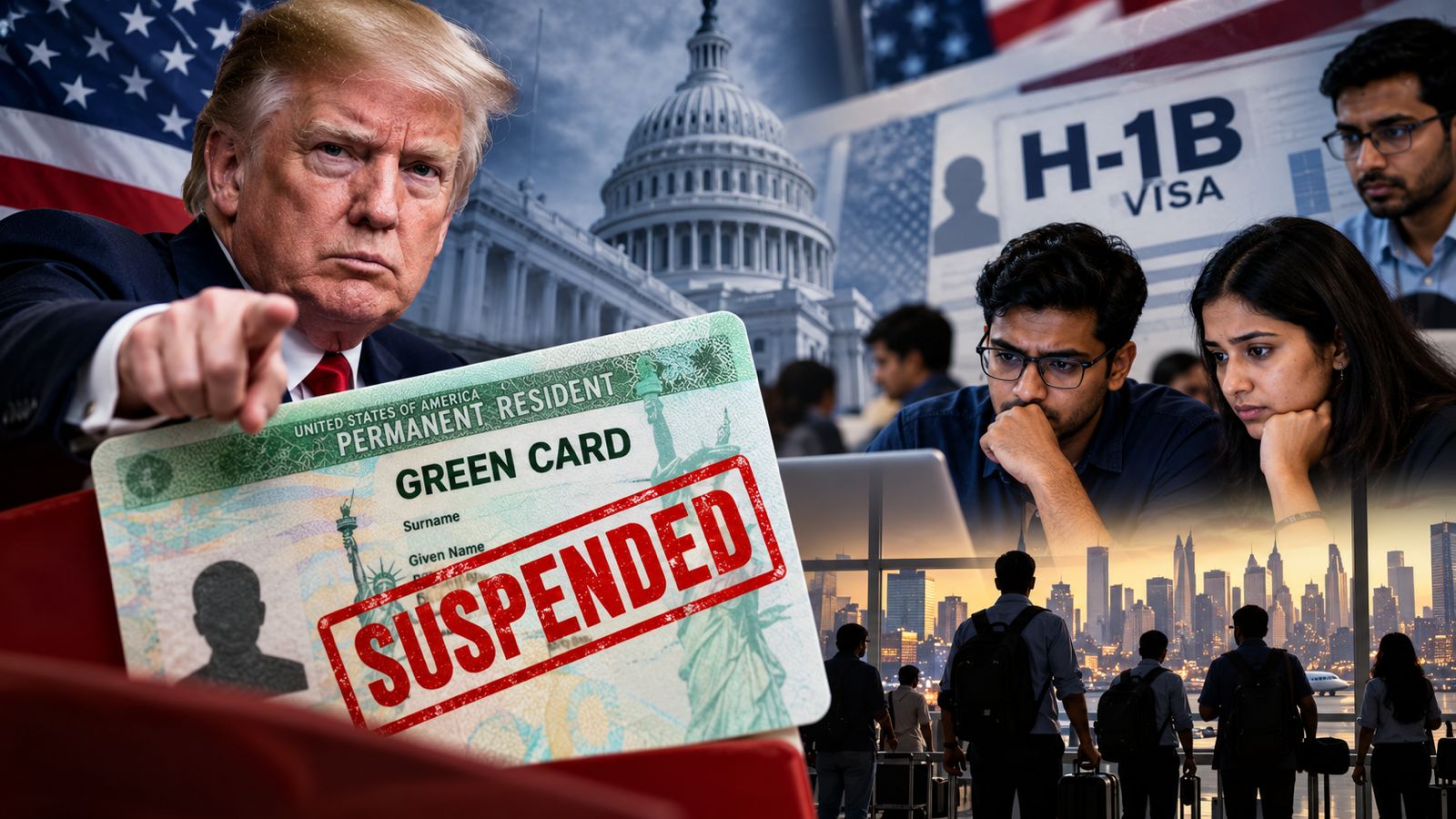
The US suspended eight technology companies from the PERM green-card sponsorship programme on October 8, freezing pending applications and blocking new ones.
The companies include Indian firms Tata Consultancy Services, Infosys, Wipro and HCLTech, as well as Microsoft, Adobe, Cognizant and Capgemini.
The order applies to PERM and does not itself stop H-1B hiring, cancel current H-1B status or close every route to a green card.
GTRI said the US receives 54.1% of India’s software and IT-enabled services exports, making possible wider restrictions a significant risk.
GTRI said India-based delivery may limit disruption, while the freeze could also encourage companies to expand work at Indian Global Capability Centres.
- Who
- The US suspended eight technology companies from the PERM programme; four are Indian IT firms.
- What
- The suspension freezes pending PERM applications and blocks new ones for the named companies.
- Where
- The measure is in the United States and affects companies’ US operations and employees seeking permanent residency.
- When
- The US action was announced on October 8; GTRI commented on Friday.
- Why
- The US said the practice had shut Americans out of the job market.
Potential impact
Limits and possible benefits
Effect on Indian IT firms and workers
Potential impact
GTRI said the freeze makes permanent-residency plans less certain and could complicate long-term US staffing.
Limits and possible benefits
GTRI said it does not itself stop H-1B hiring, and India-based delivery may limit disruption to client projects.
India’s exposure to US policy
Potential impact
GTRI warned that the US market’s 54.1% share of India’s software and IT-enabled services exports leaves India exposed to possible broader restrictions.
Limits and possible benefits
GTRI recommended diversifying export markets, expanding delivery from India and developing higher-value technology work; it also said the freeze could encourage growth in Indian Global Capability Centres.
Key facts
- Companies affected
- Tata Consultancy Services, Infosys, Wipro, HCLTech, Microsoft, Adobe, Cognizant and Capgemini
- Programme
- Permanent Labour Certification Programme (PERM), a labour certification step used in some employer-sponsored green-card applications
- H-1B status
- The order does not itself ban H-1B applications or cancel existing H-1B status
- US share of Indian exports
- 54.1% of India’s software and IT-enabled services exports
- India’s exports in 2025-26
- USD 221.4 billion in software and IT-enabled services exports
- US export value
- USD 119.7 billion in Indian software and IT-enabled services exports
- Delivery split
- Globally, 91.7% of these exports were delivered from India and 8.3% through overseas client-site work; GTRI applied this worldwide split to estimate US delivery
Quotes

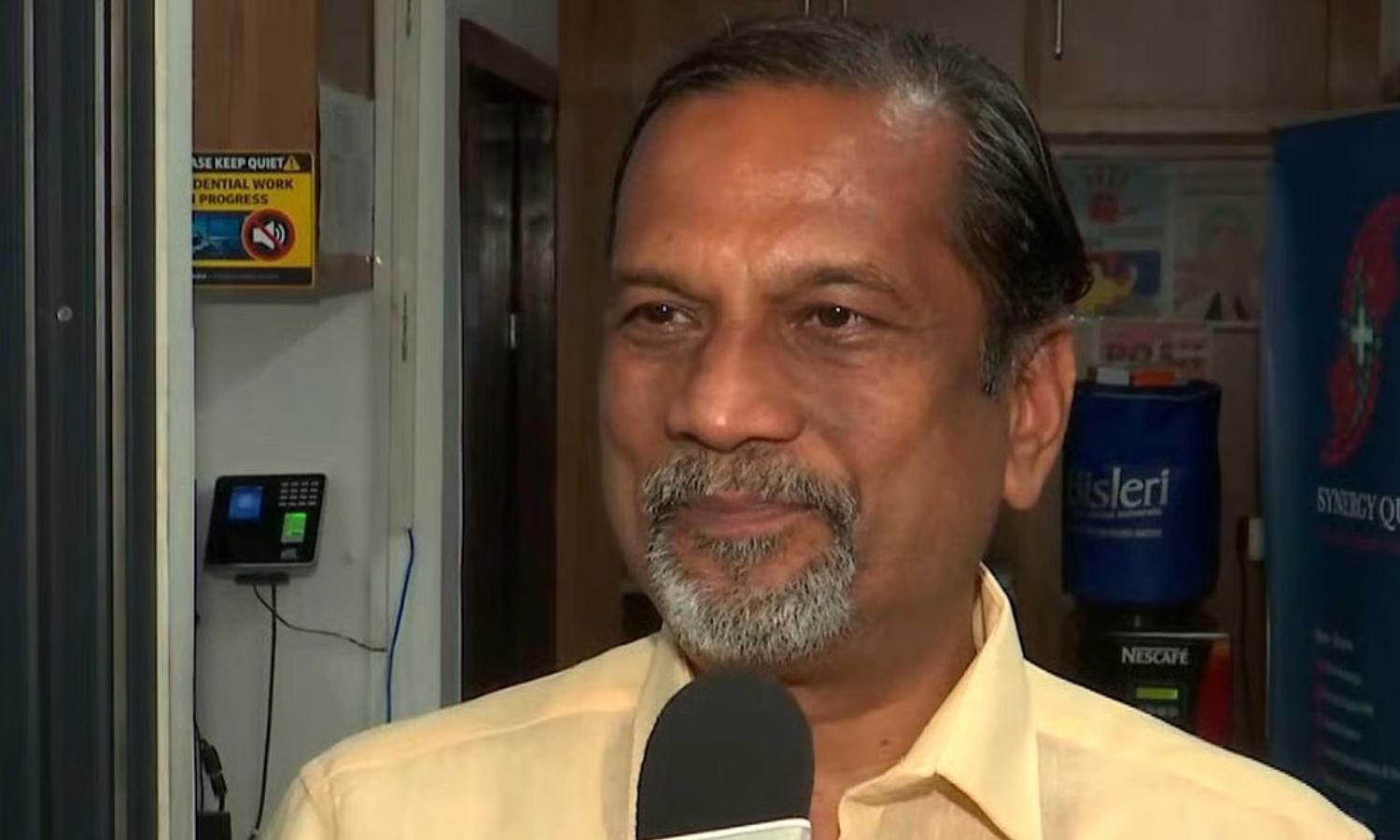
Ajay Srivastava
Founder of the Global Trade Research Initiative (GTRI).
“The measure signals a more protectionist US approach to foreign technology workers...Indian firms should widen their export markets, strengthen delivery from India and expand local hiring where needed. India should also support AI and higher-value technology work to reduce its vulnerability to sudden US policy changes.”
 deccanchronicle.com
“It does not itself ban H-1B applications, cancel existing H-1B status or block every green card route. These companies can continue applying for H-1B workers under the usual rules. H-1B applications follow a separate process involving a Labour Condition Application (LCA).”
deccanchronicle.com
Sources
Related news
US Green-Card Freeze Warns India’s IT Industry of Wider Curbs
US Green Card Freeze Prompts Indian IT Firms to Reassess Hiring

Could Green-Card Restrictions Shift American Jobs to India?
US Green Card Programme Suspension Could Shift Tech Work to India

US Green Card Suspension Puts Indian IT Stocks in Focus

US Suspends Eight Tech Firms From Green-Card Certification Program

Trump Administration Suspends Eight Firms From PERM Green-Card Program
US Suspends PERM Access for Eight Tech Companies
India Criticizes US Suspension of IT Firms from Green Card Programme
Fact Check: Indian Markets Did Not Collapse After US IT Curbs