

1 week ago
Aurat March Suppression Exposes Pakistan’s Shrinking Civic Space
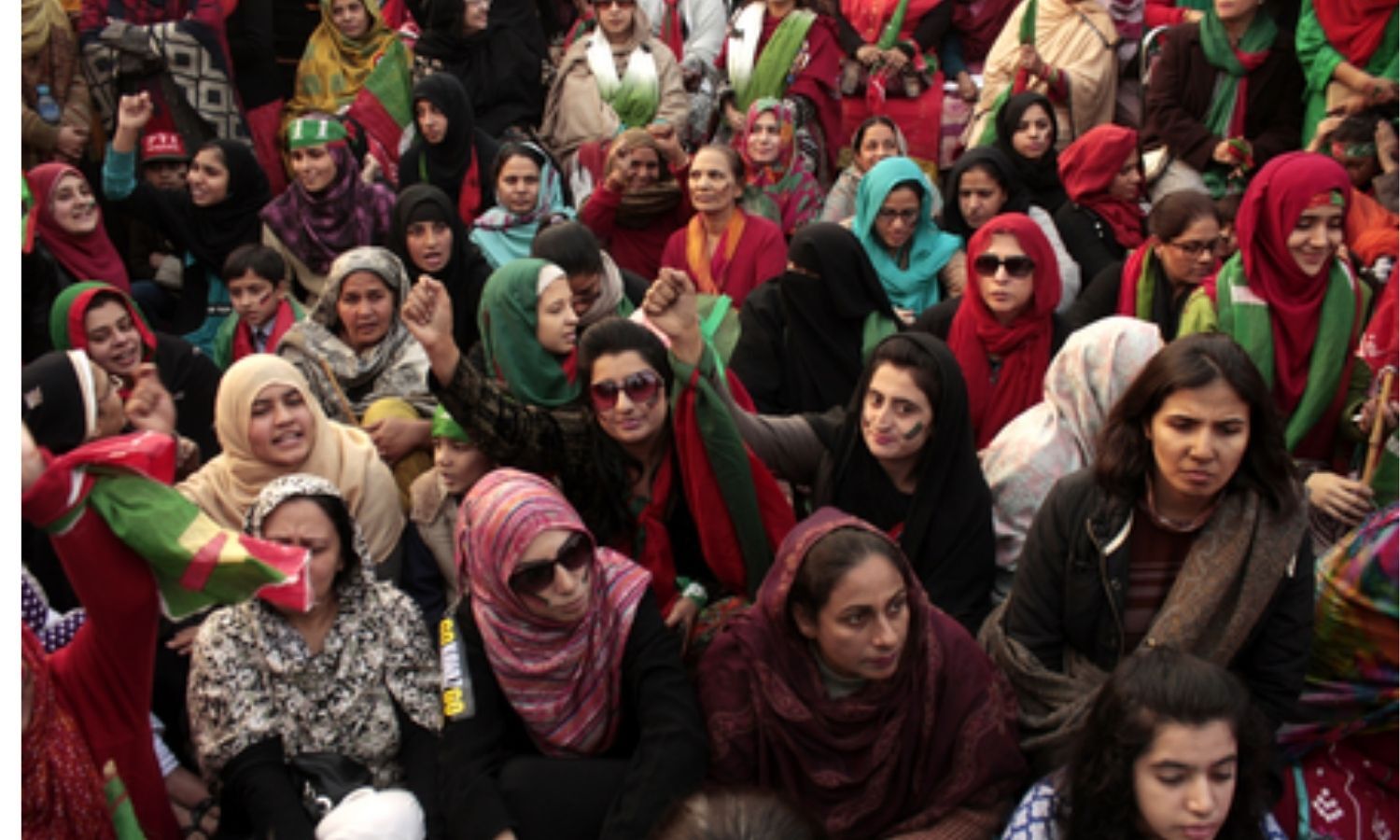
Aurat March is a peaceful event in Pakistan that supports women’s rights.
Police detained activist Sheema Kermani when she tried to seek permission for the event.
Other organisers and volunteers were also detained outside the Karachi Press Club.
The police said Kermani was held for only a couple of hours.
Rights groups say stopping a press conference shows that peaceful disagreement is being treated as a problem.
Women activists say they face threats, harassment and difficulties getting permission for rallies.
The report says deep-rooted patriarchy and religious influence help explain these restrictions.
It also says women are demanding rights involving inheritance, safety, reproductive choices and public spaces.
The movement continues to gain attention despite attempts to suppress it.

Police detained 75-year-old activist Sheema Kermani while she sought permission for the Aurat March.
Aurat March organisers and volunteers were detained outside the Karachi Press Club in May.
The Human Rights Commission of Pakistan condemned the detentions as part of a broader denial of public space.
Activists report facing online threats, disinformation, legal complaints, bureaucratic obstacles and physical attacks.
The report links restrictions on women’s activism to patriarchy, religion and shrinking freedom of expression in Pakistan.
- Who
- Aurat March organisers, women’s rights activists, Sheema Kermani, Pakistani police and the Human Rights Commission of Pakistan.
- What
- Authorities detained activists and organisers connected with Aurat March activities, including a planned press conference.
- Where
- Pakistan, including outside the Karachi Press Club.
- When
- Earlier this year; the Human Rights Commission of Pakistan reported the organisers’ detention in May.
- Why
- Police cited law and order, while rights groups and the report attributed the restrictions to shrinking civic space, patriarchy and institutional repression of dissent.
Rights groups and women activists
Police and government authorities
Detention of activists
Rights groups and women activists
Rights groups say detaining Aurat March organisers and preventing their press conference reflects an increasingly repressive approach to governance and violates constitutionally guaranteed freedoms of assembly and expression.
Police and government authorities
Police said Sheema Kermani was detained for only a couple of hours and justified the action on law-and-order grounds.
Role of dissent
Rights groups and women activists
The Human Rights Commission of Pakistan says dissent should be treated as a democratic necessity, not a threat, and that citizens must have public space to express their rights.
Police and government authorities
Authorities’ actions, as described in the reports, prioritised preventing gatherings and press activity that they viewed as raising law-and-order concerns.
Reasons for restrictions
Rights groups and women activists
The report and activists connect restrictions to patriarchy, religious influence and male-dominated bureaucratic, political and security institutions.
Police and government authorities
The authorities’ stated justification was maintaining law and order; the reports do not provide a detailed official response addressing the broader allegations.
Key facts
- Event
- Aurat March is described as an annual peaceful event focused on feminism and women’s rights in Pakistan.
- Activist detained
- Sheema Kermani, a 75-year-old artist and women’s rights campaigner.
- Police explanation
- Police said Kermani was detained for a couple of hours in the name of maintaining law and order.
- May detention
- Aurat March organisers and volunteers were detained outside the Karachi Press Club while preparing for a press conference.
- Rights-group response
- The Human Rights Commission of Pakistan condemned the detentions and called them part of a broader denial of public space.
- Reported forms of harassment
- Activists cited online threats, harassment, disinformation, legal complaints, bureaucratic barriers and physical attacks.
- Issues raised by activists
- The movement seeks equal inheritance rights, protection from domestic violence, reproductive autonomy and unrestricted access to public spaces.
Quotes

Human Rights Commission of Pakistan
Pakistan’s national human rights body
“HRCP strongly condemns the arrest of several organisers and volunteers of Aurat March from outside the Karachi Press Club, where they were scheduled to address a press conference. This incident is not isolated overreach but rather part of a broader and deeply troubling pattern: the systematic denial of public space to citizens seeking to articulate their rights.”
 thehansindia.com
“The rights to peaceful assembly and freedom of expression are constitutionally guaranteed. Preventing citizens, particularly women and marginalised groups, from even convening a press conference reflects an increasingly repressive approach to governance, where dissent is treated as a threat rather than a democratic necessity”
thehansindia.com
European Times report
A report cited by the article discussing repression of women’s rights activism in Pakistan
“If Pakistan’s one of the most respected artists and women’s rights campaigners was subjected to such ill-treatment, one can just imagine the plight of women activists and protesters in the country. In the name of maintaining law and order, the Pakistani agencies stooped to the level of preventing Kermani from holding a press conference”
thehansindia.com
Sources
Related news
Report Warns Western Support Enables Misogyny Across Pakistan
Amnesty Urges Pakistan to Release Detained Kashmir Journalist

SAD, Congress Protest Allegations Against Punjab CM’s Wife
Pakistan Rights Body Questions Force and PoK Election Credibility

Pakistan's Reported Gender-Based Violence Cases Expose Gaps in Protection
Pakistan’s Punjab Assembly Approves Secret Terror Trial Law
Pakistan Rights Body Questions PoK Polls, Condemns Protest Force
Zardari's 'tolerate 4% Hindus' comment draws minority rights scrutiny
