2 hrs ago
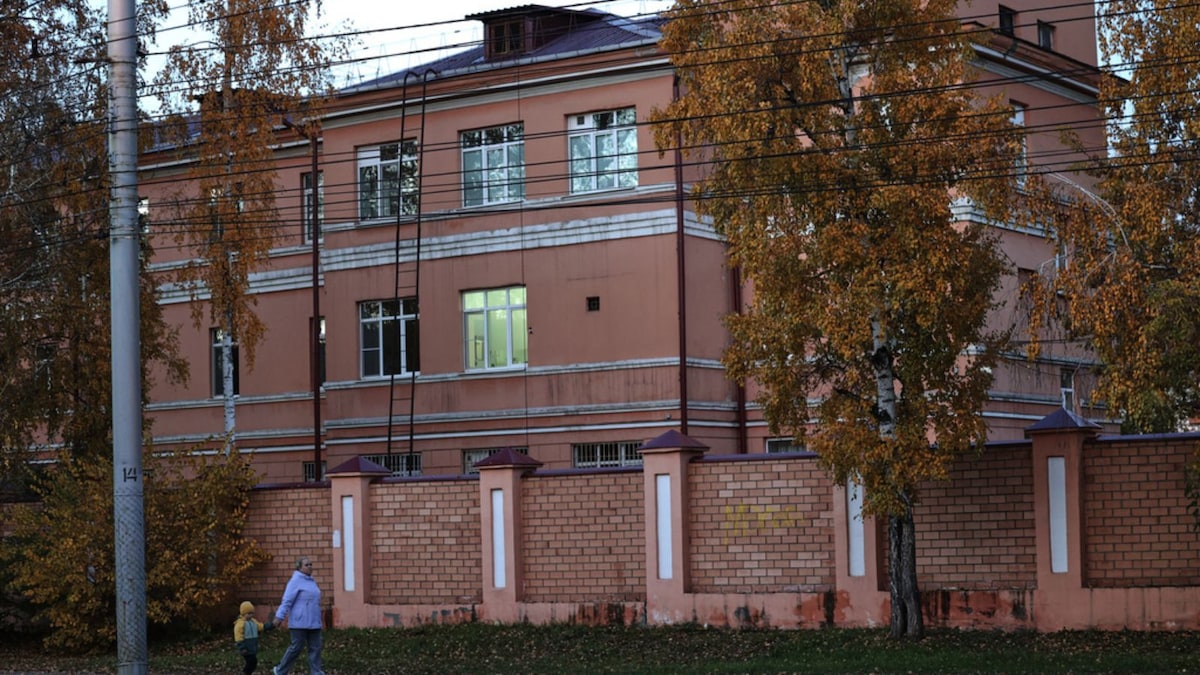
Russia Rules Out Epidemic Risk After Siberian Lab Worker Dies

A worker at a research institute in Siberia died after getting a serious lung illness.
Doctors and officials have not yet found out what caused it.
Because the institute studies dangerous germs, about 200 people were watched or quarantined as a precaution.
Russian officials say tests found no dangerous germs and no plague among the worker’s contacts.
They say there is no risk of an epidemic and are easing some safety measures.
The World Health Organization wants more details from Russia.
Reports about another possible case have not been confirmed.
The worker’s illness and death remain unexplained.

A 28-year-old worker at the Irkutsk Anti-Plague Research Institute died of pneumonia of unknown cause.
Authorities initially placed around 200 people under quarantine or medical observation after her death.
Russia’s health regulator says nearly 5,000 tests found no dangerous pathogens and no plague cases among contacts.
The regulator says precautionary measures are being scaled back and the worker was vaccinated against infections handled at the institute.
The WHO is seeking more information about the pneumonia and reports of another employee with unexplained pneumonia; the cause of death remains unknown.
- Who
- Darya Shipilova, a 28-year-old laboratory worker; Russian health authorities and the WHO are involved.
- What
- Shipilova died of pneumonia of unknown cause; Russia says no plague cases were found among contacts and there is no epidemic risk.
- Where
- The incident concerns the Irkutsk Anti-Plague Research Institute in Siberia, Russia.
- When
- Shipilova died on Friday; Russian authorities made their announcement on Wednesday.
- Why
- The death prompted precautionary measures because of concerns about possible exposure to infectious pathogens at a plague research institute.
Russian authorities
WHO and other callers for more information
Assessment of immediate outbreak risk
Russian authorities
Russia’s health regulator says there is no epidemic threat, tests found no dangerous pathogens, and no plague cases were detected among contacts.
WHO and other callers for more information
The WHO is seeking further details to assess the situation, including information about the cause of the pneumonia and reports of another employee with unexplained pneumonia.
Transparency and reporting
Russian authorities
The Kremlin says Russia informed the WHO through established procedures and has urged reliance on official health-authority information.
WHO and other callers for more information
The WHO, the United States, and the European Union have called for additional information or greater transparency about the incident.
Reports of a laboratory accident or second case
Russian authorities
Russian authorities reject reports of a laboratory accident, while the Kremlin has described much of the media coverage as false.
WHO and other callers for more information
The WHO has requested clarification about reports of a second employee with pneumonia; the articles say claims of a second plague death remain unsupported.
Key facts
- Worker
- Darya Shipilova, 28
- Institute
- Irkutsk Anti-Plague Research Institute
- Reported cause of death
- Pneumonia of unknown origin
- People initially monitored
- Around 200
- Laboratory tests
- Nearly 5,000; Russian authorities said they found no dangerous pathogens
- Contact monitoring
- More than 90% had completed medical observation, according to the regulator
- WHO assessment
- Moderate to low risk in Irkutsk, low for Russia overall, and very low for the WHO European region
Quotes

Rospotrebnadzor
Russia’s consumer health and safety watchdog.
“There is a great deal of media coverage, and the vast majority of what the media are reporting about this situation is false information.”
 firstpost.com
“More than 90 percent of contacts have completed medical observation.”
firstpost.com
Sources

Related news
WHO Seeks Clarity on Russian Lab Worker’s Pneumonia Death

WHO Says Risk Low After Siberian Lab Worker’s Unconfirmed Death

Russian Lab Worker’s Death Raises Plague Concerns and Questions

WHO Says Siberia Plague Risk Is Low After Lab Worker’s Death
Russia Plague Reports Claim Second Person Has Died
Russia Investigates Lab Researcher's Death Amid Plague Fears