1 hr ago
Russia Investigates Lab Researcher's Death Amid Plague Fears
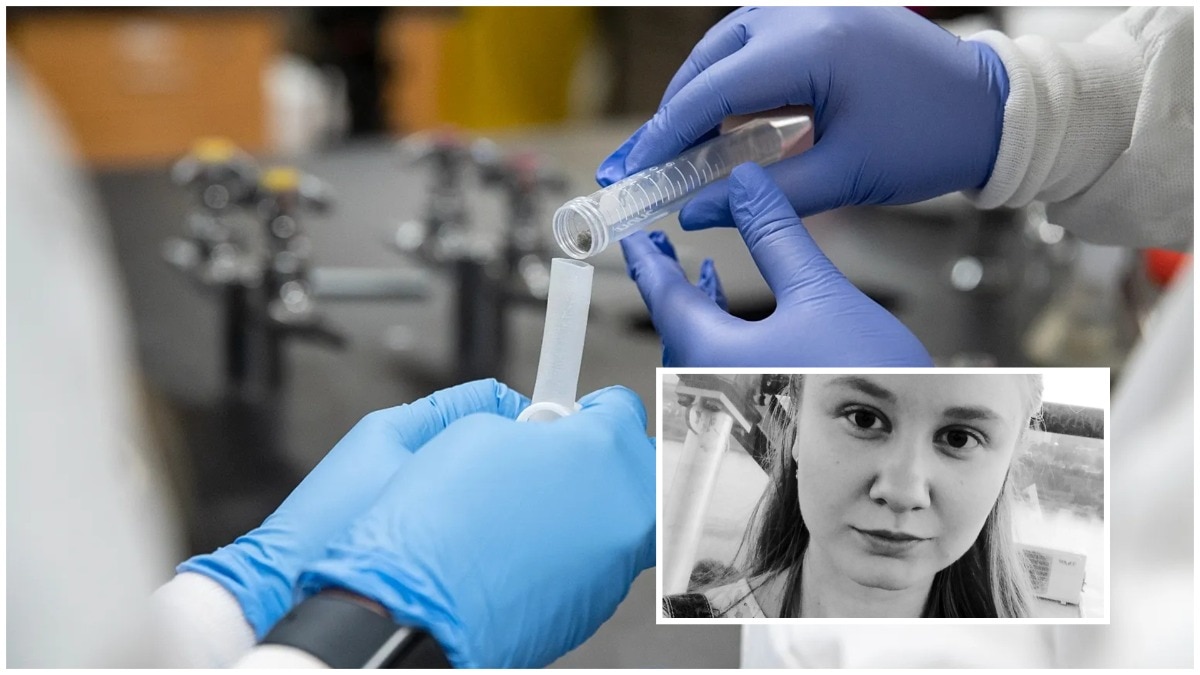
A researcher at a Russian disease laboratory became very sick and died.
Some reports said she may have been exposed to dangerous bacteria, but officials say there was no lab accident.
Health authorities have not confirmed that she had plague.
They say she had pneumonia with an unknown cause.
Nearly 200 people who may have been in contact with her were watched or quarantined.
Officials said those people had no signs of illness.
Some hospitals and a nearby factory took extra safety steps.
Authorities are still trying to learn what caused her death.

An anti-plague institute researcher died after developing severe pneumonia; authorities have not confirmed plague.
Rospotrebnadzor says her diagnosis was pneumonia of unknown cause and no work-related microorganisms were detected.
Reports of a broken test tube containing live bacteria conflict with the agency's statement that no laboratory accident occurred.
As of October 2, reports said 197 people were under quarantine or medical observation, with no signs of illness reported among them.
As of October 5, Russia had no officially confirmed plague outbreak, and authorities were investigating the cause of death and any possible exposure.
- Who
- An anti-plague institute researcher, referred to as Shipilova, died; nearly 200 possible contacts were placed under observation or quarantine.
- What
- Authorities are investigating her death after severe pneumonia and reports of possible plague exposure; no plague outbreak has been officially confirmed.
- Where
- The investigation and precautionary measures involve Irkutsk and Shelekhov, Russia; reports also mention a possible field expedition in neighbouring Buryatia.
- When
- The reports describe developments through October 5; 197 people were reported under observation as of October 2.
- Why
- Authorities are investigating whether a dangerous pathogen, including Yersinia pestis, caused her illness and whether anyone else was exposed.
Official statements
Reports and regional comments
Cause of death
Official statements
Rospotrebnadzor said the researcher had pneumonia of unknown cause and that no microorganisms associated with her work were found.
Reports and regional comments
Some reports and regional statements raised the possibility of plague; Buryatia's head initially said she died of plague, then revised his statement to say she may have.
Possible laboratory accident
Official statements
Rospotrebnadzor said there was no accident involving pathogenic microorganisms at the institute.
Reports and regional comments
Reports said the researcher told medical staff she had accidentally broken a test tube containing live bacteria; this claim was not independently verified.
Key facts
- Reported diagnosis
- Pneumonia of unknown cause, according to Rospotrebnadzor
- People under observation
- 197 as of October 2, according to media reports cited in the article
- Reported condition of contacts
- Rospotrebnadzor said those under observation showed no signs of illness
- Official outbreak status
- No plague outbreak was officially confirmed in Russia as of October 5
- Possible pathogen
- Yersinia pestis, the bacterium that causes plague
- Conflicting exposure accounts
- Reports described a broken test tube or travel from Thailand; the agency said no pathogenic-microorganism accident occurred
- Precautionary measures
- Some hospitals introduced quarantine measures, and employees at the Irkutsk Aluminium Plant were ordered to wear masks from October 3