1 hr ago
Russia Tight-Lipped as WHO Seeks Details on Suspected Plague
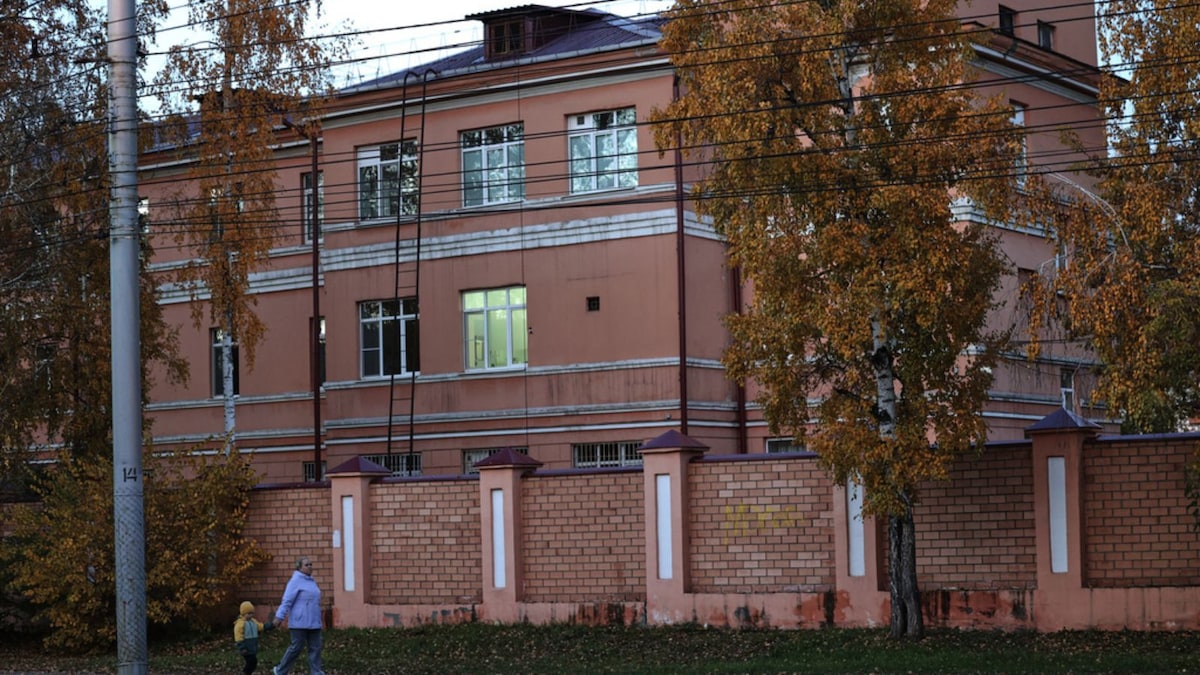
A laboratory worker in Siberia became very sick and died.
Some news reports suggested she might have had a dangerous kind of plague, but officials have not confirmed that.
Russian health officials say tests did not find dangerous germs among the people who were in contact with her.
They quarantined the hospital and watched those people for signs of illness.
The World Health Organization has asked Russia for more details.
It also asked about reports that another worker had pneumonia.
Russian authorities reported some COVID-19 and rhinovirus cases among the contacts.
The cause of the worker’s illness is still unclear.

A lab worker in Siberia died on October 2 after developing severe pneumonia; the cause has not been established.
Russian authorities said testing found no dangerous infectious pathogens among the deceased worker’s contacts and reported no recent plague cases in Irkutsk.
The WHO has asked Russia for further information about the pneumonia’s cause, the pathogen behind public health measures, and reports of another employee with pneumonia.
Authorities quarantined the hospital and monitored contacts; officials reported COVID-19 and rhinovirus cases among contacts, but no other infectious pathogens.
Reports identifying the worker as 28-year-old Darya Shipilova have not been confirmed in official statements, which describe her illness as pneumonia of unknown origin.
- Who
- A lab worker in Siberia; Russian health authorities and the World Health Organization are involved.
- What
- The worker died after severe pneumonia of unknown cause; reports have raised the possibility of pneumonic plague, which authorities have not confirmed.
- Where
- She died in a hospital in Shelekhov, near Irkutsk, in southeastern Siberia, Russia.
- When
- She died on October 2, after reportedly being hospitalized on September 29.
- Why
- The cause of the severe pneumonia remains unclear, prompting the WHO to request more information amid media reports of suspected pneumonic plague.
Official Accounts
Reported Concerns
Possible pneumonic plague
Official Accounts
Russian authorities have not linked the death to plague and say testing found no dangerous infectious pathogens among the worker’s contacts.
Reported Concerns
Unconfirmed media reports have suggested pneumonic plague may have caused the death, and the WHO has requested further information to clarify the reports and the illness’s cause.
Public disclosure
Official Accounts
Officials have issued brief statements describing the situation as calm and outlining preventive measures.
Reported Concerns
The article reports that state-controlled media largely avoided the case and that some state-sponsored outlets withdrew earlier coverage, while the WHO continues to seek clarification.
Key facts
- Official diagnosis
- Pneumonia of unknown aetiology, according to Rospotrebnadzor.
- Reported death date
- October 2.
- Reported age and identity
- Lyudi Baikala identified the worker as 28-year-old Darya Shipilova; official statements did not name her.
- Hospital measures
- The hospital was quarantined and stopped admitting or discharging patients; its outpatient clinic continued operating.
- Contact findings
- Authorities reported two COVID-19 cases and two rhinovirus cases among contacts, with no other infectious pathogens found.
- WHO request
- The WHO sought details on the pneumonia’s cause, the pathogen prompting measures, and reports of a second employee with pneumonia.
- Plague status
- Russia told the WHO that no plague case had recently been registered in Irkutsk region.
Quotes

Dmitry Peskov
Kremlin spokesperson relaying the Russian health agency’s statement.
“The sanitary and epidemiological situation in the Irkutsk region, the cities of Irkutsk and Shelekhov is calm.”
 CNBC TV 18
“The US stands ready to help Russia.”
CNBC TV 18
Sources
Related news

WHO Seeks Clarity on Russian Lab Worker’s Pneumonia Death

Russian Lab Worker’s Death Raises Pneumonic Plague Fears

WHO Says Risk Low After Siberian Lab Worker’s Unconfirmed Death

Russia Rules Out Epidemic Risk After Siberian Lab Worker Dies
Russia Reports No Plague Cases After Lab Worker’s Death

Russian Lab Worker’s Death Raises Plague Concerns and Questions

WHO Seeks More Information on Suspected Plague Death in Russia