2 weeks ago
Iran signals offensive military doctrine, rules out extending June deal

Two big countries, Iran and the United States, are having a serious fight and cannot agree on how to make peace.
In June, they made a promise to stop fighting and talk for 60 days.
Iran says the United States broke that promise, so the talking time never really started.
Now Iran says it will not add more time to the deal.
Iran is also saying it wants a stronger military that could fight far away from home.
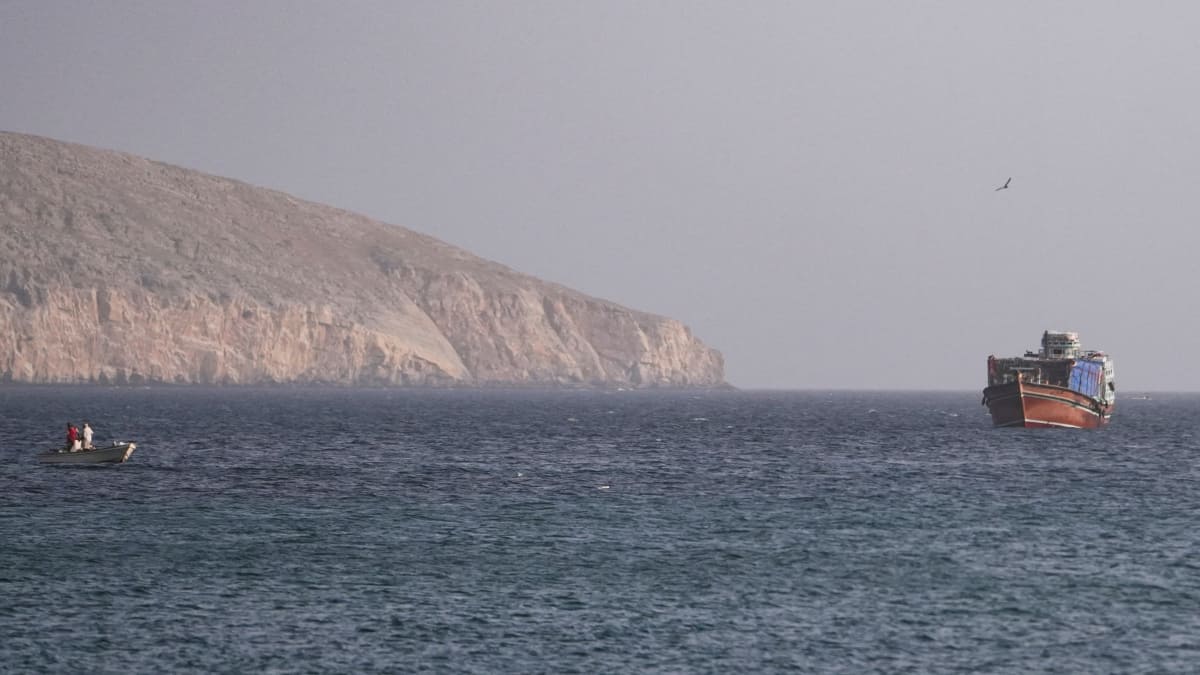
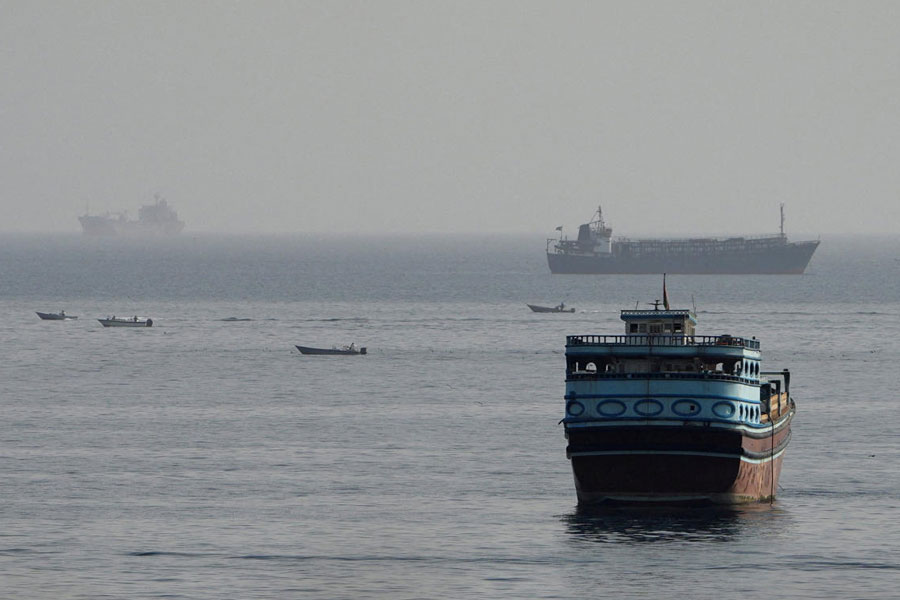
There is a very important water route called the Strait of Hormuz where many oil ships travel, and both countries blame each other for keeping it closed.
Some ships have been attacked, and one attack sadly killed four sailors.
The United States stopped another ship with a helicopter because it said the ship was breaking a blockade.
Because of all the fighting, the price of oil keeps going up and down.

IRGC adviser Mohammad Reza Naqdi said Iran is moving toward an 'offensive doctrine' and must be prepared to conduct operations inside enemy territory.
A senior Iranian source told Reuters there has been 'absolutely no progress' on reviving the June interim agreement with the United States.
Iran rejects reports that the June deal's 60-day period could be extended, arguing it never properly began because Washington violated the agreement.
The US and Iran trade blame over the Strait of Hormuz, and Iranian official Mohsen Rezaei said the strait stays closed unless Tehran's conditions are met.
Four crew members were killed Tuesday in the Houthis' first deadly attack on a cargo ship in the Bab el-Mandeb Strait, keeping oil markets volatile.
- Who
- Iran and the United States, along with IRGC adviser Mohammad Reza Naqdi, US President Donald Trump, Supreme Leader Mojtaba Khamenei, and Iran-backed Houthi forces.
- What
- Iran is shifting to an 'offensive' military doctrine and ruling out extension of the June interim deal, while both sides remain deadlocked over the Gulf conflict and the Strait of Hormuz.
- Where
- The Gulf region, particularly the Strait of Hormuz and the Bab el-Mandeb Strait.
- When
- By Wednesday of this week, amid a conflict that began in February; the interim deal was reached in June, and new shipping attacks occurred on Tuesday.
- Why
- The two sides disagree over reviving the June agreement, reopening the Strait of Hormuz, lifting blockades, releasing frozen Iranian assets, and Trump's demand for compensation.
Iran's Position
US Position
June interim deal and 60-day timeline
Iran's Position
There has been no progress, and the 60-day period never properly began because Washington violated the agreement shortly after it was reached; Tehran rules out any extension.
US Position
Mediators have discussed a US return to the agreement and a timeline for both sides' commitments, while the US accuses Iran of failing to meet its obligations.
Strait of Hormuz reopening
Iran's Position
Iran says Washington failed to honour its obligations, including lifting a blockade on Iranian ports and releasing frozen assets; the strait stays closed unless Tehran's conditions are accepted.
US Position
The US accuses Iran of failing to meet commitments to reopen the strategic shipping route.
Military posture and compensation
Iran's Position
Iran frames its shift to an 'offensive doctrine' as necessary, contrasting it with its pre-war defence-focused strategy.
US Position
President Trump demands Iran pay compensation for deaths over '50 years of wars, attacks and protests' and has alternated between threats of escalation and claims peace could be close.
Key facts
- Main development
- Iran signals shift to an 'offensive' military doctrine following senior military appointments by Supreme Leader Mojtaba Khamenei
- June interim deal
- Called for an immediate, permanent halt to military operations and a 60-day negotiation period covering Iran's nuclear programme and US sanctions
- Iran on the 60-day period
- Rejects extension; says the period never began because Washington violated the agreement shortly after it was reached
- Strait of Hormuz
- Handled about one-fifth of global oil and liquefied natural gas flows before the conflict; remains a major sticking point
- Deadly attack
- Tuesday attack by Iran-backed Houthi forces on a cargo ship in the Bab el-Mandeb Strait killed four crew members
- US naval action
- A Navy MH-60 helicopter fired two Hellfire missiles to disable the steering of a Panama-flagged ship allegedly violating the blockade on Iranian ports
- Oil prices
- Brent peaked at $126 a barrel, about 75% above pre-war levels, trading around $88 on Wednesday; WTI around $83
- Compensation demand
- Trump demands Iran pay compensation for people killed in what he described as 50 years of wars, attacks and protests
Quotes
Senior Iranian source
Unnamed senior Iranian official relayed to Reuters
“"The strait would remain closed unless Washington accepted Tehran’s conditions for ending the war."”
 livemint.com
“"The IRGC must be prepared to conduct operations inside enemy territory when conditions allow."”
livemint.com
Sources
Related news

Iran threatens offensive in Hormuz as US peace talks stall
Iran Reports No Progress Reviving Interim Deal With US

Trump Rules Out Iran Talks as Hormuz Standoff Widens

US Nears Interim Iran-Oman Deal to Reopen Strait of Hormuz
Hormuz Strait stays shut until U.S. meets Iran deal conditions
Trump: Iran Hormuz deal could come within days
Saudi Arabia Says Iranian Tanker Attack Killed Two Sailors
U.S.-Iran Exchange Escalates Across Middle East, Markets Slide
Trump Aides Seek Quiet Iran War Before Midterm Elections
US Warns Middle East Travelers Amid Escalating Iran-Linked Tensions

Indian Stocks Slide as Oil, Conflict and Yields Rise