4 days ago
How Yoga Gradually Strengthens Body Awareness and Coordination
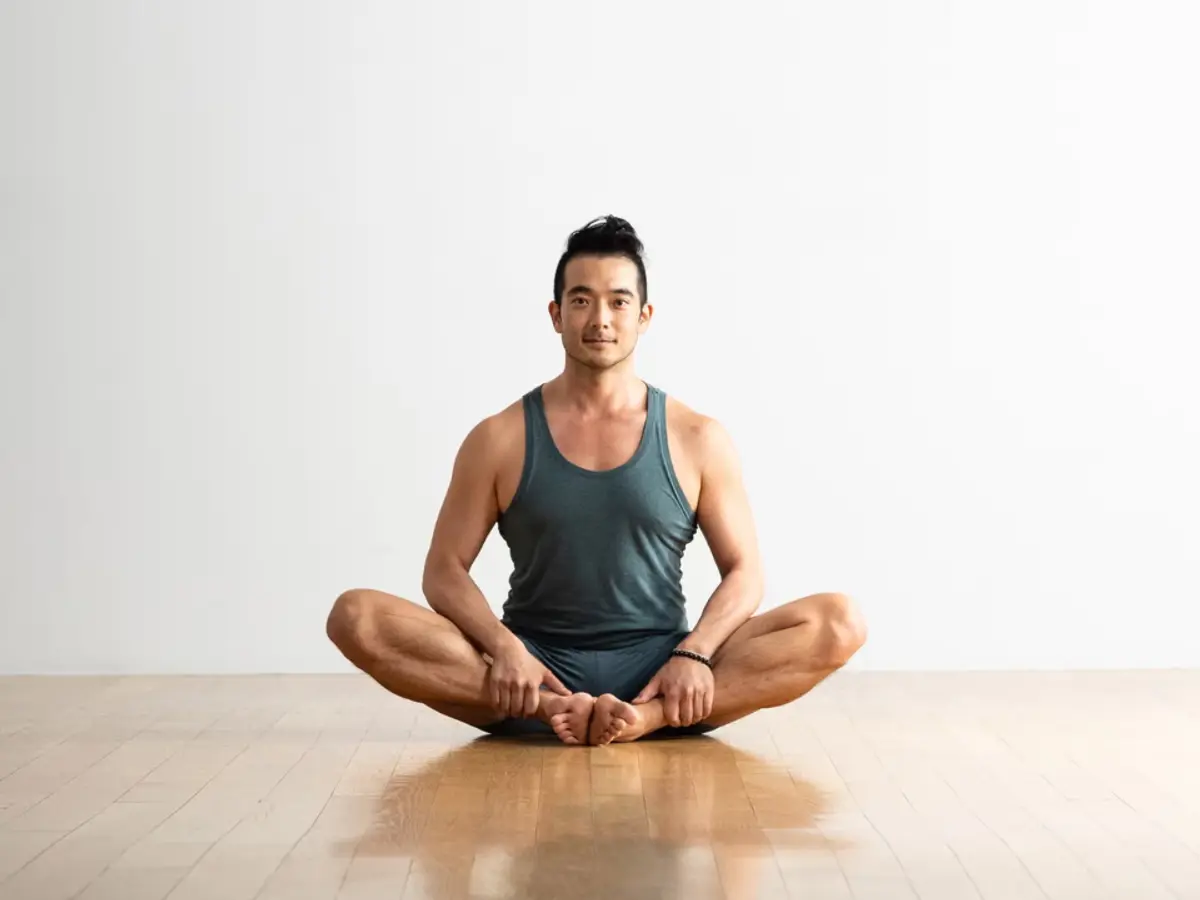
Yoga is not only about becoming more flexible.
It also teaches your brain to pay closer attention to what your body is doing.
Balancing poses help your brain understand where your muscles and joints are in space.
Slow breathing helps you notice sensations inside your body.
With regular practice, your brain may become better at reading these signals.
The article says some MRI studies found changes in a brain area that processes physical sensations among long-term yoga practitioners.
This awareness can help you notice slouching or standing unevenly.
Correcting those habits may help reduce the risk of posture-related joint and back problems.

Yoga can improve proprioception by training the brain to process feedback from muscles, tendons, ankles, and feet.
Balancing poses require rapid sensory processing to help the body remain upright and coordinated.
Controlled breathing may strengthen interoception, or awareness of internal sensations such as stress and muscle fatigue.
MRI studies cited in the article link long-term yoga practice with increased thickness in the brain’s somatosensory cortex.
Improved awareness may help people notice poor posture and uneven weight distribution before they contribute to joint wear or back pain.
- Who
- Yoga practitioners, including the millions of people who practise yoga.
- What
- Yoga may improve body awareness through proprioception, interoception, balance training, breathing, and changes in neural processing.
- Where
- In the muscles, tendons, joints, nervous system, somatosensory cortex, and everyday postural movements.
- When
- Benefits are described as developing over several weeks and with long-term regular practice.
- Why
- To improve coordination, detect physical stress or fatigue earlier, and notice potentially harmful posture habits.
Key facts
- Main benefit
- Improved body awareness rather than flexibility alone.
- Proprioception
- The ability to sense the body’s position in physical space.
- Interoception
- The ability to notice internal physical sensations.
- Key practice
- One-legged balance poses and deep, controlled breathing.
- Brain region
- The somatosensory cortex processes physical sensations.
- Evidence cited
- A 2019 United States National Institutes of Health report and MRI studies of long-term yoga practitioners.
- Potential everyday effect
- Earlier recognition and correction of slumping or uneven weight distribution.
Sources
Related news
Daily Yoga May Improve Flexibility, Posture, Stress, and Digestion

What Your Body Signals During Difficult Yoga Poses
Psychiatrist Says 18 Minutes of Yoga May Lower Stress
10 Minutes of Morning Yoga Boosts Health and Focus

How yoga can help you sleep better at night

Ten-Day Yoga and Naturopathy Program Shows Months-Long Autonomic Changes

Pakistan PM Suspends Eight Officials After Islamabad Hospital Fire

US Officials Correct China Hacking Claims About Targeted Agencies

US Disrupts China-Linked Hackers Targeting Sensitive Agencies

Lung Cancer Is Rising Among People Who Never Smoked