2 weeks ago
Why Similar Injuries Can Cause Different Pain And Recovery
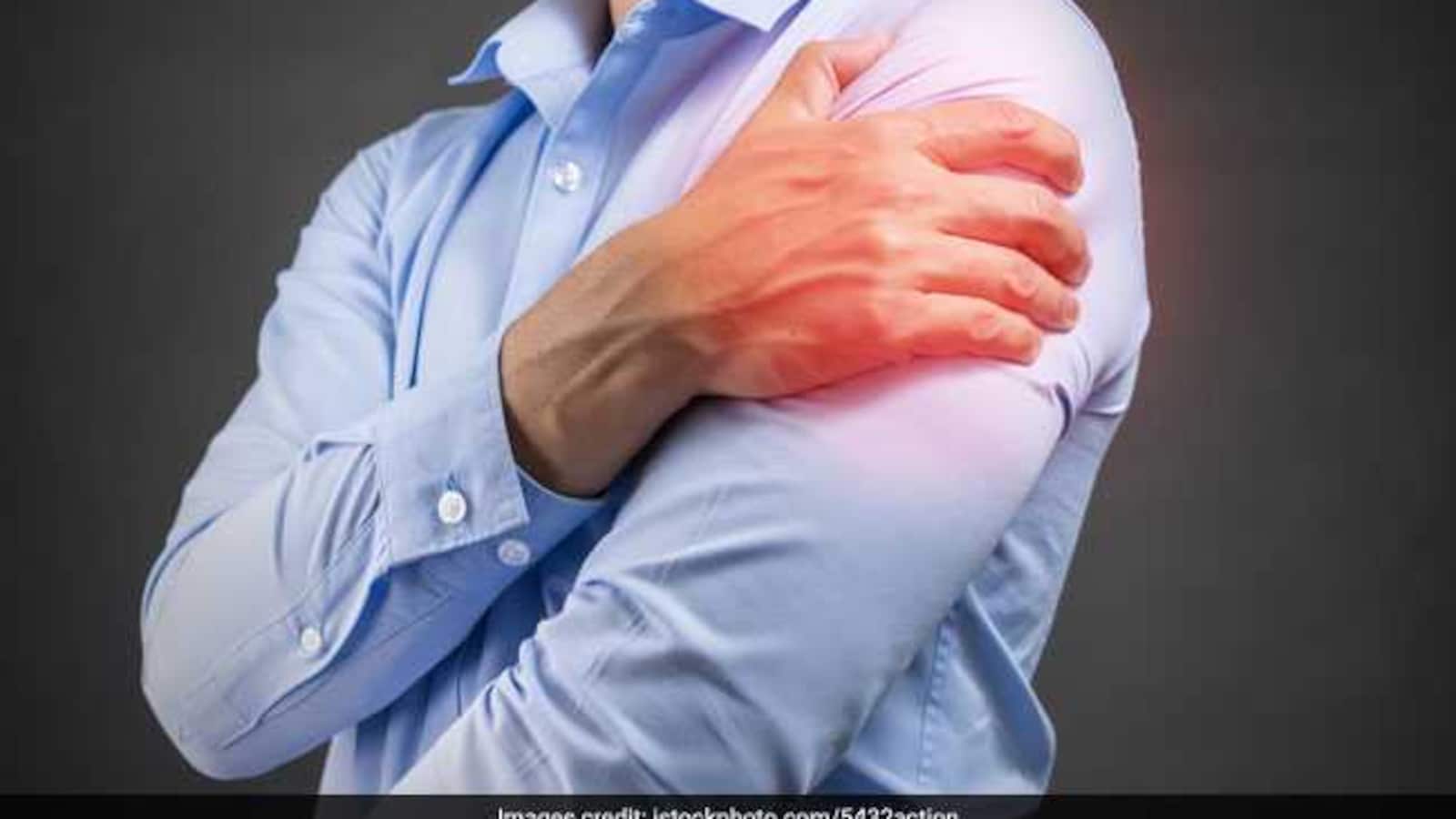
Pain is not a perfect meter for how badly the body is hurt.
Special nerves notice possible damage and send messages to the brain.
The brain then decides how the experience feels.
Genes, age, illnesses, stress, fear, and past experiences can change that experience.
Some people may feel a lot of pain from a small-looking injury, while others may feel little pain despite serious damage.
Diabetes and other conditions can reduce feeling and allow injuries to go unnoticed.
Head injuries can be dangerous even when they do not hurt much, because bleeding or swelling may happen inside the skull.
People should seek medical help for worsening pain or warning signs such as confusion, vomiting, weakness, seizures, or increasing sleepiness.

Pain is produced by the nervous system and influenced by biological, psychological, and social factors.
Genetics, age, existing conditions, stress, expectations, and support can change pain perception and recovery.
Pain intensity does not always match the amount of physical damage, and reduced sensation can hide serious injuries.
Head injuries may involve bleeding, swelling, or other internal problems whose symptoms appear later, making prompt assessment important.
Persistent or worsening pain, especially with neurological symptoms after a head injury, requires medical review.
- Who
- The article cites Dr Rahul Gupta, the International Association for the Study of Pain, the National Institutes of Health, the Centers for Disease Control and Prevention, and the Brain Trauma Foundation.
- What
- The article explains why people with similar injuries can experience different levels of pain and recover at different speeds.
- Where
- The article cites Dr Rahul Gupta of Fortis Hospital, Noida, but discusses pain and injury generally.
- When
- Why
- Pain depends on nervous-system processing as well as biological, psychological, and social factors, while recovery also depends on injury severity, medical conditions, treatment timing, rehabilitation, and support.
Key facts
- Pain definition
- The International Association for the Study of Pain describes pain as an unpleasant sensory and emotional experience associated with, or resembling that associated with, actual or potential tissue damage.
- Pain mechanisms
- Pain may be nociceptive, neuropathic, or nociplastic.
- Influencing factors
- Genetics, age, health conditions, stress, expectations, coping strategies, sleep, mental health, and social support can affect pain and recovery.
- Reduced sensation
- Conditions such as diabetes can damage peripheral nerves and reduce the ability to feel touch, temperature, or pain.
- Head injuries
- Bleeding, swelling, bruising, or other changes inside the skull may not be obvious from the outside, and some symptoms can appear later.
- Warning signs
- Confusion, repeated vomiting, seizures, weakness, numbness, worsening headache, difficulty speaking, unusual behaviour, or increasing drowsiness after a head injury require medical attention.
- Recovery factors
- Treatment timing, blood and oxygen supply, neurological damage, rehabilitation, underlying illness, and social support can influence recovery.
Quotes
Dr Rahul Gupta
Senior Director and Head of Neurosurgery at Fortis Hospital, Noida
“"In brain injuries, the time taken to receive medical attention is particularly important."”
 NDTV
NDTV
“"The experience of pain is not identical for everyone."”
NDTV
Sources
Related news

Leg Pain's Hidden Cause May Be Nerves in Lower Spine

Can a room calm your nervous system? Experts explain

Brain Scans Show Dogs Can Tell Human Fear From Sadness

Medication and Blood Sugar Can Vary Between People

Doctors Explain Why Brain Fog Can Follow H1N1 Recovery