1 hr ago
India Flags Concerns Over US Russia-Iran Sanctions Law, Impact Energy
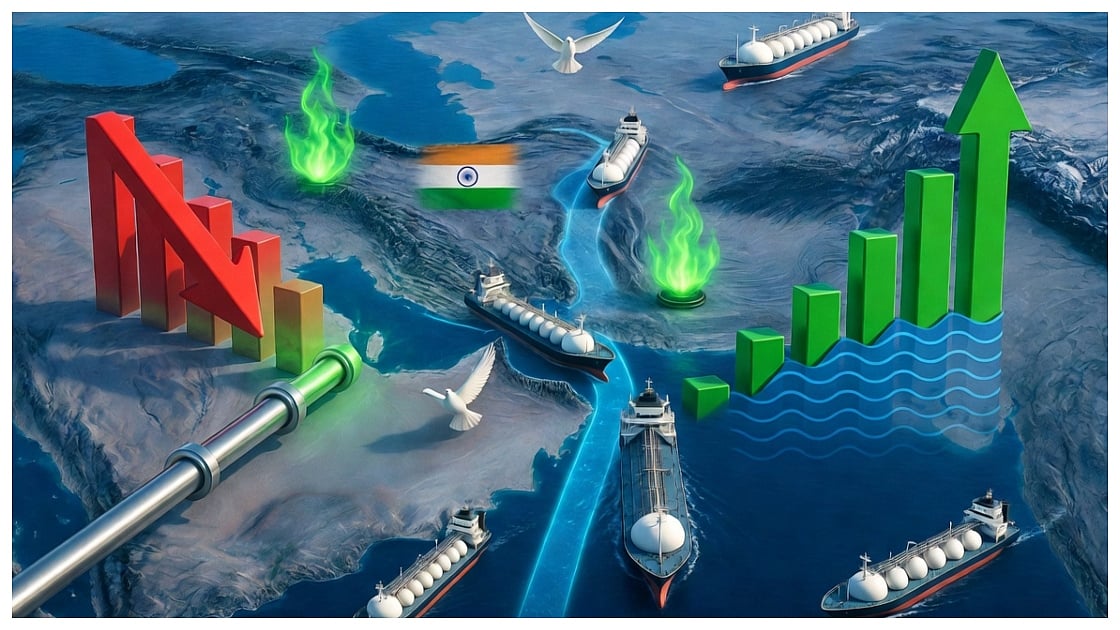
The United States passed a law targeting Russia and Iran with possible sanctions.
The law can allow tariffs of up to 100% on goods from some countries that buy Russian energy.
India was not directly named in the law.
However, India buys a large amount of Russian oil.
Indian officials worry the law could affect India’s relationship with the United States.
They also worry it could change energy prices and supplies around the world.
India says it needs energy that is affordable and dependable.
India is trying to diversify its energy sources while discussing the issue with other countries.

Foreign Secretary Vikram Misri raised India’s concerns about the U.S. sanctions law during a meeting with a bipartisan Congressional delegation in New Delhi.
The Lindsey O. Graham Sanctioning Russia and Iran Act of 2026 allows additional tariffs of up to 100% on goods from countries meeting specified conditions involving Russian crude oil and natural gas purchases.
The law does not directly name India or automatically impose higher tariffs on Indian exports.
India is concerned about possible effects on bilateral relations and international energy markets because it is a major importer of Russian crude oil.
India imports nearly 90% of its crude oil and says its energy decisions are guided by availability, affordability and national requirements.
- Who
- Foreign Secretary Vikram Misri, a bipartisan U.S. Congressional delegation led by Brian Mast, and Indian and U.S. officials.
- What
- India conveyed concerns about the Lindsey O. Graham Sanctioning Russia and Iran Act of 2026 and its possible effects on bilateral ties and energy markets.
- Where
- The concerns were raised in New Delhi; related discussions also took place in New York between S. Jaishankar and Marco Rubio.
- When
- The law was signed by President Donald Trump on September 18, 2026; the date of the New Delhi meeting was not specified.
- Why
- India is concerned because it imports Russian crude oil and depends heavily on imported energy, while the law could affect international energy markets and bilateral relations.
India’s Concerns
U.S. Sanctions Framework
Impact on bilateral ties
India’s Concerns
India warned that the legislation could have implications for India-U.S. relations.
U.S. Sanctions Framework
The law does not directly identify India or automatically impose higher tariffs on Indian exports; U.S. authorities must assess whether countries meet the stated conditions.
Energy security
India’s Concerns
India says affordable and reliable energy supplies are important because it imports nearly 90% of its crude oil and remains a major buyer of Russian crude.
U.S. Sanctions Framework
The law permits additional tariffs on goods from countries connected to Russian crude oil and natural gas purchases, while allowing the U.S. president to modify or waive sanctions under certain conditions.
Key facts
- Legislation
- Lindsey O. Graham Sanctioning Russia and Iran Act of 2026
- Law signed
- September 18, 2026, by U.S. President Donald Trump
- Potential tariffs
- Up to 100% on goods from countries meeting specified conditions related to Russian crude oil and natural gas purchases
- India’s status
- India is not directly identified in the law and higher tariffs are not automatic
- India’s crude imports
- Nearly 90% of India’s crude oil requirements are imported
- Recent oil supply
- Russia remained India’s largest oil supplier in August despite a decline in imports
- Indian policy
- Energy sourcing is guided by availability, affordability and national requirements
Quotes

Randhir Jaiswal
Spokesperson for India’s Ministry of External Affairs
“Various issues of bilateral nature were discussed at the meeting. Also, the Foreign Secretary conveyed our concerns about the SRIA legislation, as to the kind of implications it would have for bilateral relationships, as well as for the international energy market.”
 freepressjournal.in
Sources
Related news
India Warns US Sanctions Bill Could Strain Ties
Jaishankar Flags India’s Concerns Over Russian Oil Tariffs
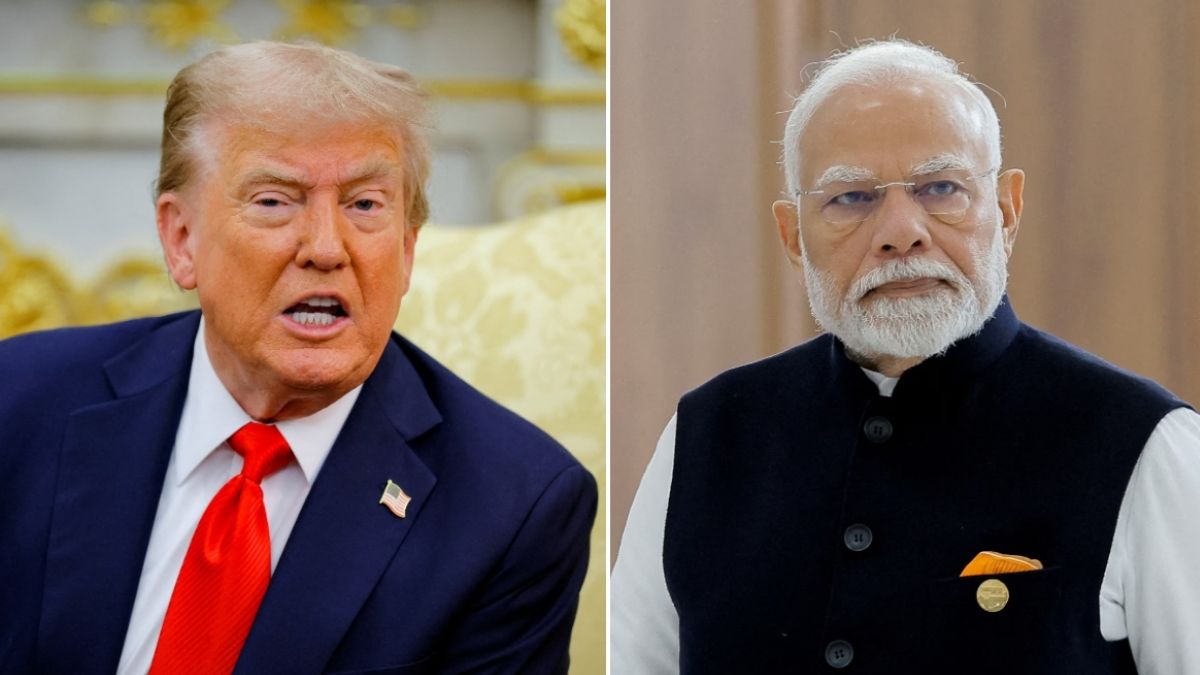
Trump Signs Russia Sanctions Law, Putting India Ties Under Pressure
India, China and Russia Resist US Russia Sanctions Bill
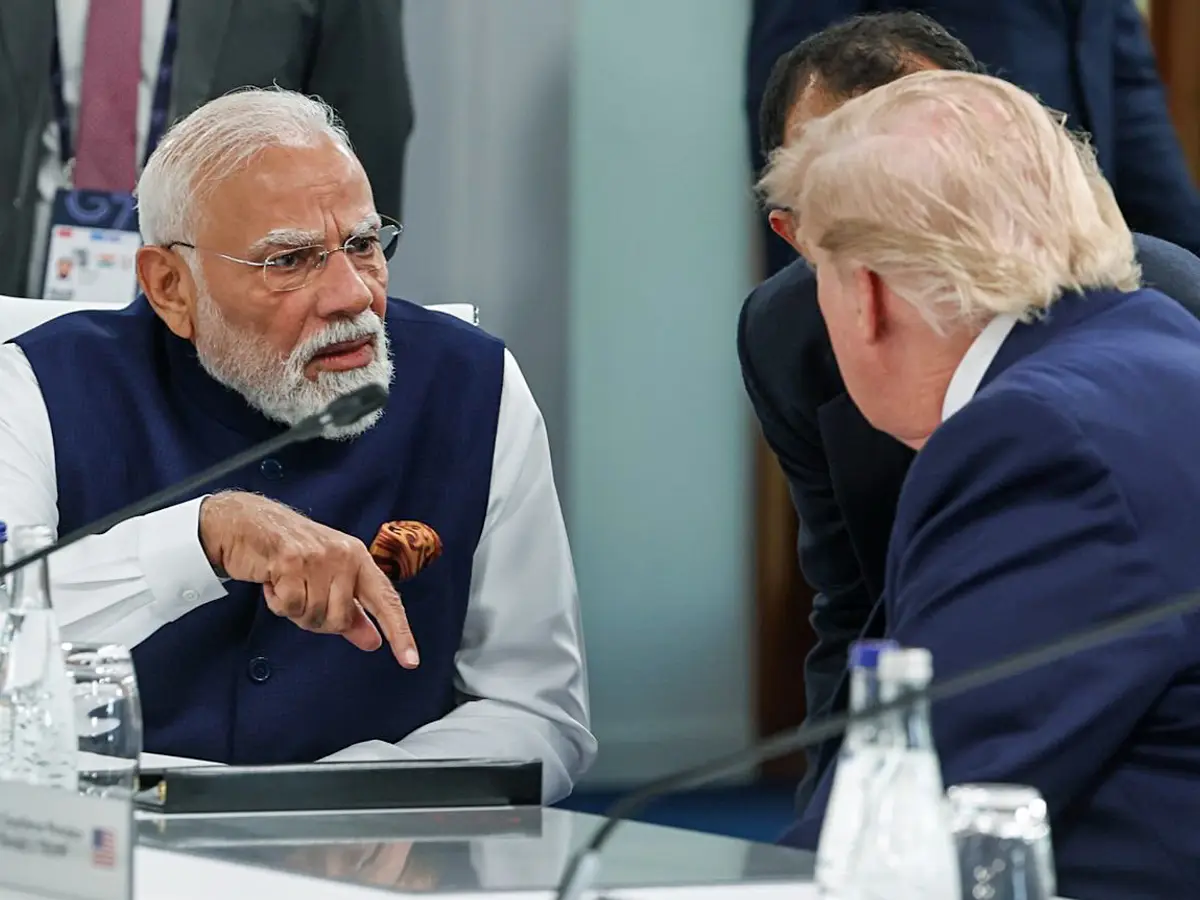
India Defends Energy Security After US Russia Sanctions Bill
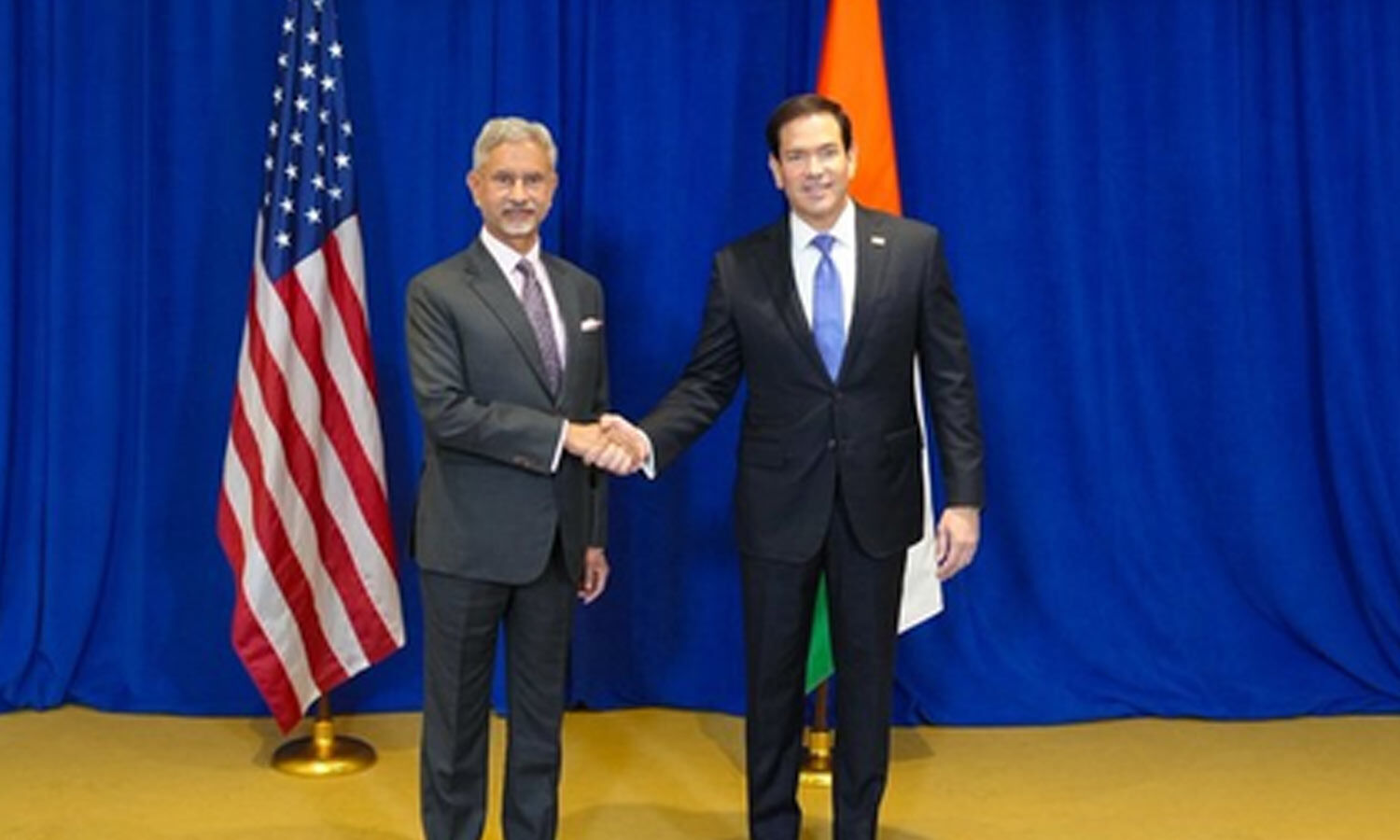
India, US Discuss Russia Sanctions, Tariffs and Energy Security
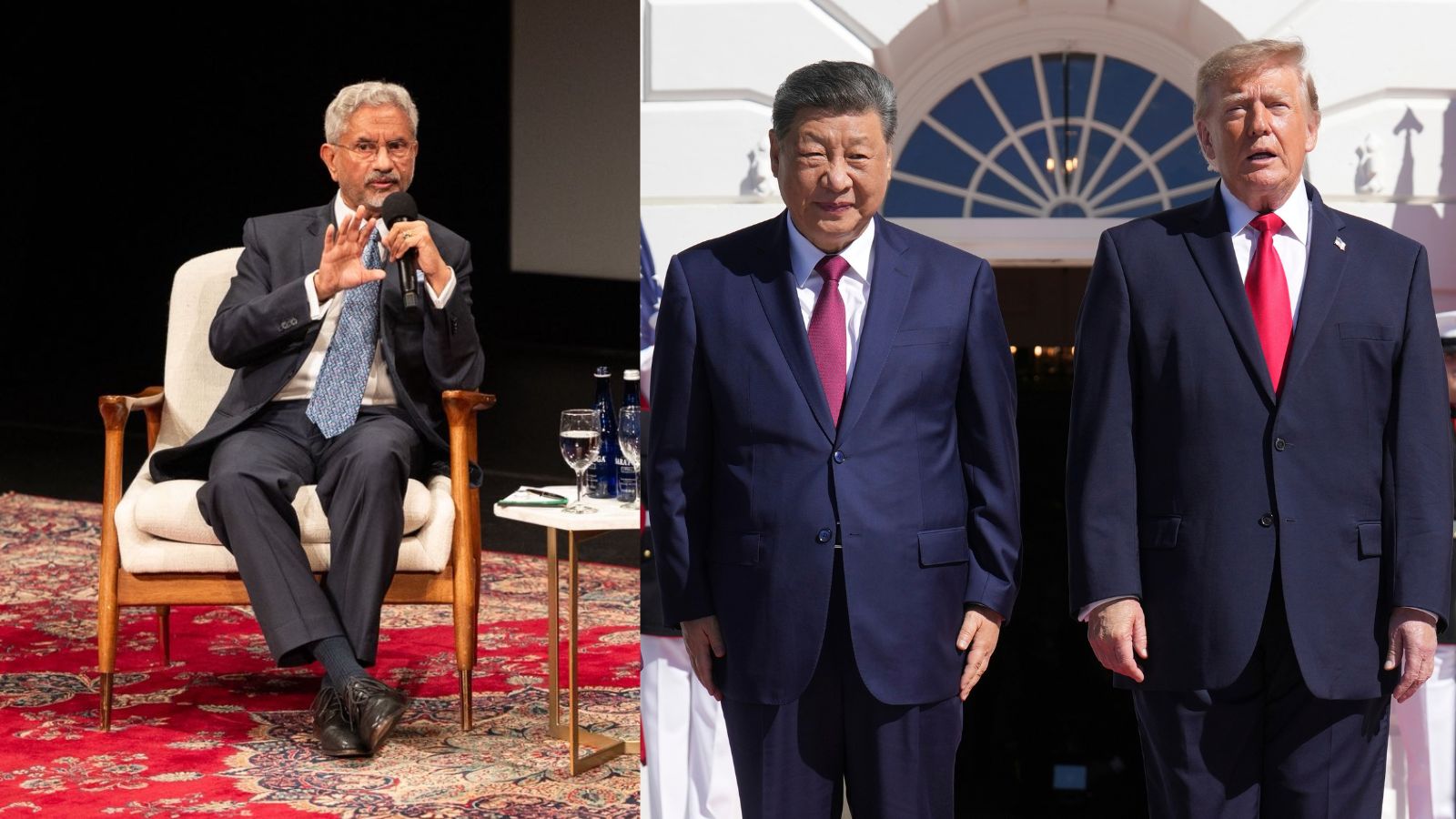
Jaishankar Assesses Trump-Xi Meeting, India-US Trade Deal and Terrorism
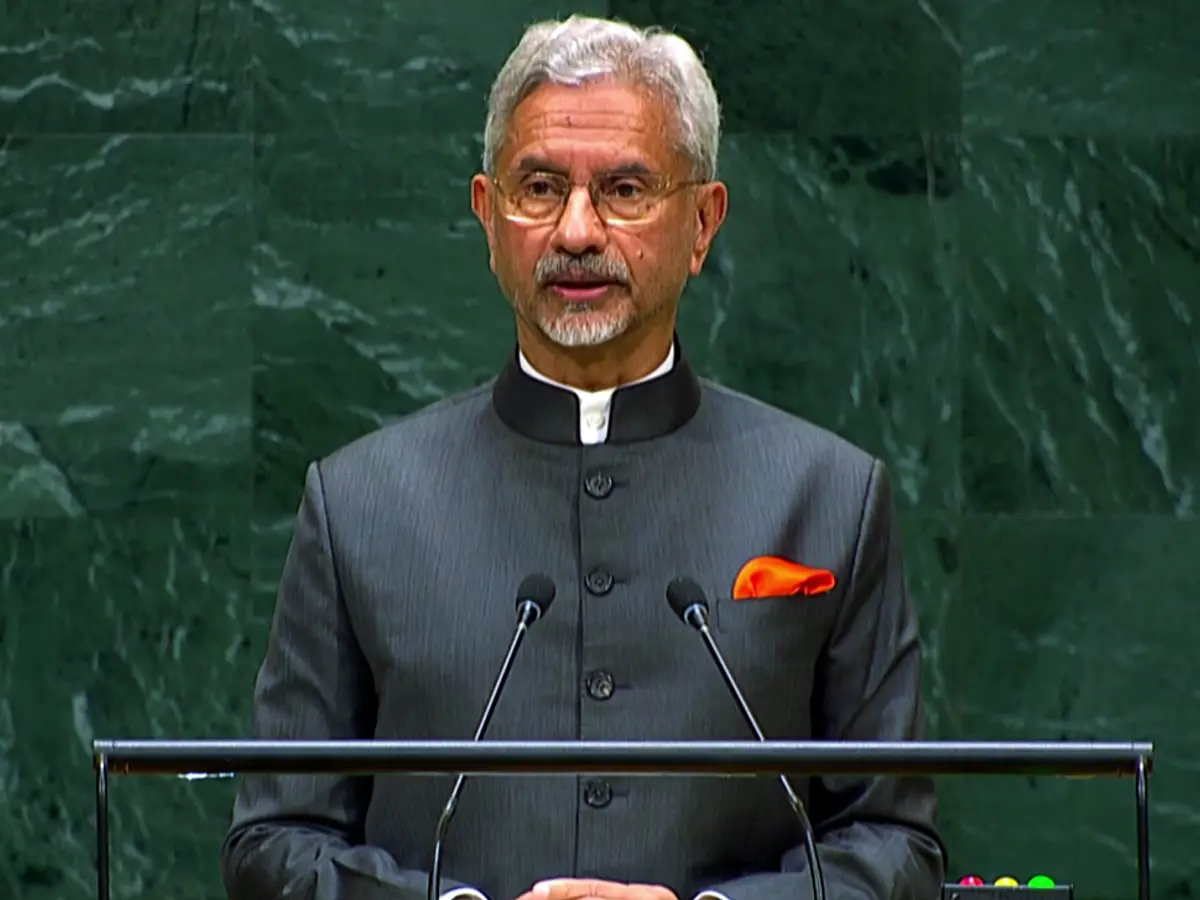
Jaishankar Warns US Misunderstanding India’s Security Concerns Hurts Ties

Washington, Tehran Pursue Mediated Talks as War Enters Seventh Month

New York Reopens Cornell Fraternity Gang-Rape Investigation Into Allegations