1 week ago
Reclaiming Cancel Culture While Protecting Gen Z Mental Health

Cancel culture is when many people publicly criticize or reject someone for something they did.
This can sometimes draw attention to harmful behavior.
But being publicly shamed can also make a person feel ashamed, anxious, or alone.
Their body may react as if they are in danger.
When people feel threatened, it can become harder to think clearly.
That may prevent honest conversations about what happened.
Giving people space to process events can support accountability.
It may also make positive change more possible.
Gen Z can think about both justice and mental well-being when responding to wrongdoing.

Cancel culture has social, cultural, and psychological effects.
Public shaming can trigger shame, anxiety, isolation, and acute stress.
People targeted publicly may experience a heightened sense of threat.
Acute stress can shift the brain away from rational thought.
Without space to address problems, accountability and positive change may become difficult.
- Who
- Gen Z and people involved in cancel-culture situations.
- What
- The article examines how cancel culture affects mental health and how it might be reclaimed while protecting well-being.
- Where
- Not specified.
- When
- Not specified.
- Why
- Because public shaming can cause intense emotional distress and make accountability or positive change more difficult.
Key facts
- Main issue
- Cancel culture has social, cultural, and psychological dimensions.
- Emotional effects
- People in the spotlight may experience shame, anxiety, and isolation.
- Stress response
- Public shaming can trigger an acute stress response.
- Threat perception
- Those being publicly shamed may develop a heightened sense of threat.
- Effect on thinking
- Stress can shift the brain's priorities away from rational thought.
- Accountability concern
- Without space to address the issues, accountability and positive change may become almost futile.
Sources
Related news

How Constant Content Fills the Silence of Modern Loneliness

Gen Z's dark humor signals alienation, not nihilism, psychologist says

How Celebration Culture Turns Birthdays Into Performative Stress

Gen Z Criticizes Brands’ Silence During India’s CJP Protests
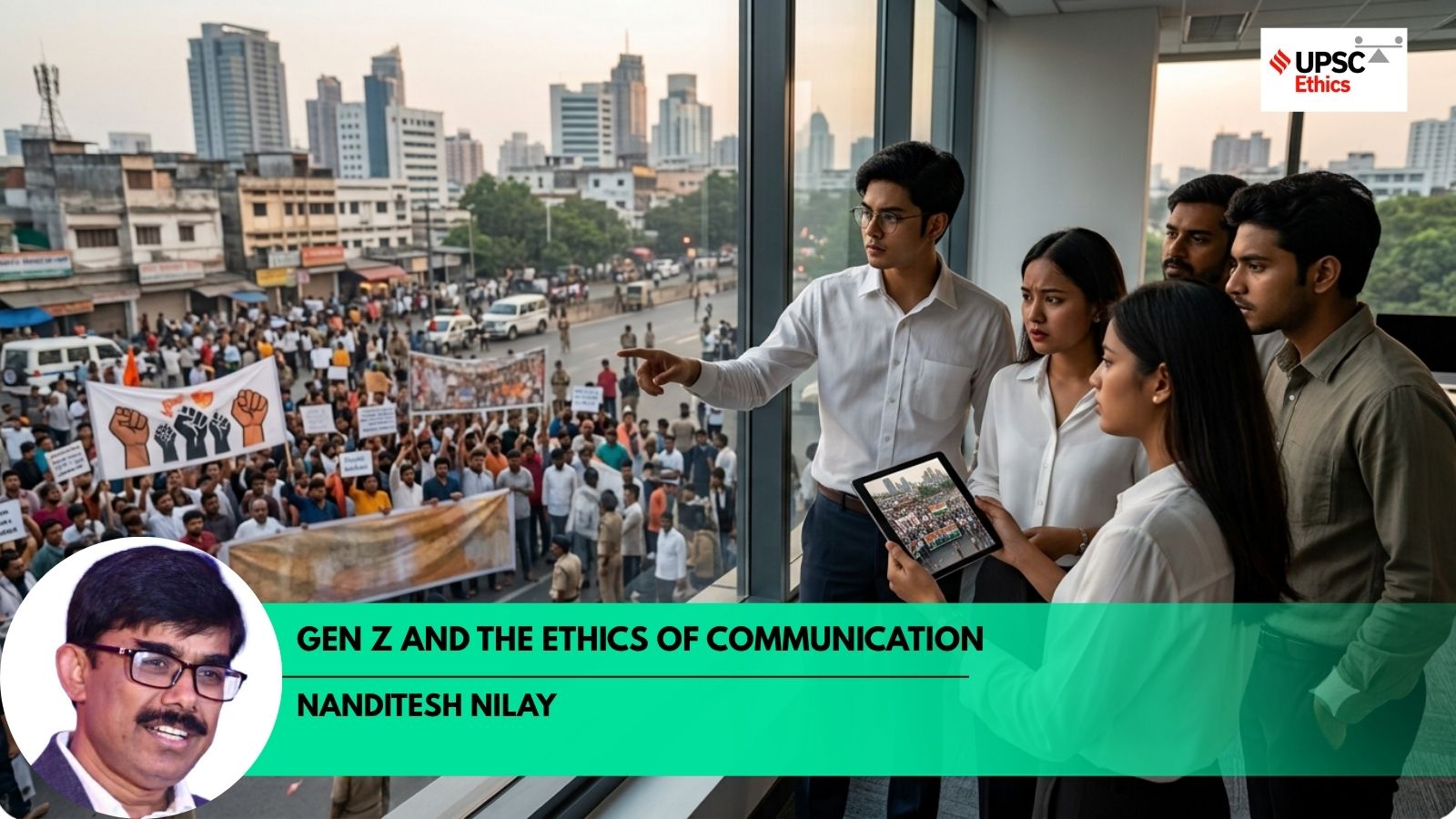
Gen Z Communication Raises Questions About Freedom and Responsibility

Giva Withdraws Raksha Bandhan Ad After Social-Media Outcry

Gen Z Poised to Surpass Boomers in Spending by 2029
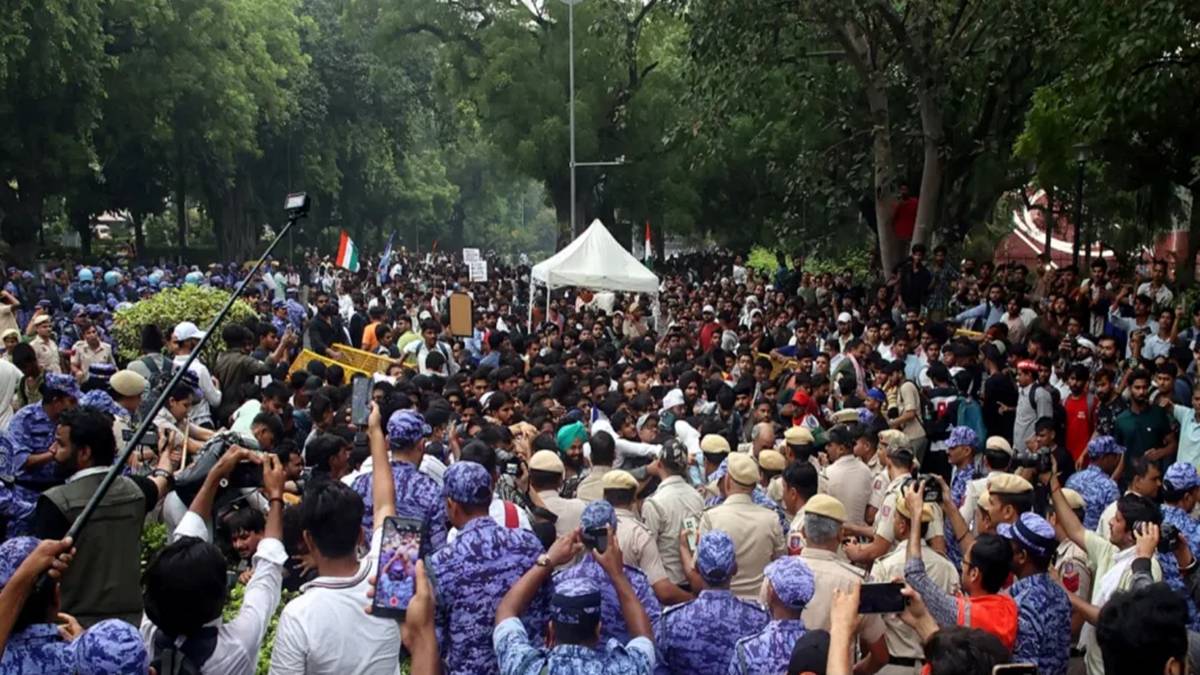
Why Every Generation Complains About the One After It
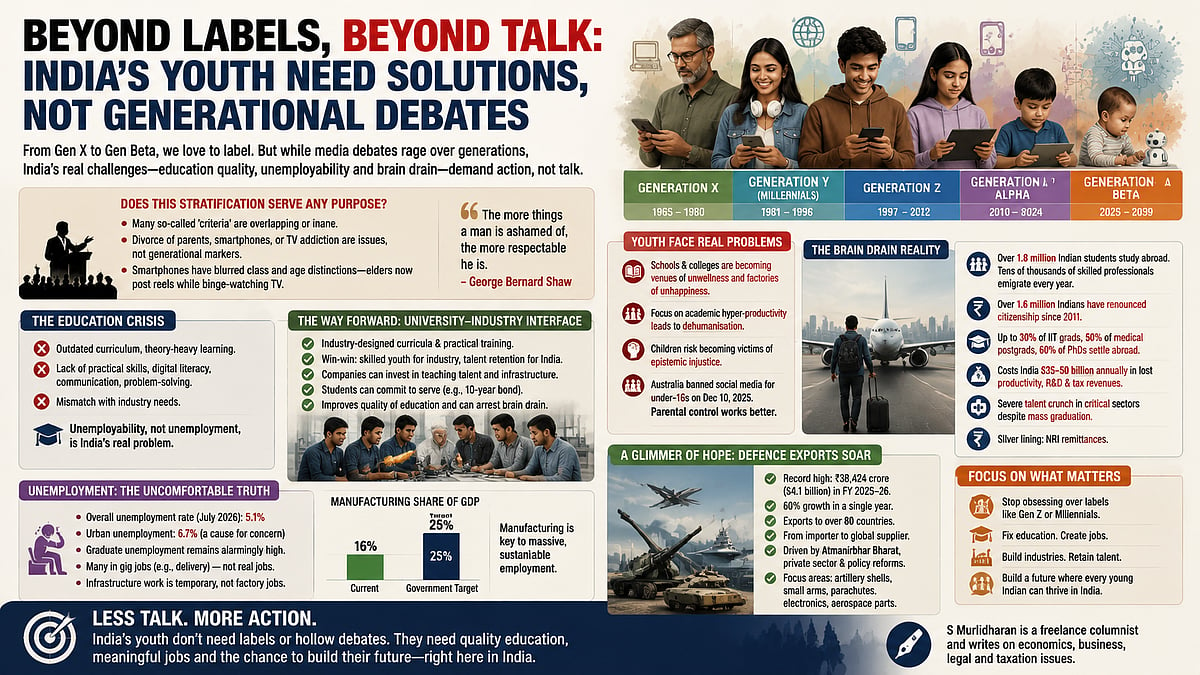
India’s Youth Need Better Education and Jobs, Not Labels
Poet Abrar Ahmed Kashif Urges Society to Hear Gen Z