

2 hrs ago
Al Qaeda Revives Bin Laden Brand to Reclaim Lost Ground

Al Qaeda is changing how it is led.
Intelligence officials say it is moving toward a stronger central leader.
This is similar to the way the group was organized under Osama bin Laden.
Earlier, the group gave more independence to regional branches.
Al Qaeda made this change after bin Laden was killed in 2011.
The group had already been weakened after the September 11 attacks.
It now wants to regain space from the Islamic State.
Its regional branches include one focused on the Indian subcontinent.

Al Qaeda is reportedly moving toward a centralized, personality-driven leadership structure.
The group is shifting away from its earlier decentralized regional model.
Intelligence officials say the change aims to regain operational space from the Islamic State.
Al Qaeda weakened significantly after the September 11 attacks and sustained another setback in 2011.
Under Ayman al-Zawahiri, Al Qaeda emphasized regional affiliates across Africa, Arab countries and the Indian subcontinent.
- Who
- Al Qaeda, its regional affiliates, and intelligence officials commenting on the group’s strategy.
- What
- Al Qaeda is reportedly returning to a centralized, personality-driven leadership model.
- Where
- The report is datelined Dubai; Al Qaeda’s affiliates operate across Africa, Arab countries and the Indian subcontinent.
- When
- The shift is described as occurring after Osama bin Laden’s 2011 death; no specific date is given for the current change.
- Why
- The group is seeking to regain operational space from the Islamic State.
Key facts
- Organization
- Al Qaeda
- Strategic change
- A move toward centralized, personality-driven leadership
- Previous model
- A decentralized structure built around regional affiliates
- Founder
- Osama bin Laden, killed by United States forces in Pakistan in 2011
- Successor
- Ayman al-Zawahiri
- Regional affiliate
- Al Qaeda in the Indian Subcontinent (AQIS)
- Rival organization
- The Islamic State
Sources
Related news
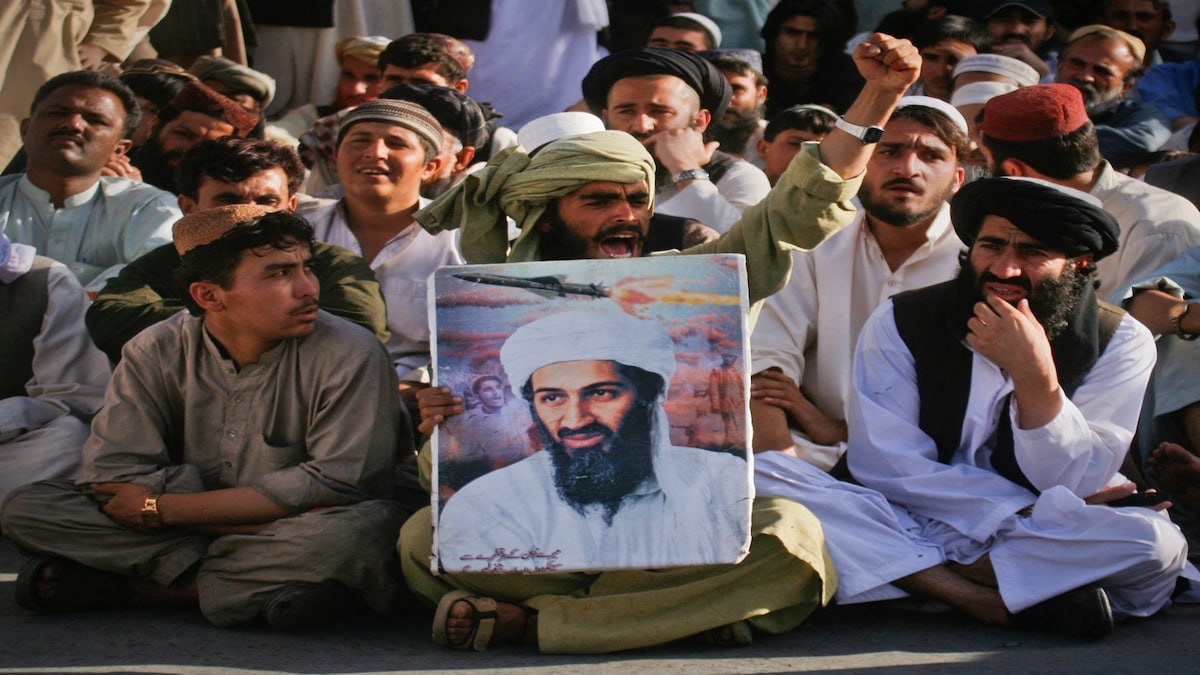
Al Qaeda After 9/11: A Decades-Long Global Evolution

Al Qaeda’s Rise, Setbacks And Continuing Global Influence

Al Qaeda Evolves From 9/11 Attacks Toward Africa

25 Years After 9/11, Al-Qaeda Rebuilds Bases in Taliban Afghanistan

Al-Qaeda Video Features Hamza bin Laden on 9/11 Anniversary

How 9/11 Transformed Warfare and Exposed Military Power’s Limits
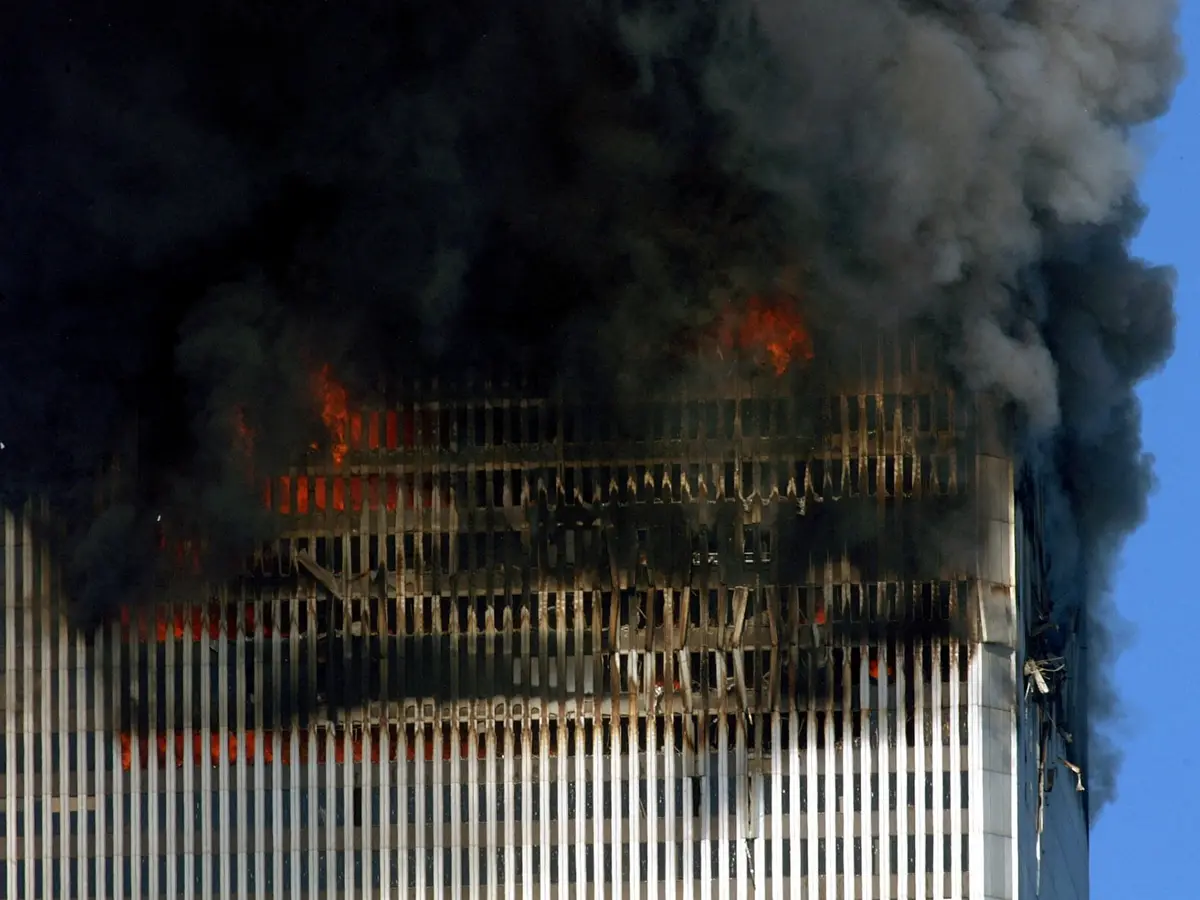
Declassified CIA Briefs Detailed Al-Qaeda Threats Before 9/11
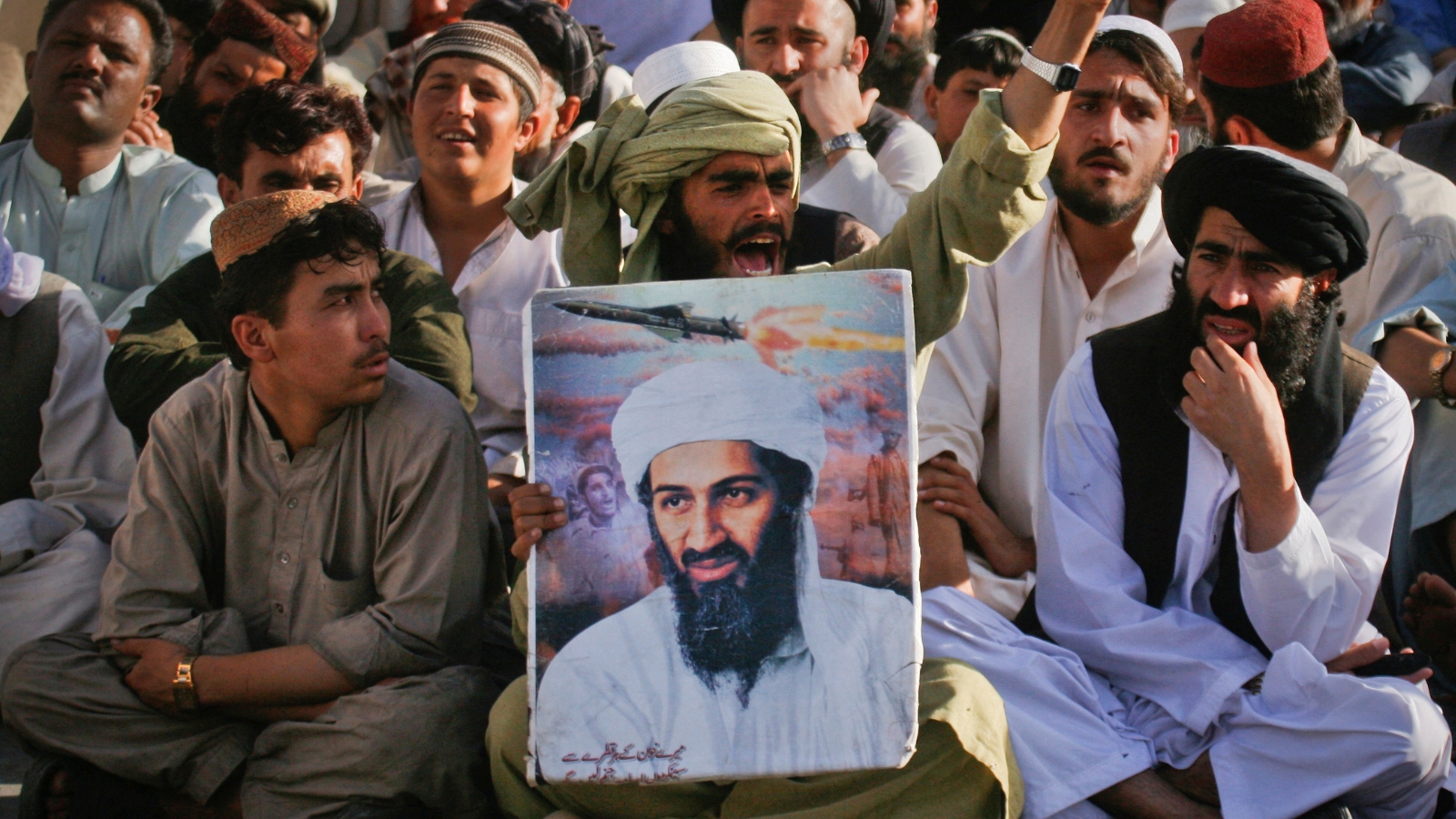
CIA Releases 9/11 Files Detailing Years of Warnings
Why Bollywood Keeps Returning to Nusrat Fateh Ali Khan
