

3 hrs ago
Declassified CIA Briefs Detailed Al-Qaeda Threats Before 9/11
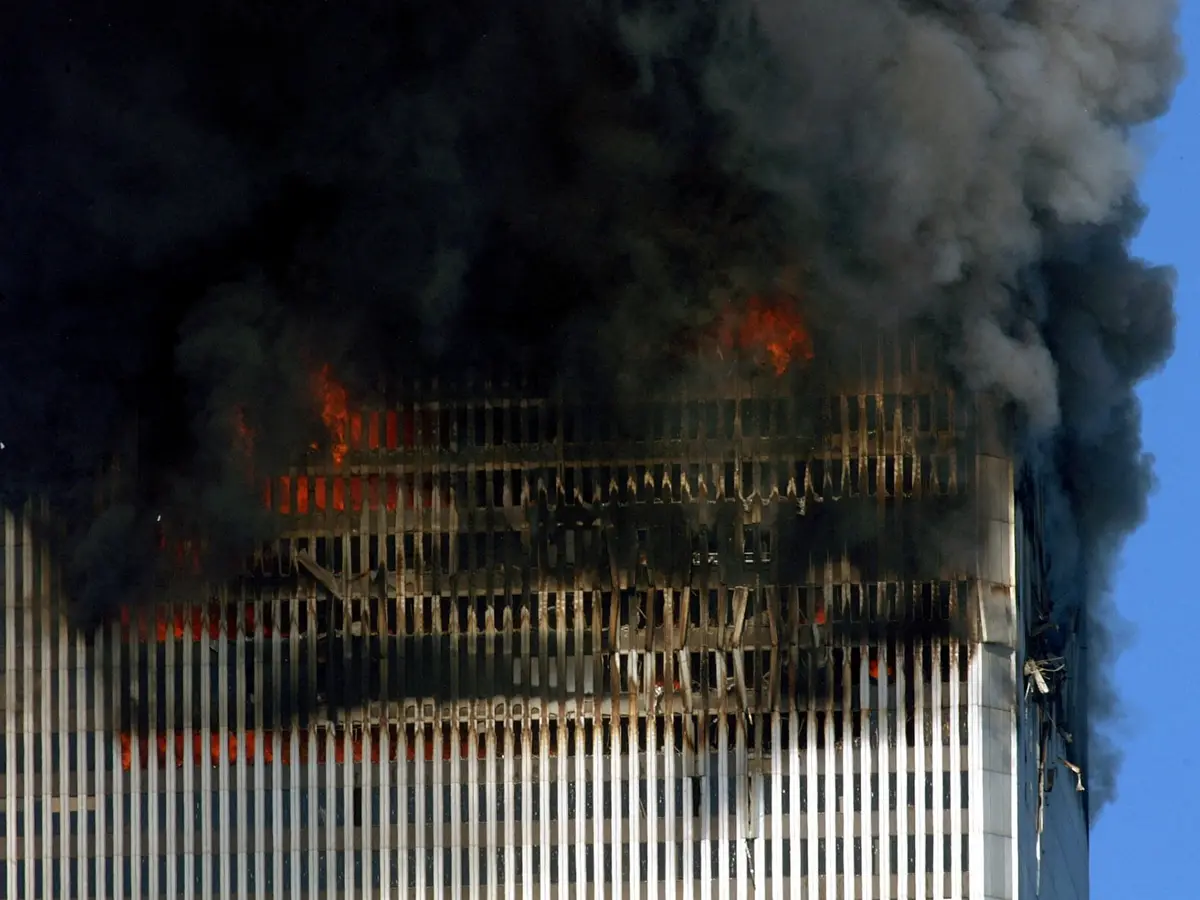
The Central Intelligence Agency released old documents about warnings before the September 11 attacks.
These documents covered the years 1998 through 2001.
They said Osama bin Laden and al-Qaeda wanted to attack Americans and their allies.
One warning said bin Laden wanted to bring the conflict to the United States.
Another warned President Bill Clinton about a possible explosive airplane attack on a U.S. city.
Later intelligence mentioned plans for aircraft hijackings.
It also said some suspected operatives had avoided security checks at a New York airport.
A later government report said leaders did not fully understand the danger and that intelligence and airport-security problems contributed to the failure to stop the attacks.

The Central Intelligence Agency released 71 declassified presidential briefs covering 1998 to 2001.
A March 1998 brief said Osama bin Laden and other al-Qaeda leaders had called for attacks against Americans and their allies worldwide.
In June 1998, intelligence reportedly said bin Laden was discussing bringing the war to the United States.
A September 1998 briefing warned Bill Clinton of a possible attempt to fly an explosive-filled airplane into a U.S. city.
Later warnings cited possible aircraft hijackings and operatives evading security checks at an unidentified New York airport.
- Who
- The Central Intelligence Agency, Osama bin Laden, al-Qaeda leaders, and U.S. presidents Bill Clinton and George Bush are identified in the reports.
- What
- The Central Intelligence Agency released 71 declassified briefs detailing warnings about possible al-Qaeda attacks, including aircraft hijackings and an explosive airplane attack.
- Where
- The warnings concerned attacks in the United States, including a possible attack on a U.S. city and security concerns at an unidentified New York airport.
- When
- The briefs cover 1998 to 2001; the warnings cited include March, June, and September 1998.
- Why
- The documents were released as an act of transparency during commemorations of the 25th anniversary of the September 11 attacks.
Warnings Suggested More Action Was Possible
Failures Were Broader and Systemic
Significance of the intelligence warnings
Warnings Suggested More Action Was Possible
The warnings about attacks on Americans, bringing the war to the United States, explosive airplanes, and aircraft hijackings raise questions about whether successive presidents could have done more.
Failures Were Broader and Systemic
The 2004 official report said U.S. leaders did not understand the gravity of the threat from Osama bin Laden and al-Qaeda, while also identifying intelligence-community and airport-security failures.
Reasons the attacks were not prevented
Warnings Suggested More Action Was Possible
Specific intelligence about a possible explosive airplane and hijacking preparations could be viewed as missed opportunities to strengthen prevention efforts.
Failures Were Broader and Systemic
The official report attributed the failure to analyze transnational terrorism to reduced budgets and bureaucratic rivalries, and said border protection was not treated as a national-security issue before 9/11.
Key facts
- Documents released
- 71 declassified presidential briefs
- Period covered
- 1998 to 2001
- March 1998 warning
- Al-Qaeda leaders had called for attacks against Americans and their allies worldwide.
- September 1998 warning
- Bill Clinton was briefed about a possible attempt to fly an explosive-filled airplane into a U.S. city.
- Aircraft warning
- A later brief warned that al-Qaeda was preparing for aircraft hijackings.
- Airport concern
- Some operatives reportedly evaded security checks at an unidentified New York airport.
- 2004 report
- An official report cited failures to understand the threat, intelligence weaknesses, and lax airport security.
Sources
Related news
CIA Releases 9/11 Files Detailing Years of Warnings

Declassified CIA Brief Warned of Bin Laden’s Global Reach

US and UN Security Council Mark 25 Years Since 9/11

US Marks 25 Years Since 9/11 as Rice Voices Remorse

Trump Marks 9/11 Anniversary as Attack Timeline Recalled

George W. Bush Revisits 9/11 Through 16 Paintings
Twenty-Five Years Later, 9/11 Remains Vivid for Americans
Trump Ranks Himself Above Washington and Lincoln as Greatest

US Nuclear Guarantees Face New Doubts in Japan, Korea
