

5 hrs ago
25 Years After 9/11, Al-Qaeda Rebuilds Bases in Taliban Afghanistan
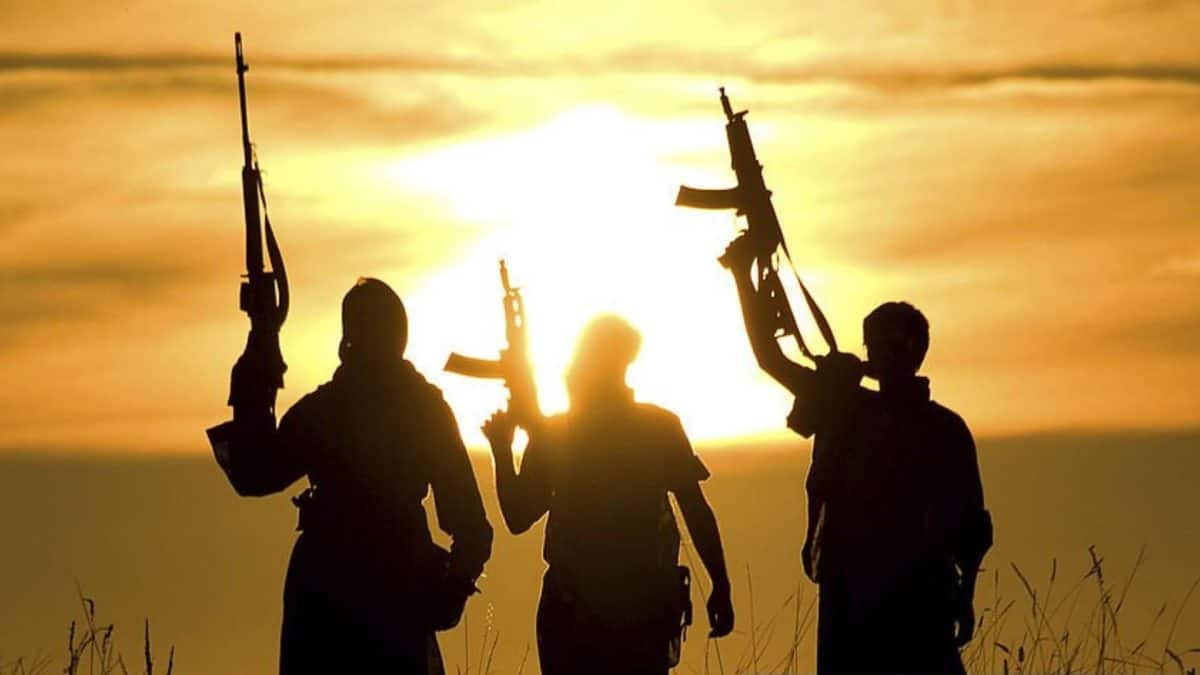
After the United States left Afghanistan in 2021, the Taliban returned to power.
Reports say al-Qaeda and other armed groups have rebuilt bases and training camps there.
These groups are teaching fighters skills such as using weapons, explosives, drones and secret communications.
Al-Qaeda is believed to have relatively few core members in Afghanistan.
It is also helping other groups, including the Tehrik-e-Taliban Pakistan, with training and advice.
Islamic State-Khorasan is a rival group that has also grown in Afghanistan.
Experts say these groups are mostly focused on nearby countries instead of immediately planning attacks on the United States.
Security officials are worried because Afghanistan’s camps once helped al-Qaeda prepare for the September 11 attacks.

Al-Qaeda and affiliated groups have established at least eight bases in Afghanistan since the Taliban returned to power in 2021.
A United Nations report described Taliban-ruled Afghanistan as providing a “permissive environment” for safe houses and training camps.
The camps reportedly train fighters in weapons, explosives, guerrilla tactics, encryption, artificial intelligence and drone use.
Core al-Qaeda is estimated to have 100 or fewer militants in Afghanistan, while TTP may have as many as 7,000 fighters there.
Islamic State-Khorasan has reportedly attracted about 2,000 recruits and uses northern Afghanistan as a training and planning hub.
- Who
- Al-Qaeda, Islamic State-Khorasan, Tehrik-e-Taliban Pakistan, the Taliban, United Nations officials and US and Western security officials.
- What
- Reports say militant groups have rebuilt bases, safe houses and training camps in Afghanistan, with al-Qaeda also advising regional affiliates.
- Where
- Across Afghanistan, including areas near Kandahar, Kunar province and northern Afghanistan.
- When
- The reported expansion has occurred mainly since the Taliban returned to power after the US withdrawal in 2021; the article is published 25 years after the September 11 attacks.
- Why
- The groups are seeking to recruit and train fighters, support regional conflicts and rebuild their capabilities, while the Taliban’s rule has provided what a United Nations report called a “permissive environment.”
Growing Terrorist Threat
Regional Focus and Constraints
Taliban’s role
Growing Terrorist Threat
A United Nations report says the Taliban has created a “permissive environment” that allows al-Qaeda to consolidate through safe houses and training camps.
Regional Focus and Constraints
Officials and experts cited in the report say the Taliban remains reluctant to invite renewed international intervention, which constrains the groups’ activities.
Future threat
Growing Terrorist Threat
Counterterrorism officials warn that the return of training camps echoes conditions before September 11 and could help extremist groups rebuild momentum.
Regional Focus and Constraints
Experts say al-Qaeda and other groups currently appear more focused on regional conflicts and recruiting nearby fighters than on launching a pre-9/11-style global campaign.
Al-Qaeda’s current role
Growing Terrorist Threat
The group’s training in explosives, covert operations, information security and other technologies could strengthen its affiliates and partner groups.
Regional Focus and Constraints
UN officials describe al-Qaeda primarily as a consulting service for other groups rather than as an organization directly leading major operations.
Key facts
- Al-Qaeda bases
- At least eight bases have reportedly been established in Afghanistan over the past three years.
- Core al-Qaeda strength
- UN monitoring coordinator Colin Smith estimated that 100 or fewer militants in Afghanistan belong to core al-Qaeda.
- TTP strength
- Colin Smith estimated that Tehrik-e-Taliban Pakistan has as many as 7,000 fighters in Afghanistan.
- Islamic State-Khorasan recruits
- Officials and UN reports say the group has attracted about 2,000 recruits.
- Training activity
- Reported camps train fighters in weapons, explosives, guerrilla tactics, encryption, artificial intelligence and drones.
- Al-Qaeda leadership
- Saif al-Adel is identified as al-Qaeda’s leader and is believed to be hiding in Iran.
- Tarnak Farms
- A Washington Post review of satellite imagery found no visible signs of renewed activity at the former al-Qaeda site near Kandahar airport.
Quotes

Bruce Hoffman
Counterterrorism expert at Georgetown University
“we’ve seen al-Qaeda acting as a consulting service for other groups. Giving them advice and training on things like covert operations and information security.”
 firstpost.com
“But I think they hope that with local and regional gains they can start to rebuild momentum. They haven’t forgotten us.”
firstpost.com
Sources
Related news
Al Qaeda After 9/11: A Decades-Long Global Evolution
Al Qaeda’s Rise, Setbacks And Continuing Global Influence

Al Qaeda Evolves From 9/11 Attacks Toward Africa

Al Qaeda Revives Bin Laden Brand to Reclaim Lost Ground
Pakistan Accused of Tolerating Terror Networks as Afghan Influence Fades

Twenty-Five Years After 9/11, America Assesses War’s Legacy

Report Says Pakistan’s Proxy Wars Are Rapidly Changing Disguises

Trump Marks Abbey Gate Anniversary, Blames Biden Withdrawal Failures

Officials Warn of JeM-AQIS Plans to Spread Mass Unrest
