58 mins ago
Study Finds Leopard Declines Across Parts of Odisha
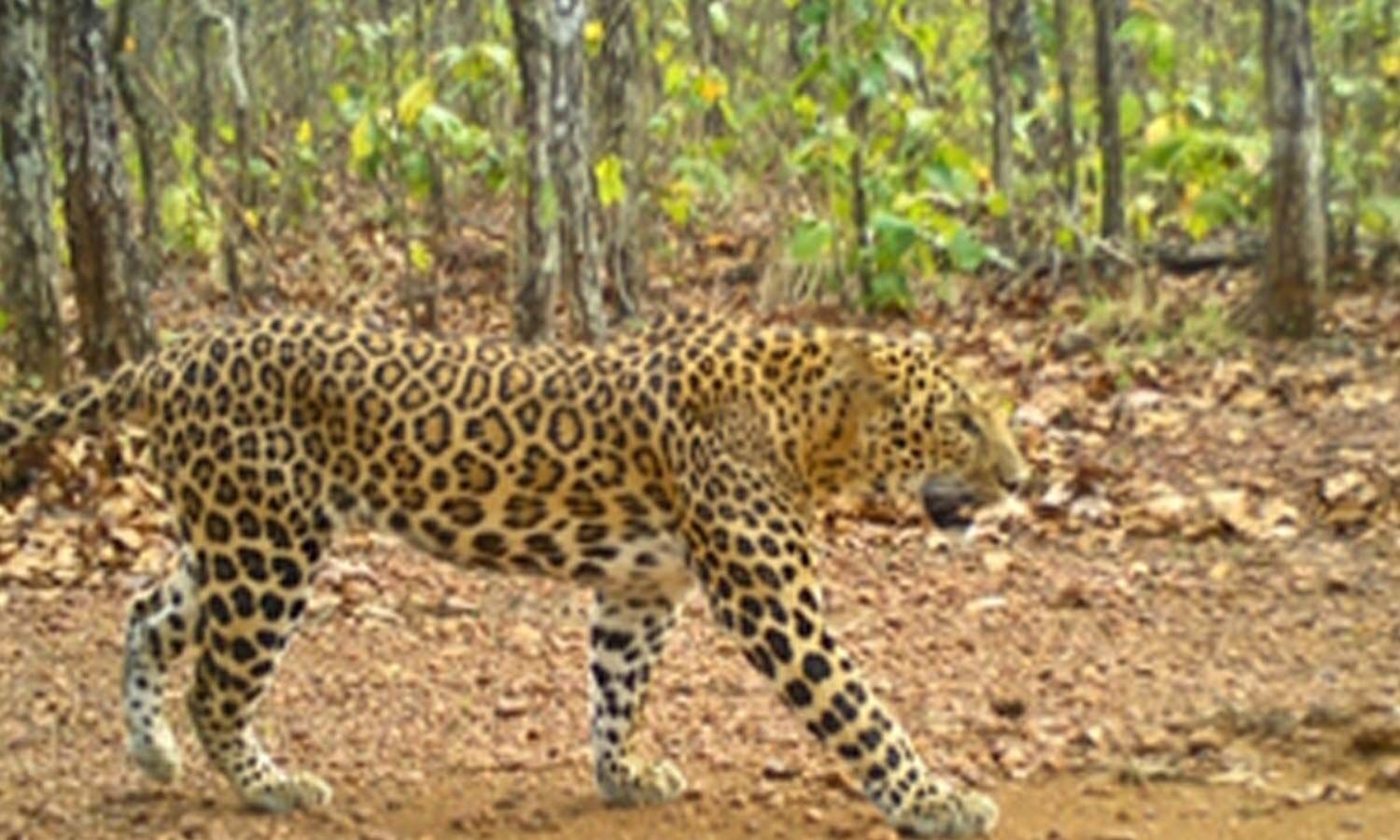
Researchers studied leopards and their prey in several parts of Odisha.
They used cameras in forests to estimate how many leopards were present.
Satkosia and Mahanadi had the highest leopard numbers among the places studied.
The study found very few leopards in Rebana and none detected at levels indicating a continuing population in Kuldiha and Hadagarh.
Some kinds of larger prey were scarce or absent at several sites.
The report says leopards need enough prey and safe places to live.
It recommends better monitoring, protecting prey, and linking forest areas with corridors.
It also says reducing threats from people may help leopards and reduce conflict near villages.

A Wildlife Institute of India study found leopard and prey populations declining at surveyed sites in Odisha.
Researchers used camera traps across the Similipal-Satkosia landscape, including protected and non-protected areas.
Satkosia and Mahanadi had the highest estimated leopard densities: 17.9 and 11.9 per 100 km², respectively.
Leopards were described as functionally extinct in Kuldiha and Hadagarh, while Rebana had an estimated density of 2.2 per 100 km².
The report called for stronger prey protection, monitoring, ecological corridors, and action to reduce human-related threats.
- Who
- Researchers from the Wildlife Institute of India conducted the study, sponsored by the Odisha Forest Department.
- What
- A study assessed leopard and prey populations and found declines at several Odisha sites.
- Where
- The Similipal-Satkosia landscape in Odisha, including Kuldiha, Hadagarh, Rebana, Satkosia and Mahanadi.
- When
- The article does not specify when the surveys were conducted.
- Why
- The study aimed to inform conservation strategies and address threats including habitat destruction, poaching, human-wildlife conflict, and low prey availability.
Study findings
Conservation response
Population status and action needed
Study findings
The study reports declining leopard and prey populations, with very low or functionally extinct leopard populations at some surveyed sites.
Conservation response
The report recommends landscape-scale conservation, prey protection and supplementation, improved monitoring, ecological corridors, and reducing human-related threats.
Key facts
- Study organization
- Wildlife Institute of India (WII)
- Sponsor
- Odisha Forest Department
- Survey method
- Systematic camera-trap surveys
- Highest reported density
- Satkosia: 17.9 ± 1.75 leopards per 100 km²
- Second-highest reported density
- Mahanadi: 11.9 ± 1.66 leopards per 100 km²
- Rebana estimate
- 2.2 ± 0.70 leopards per 100 km²
- Sites described as functionally extinct for leopards
- Kuldiha and Hadagarh
Quotes
Wildlife Institute of India study report
Report presenting findings from the leopard and prey population study.
“Based on the preliminary data, our findings highlight the need for a comprehensive, landscape-scale leopard conservation strategy”
 thehansindia.com
“Leopard density and prey abundance varied across the landscape”
thehansindia.com
Sources
Related news

Why Madhya Pradesh Has India’s Highest Wolf Population

Scientific Survey Assesses Wildlife and Biodiversity in Kothagudem Forests
Leopard Attack Kills Woman as Wildlife Movement Alarms Uttar Pradesh
Reported Leopard Sighting Puts Mopal Villages on Alert
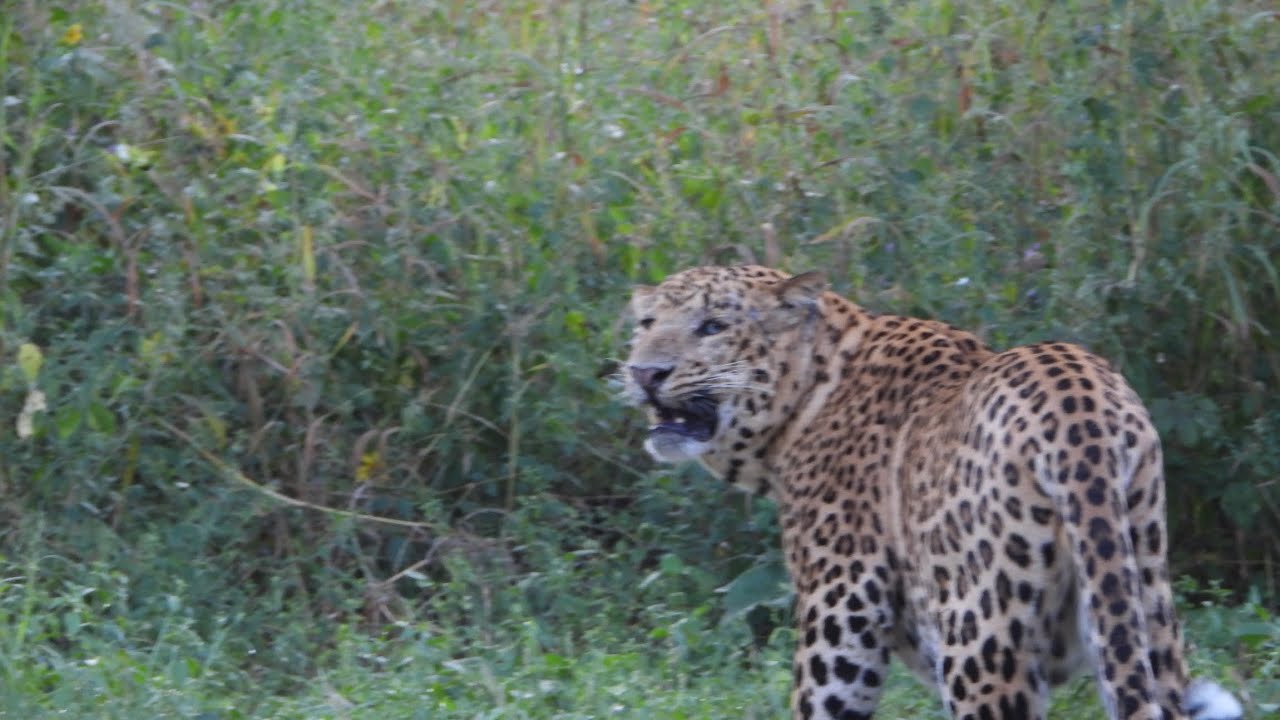
Uttar Pradesh Releases Rs 1 Crore for Pilibhit Leopard Safari
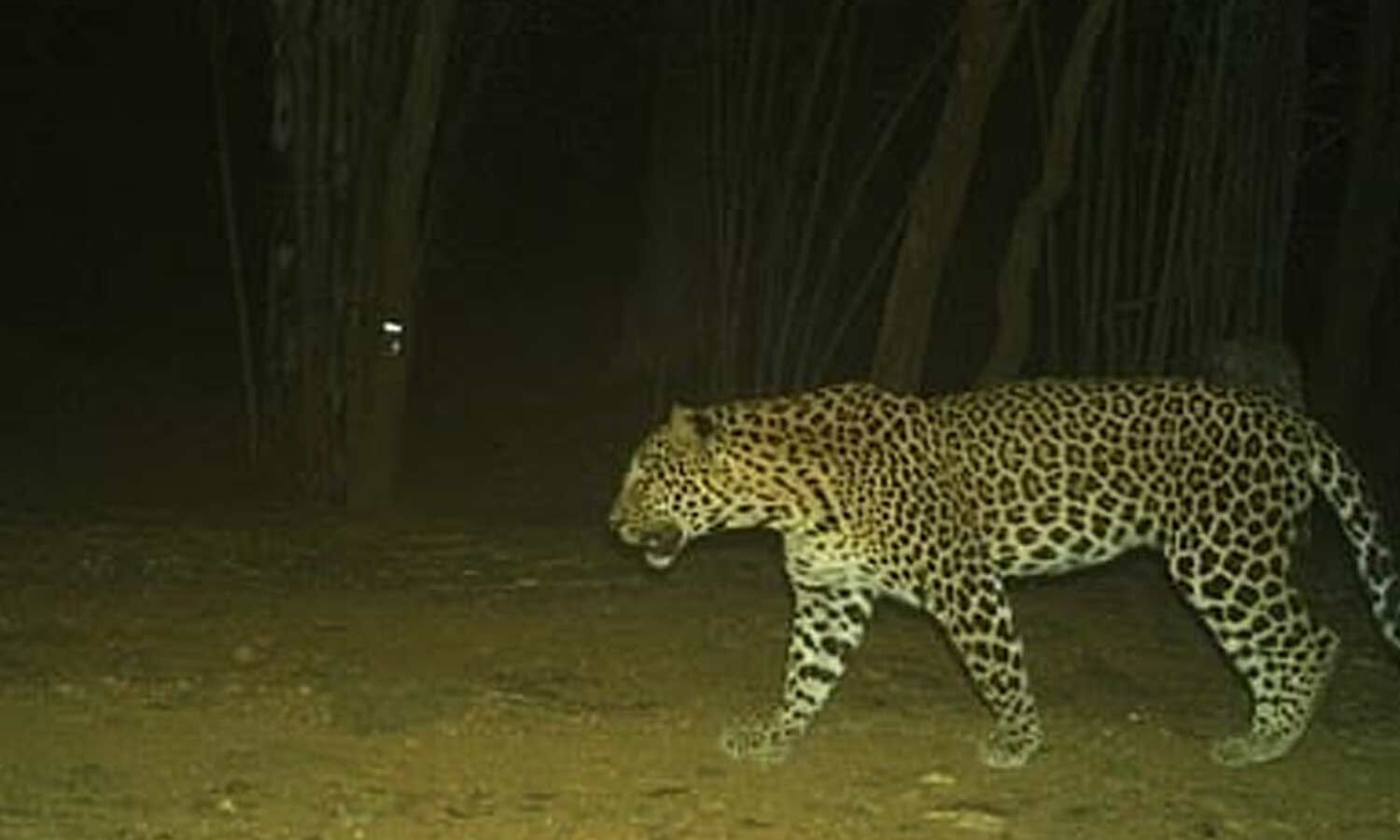
Camera Traps Seek Predator After Goat Deaths in Coimbatore

Odisha Releases First-Year Olive Ridley Turtle Research Report
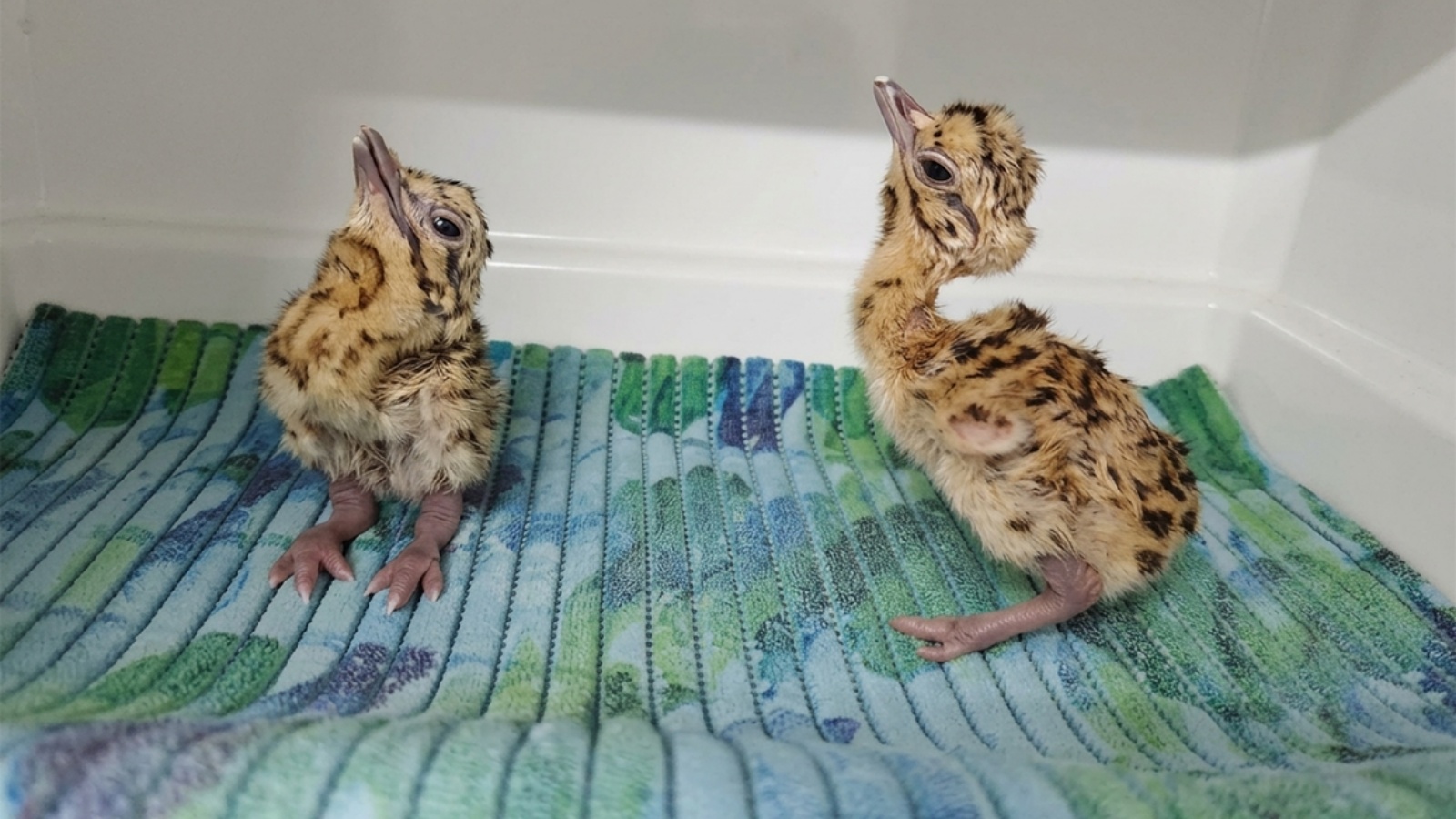
Captive-Bred Great Indian Bustards Prepare for First Wild Release
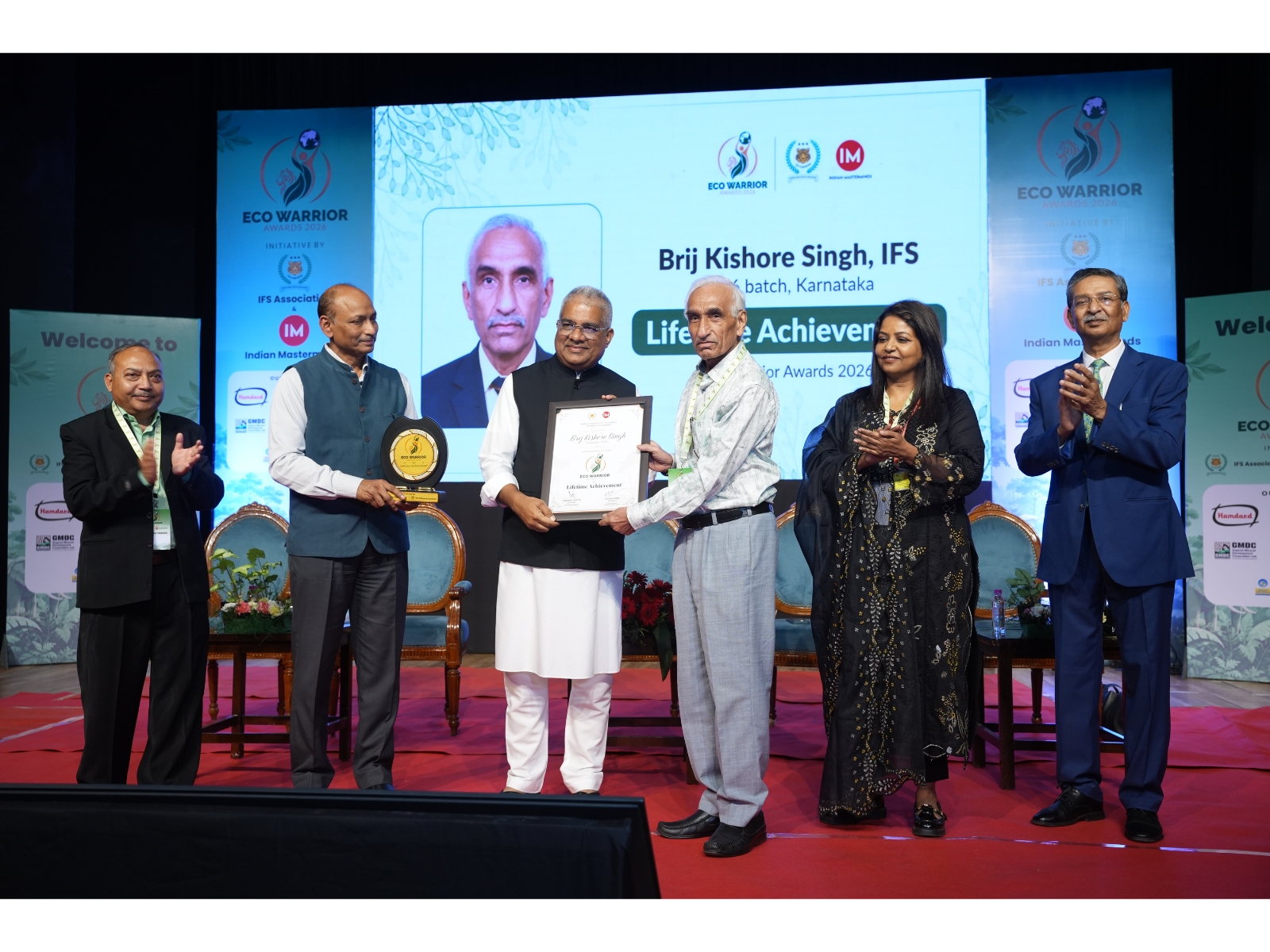
Eco Warrior Awards 2026 Honour India’s Conservation Champions

Himalayan Grey Langur: Mountain Primate Facing Fragmented Habitats