58 mins ago
The UN’s Journey From Purposeful Speeches to Political Pageantry
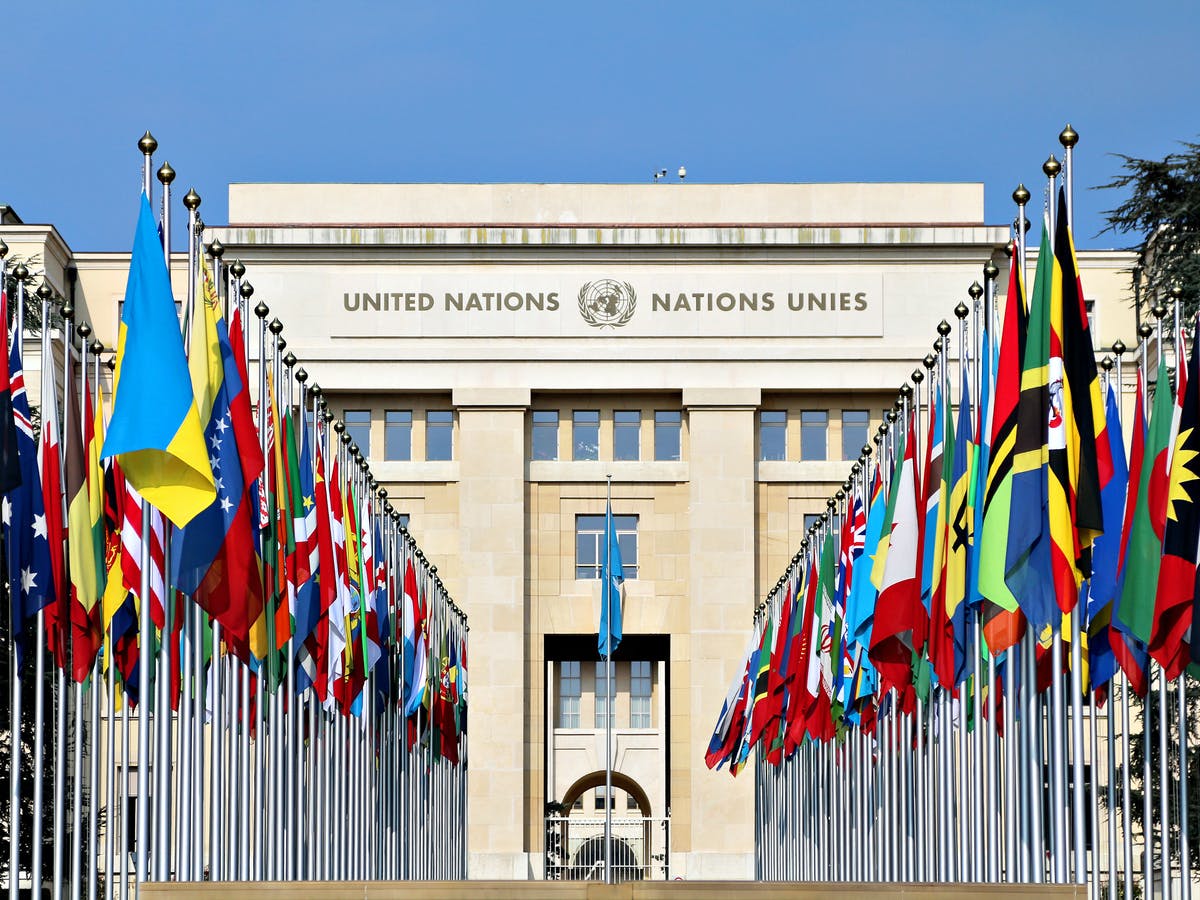
The United Nations was created as a place where countries could discuss and help shape the world.
In the past, famous speeches there represented major struggles such as independence, peace and nuclear danger.
Speakers often argued for very different visions of the future.
Today, leaders still gather at the UN and give speeches.
However, news coverage often focuses on dramatic moments, such as walkouts or applause.
The UN still helps with relief work, peacekeeping, refugees and diplomacy.
Critics say its rules and institutions have not kept up with a changing world.
The article asks whether the UN can do more than produce speeches and make history again.

Earlier UN speeches addressed decolonization, nuclear danger, sovereignty, racial equality and national liberation.
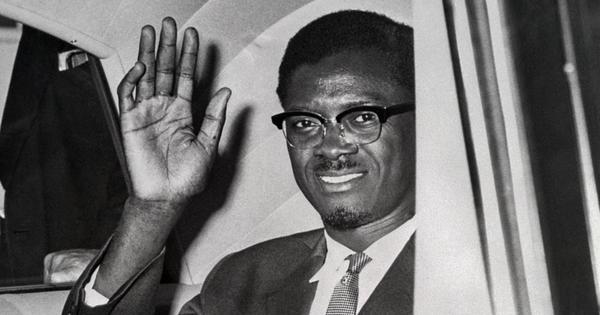
Figures including Jawaharlal Nehru, Dwight Eisenhower, Fidel Castro and Yasser Arafat used the UN podium to advance consequential political visions.
The United Nations remains important in humanitarian relief, peacekeeping, refugee protection, development, international law and diplomacy.
Its institutions have changed less than the world around them, despite decolonization, China’s rise, technological disruption and renewed great-power rivalry.
The article argues that media attention increasingly favors walkouts, applause and gestures over whether UN diplomacy produces concrete consequences.
- Who
- The United Nations, its member-state leaders and diplomats, along with historical figures who used its General Assembly podium.
- What
- An analysis of how UN diplomacy has shifted from consequential political speeches toward media-focused spectacle, while the institution struggles to produce consequences.
- Where
- At the United Nations, especially the General Assembly in New York.
- When
- From the UN’s formative decades after World War II through the present, with particular attention to annual September General Assembly meetings.
- Why
- The article attributes the shift to changing global power, an unreformed institutional structure, repeated diplomatic language and media emphasis on theatrical moments.
Case for the UN’s Continuing Value
Case for Deeper Institutional Change
The UN’s relevance
Case for the UN’s Continuing Value
The United Nations remains indispensable for humanitarian relief, peacekeeping, refugees, development, international law and diplomacy.
Case for Deeper Institutional Change
Its ability to compel powerful states is increasingly limited because its institutional reach no longer matches geopolitical power.
Diplomatic language
Case for the UN’s Continuing Value
Phrases such as “strongly condemn” and “multilateral cooperation” preserve shared commitments and are not entirely meaningless.
Case for Deeper Institutional Change
Repeated, carefully negotiated language can become detached from consequences and lose its political force.
Public attention
Case for the UN’s Continuing Value
Speeches, applause and visible diplomatic gestures can draw attention to international issues.
Case for Deeper Institutional Change
Media emphasis on spectacle can obscure whether diplomacy changes power or whether resolutions are implemented.
Key facts
- Historical examples
- The article cites speeches by Jawaharlal Nehru, Dwight Eisenhower, Nikita Khrushchev, Fidel Castro, Patrice Lumumba, Che Guevara, Yasser Arafat and Mikhail Gorbachev.
- Longest timed speech
- Fidel Castro spoke for 269 minutes, described as the longest timed General Assembly speech in UN history.
- Continuing UN roles
- Humanitarian relief, peacekeeping, refugee assistance, development, international law and diplomacy.
- Institutional problem
- The UN was designed after World War II, but its institutional structure has changed relatively little as global conditions evolved.
- Media focus
- Coverage often emphasizes walkouts, applause, gestures, seating arrangements and facial expressions.
- Central criticism
- The article says the UN suffers less from a shortage of speeches than from a shortage of consequences.
- Core question
- Whether the United Nations can again produce historical change rather than mainly produce speeches and spectacle.
Sources
Related news
Guterres Urges Security Council Reform for Changed World

World Leaders Gather at UN to Address Global Crises
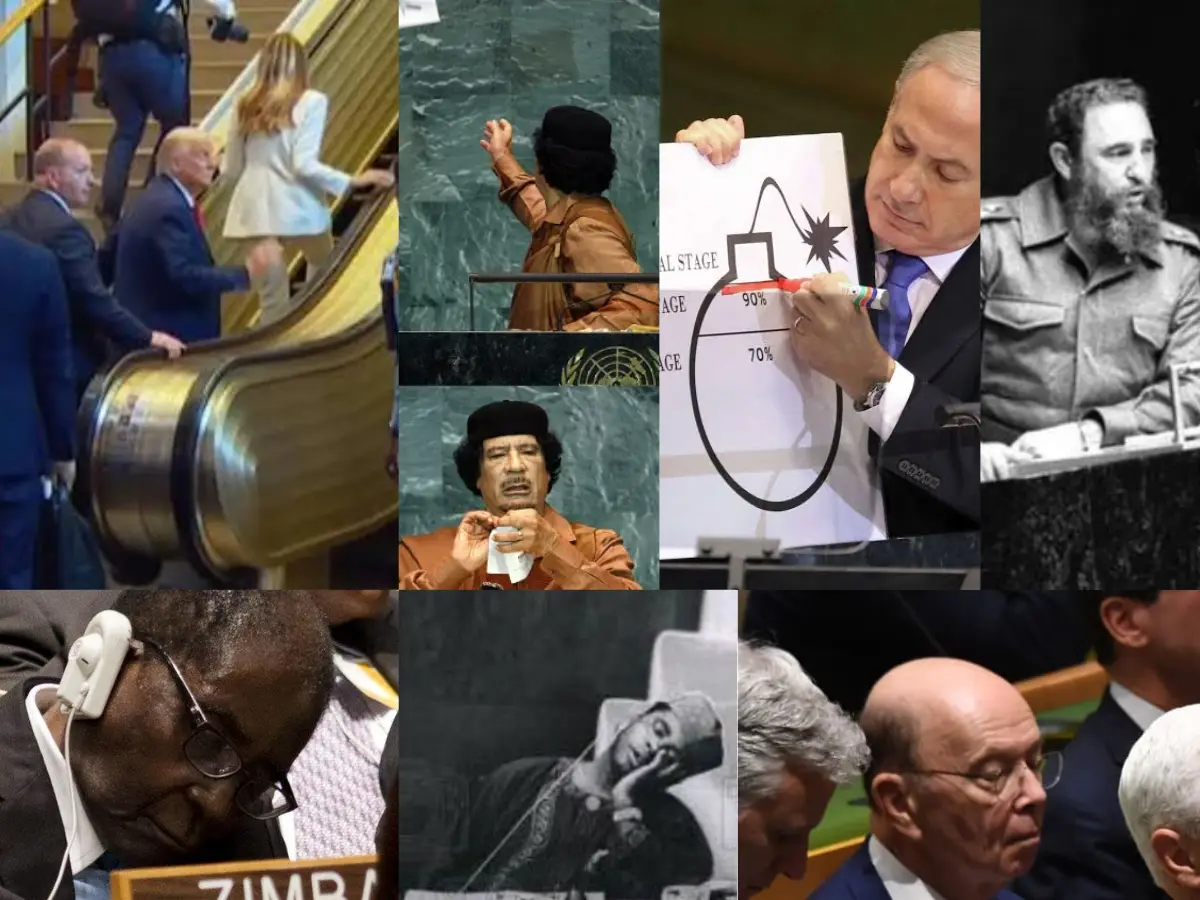
UN General Assembly’s Most Unforgettable Viral Moments
Guterres Backs Modi’s Call to Reform UN Security Council
India’s UN Ambitions Require Clearer Positions on Global Crises

UN Secretary-General Candidate Calls for a More Effective Organisation
Algeria's Amoura Apologizes for Mocking Congo Fan
DR Congo Fan Stands Motionless for Full 90 Minutes

Documentary Explores Jazz, Politics, and Congo's Coup