2 hrs ago
BRICS New Delhi Declaration Urges Dialogue and Multilateralism
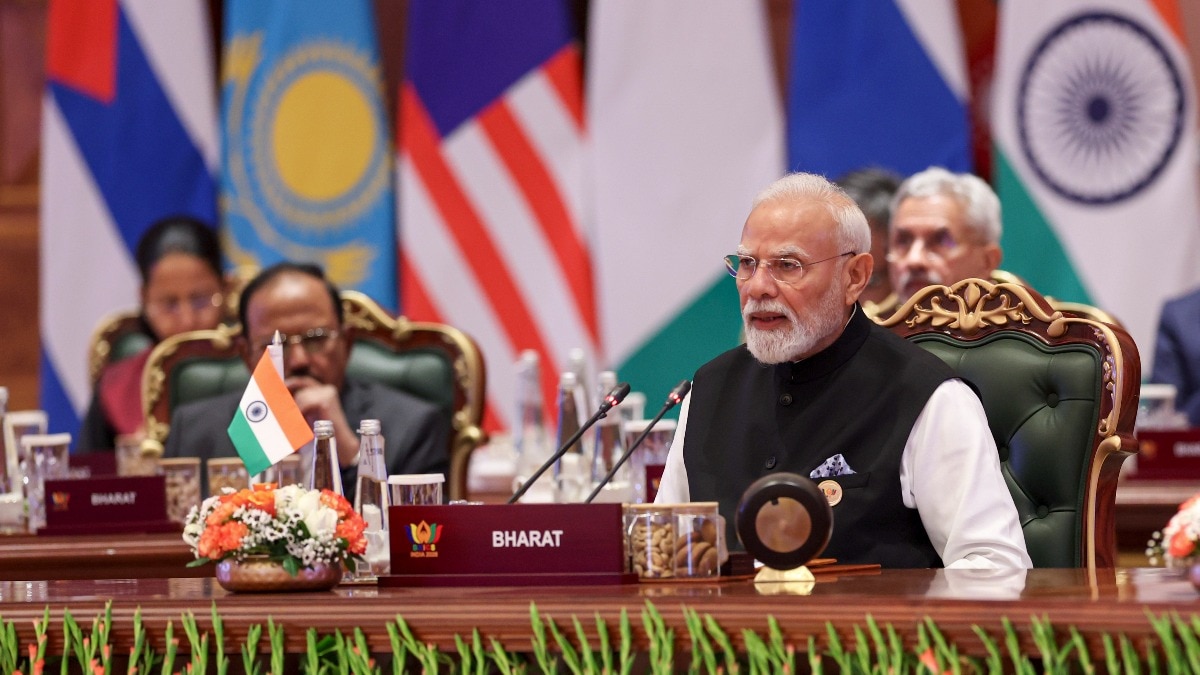
BRICS countries issued a declaration in New Delhi about working together on global problems.
They said countries should try to prevent conflicts by addressing their causes.
They supported solving international disagreements through talks and diplomacy.
The countries also called for cooperation that respects different national views.
They warned that nuclear dangers and conflicts could threaten peace.
BRICS criticized tariffs and other trade barriers imposed by individual countries.
It said some coercive measures do not follow international law.
The group also wants to explore easier ways for members to make cross-border payments.

BRICS stressed conflict prevention by addressing the root causes of conflicts.
The grouping reaffirmed peaceful dispute resolution through dialogue, consultation and diplomacy.
The declaration called for multilateral cooperation that respects different national viewpoints.
BRICS expressed concern about growing nuclear risks and threats to international stability.
The grouping criticized unilateral trade measures and encouraged discussions on cross-border payments.
- Who
- The BRICS member countries.
- What
- They adopted a declaration supporting dialogue, diplomacy, multilateralism, conflict prevention and financial cooperation.
- Where
- In the New Delhi Declaration.
- When
- At the BRICS summit; the exact date is not specified.
- Why
- To address international conflicts, nuclear risks, trade restrictions and challenges in the global financial system.
Key facts
- Declaration
- New Delhi Declaration
- Conflict policy
- Supports prevention, dialogue, consultation and diplomacy.
- Multilateralism
- Calls for cooperation that respects diverse national viewpoints.
- Nuclear concerns
- Expresses concern about growing nuclear danger and conflict risks.
- Trade
- Raises concern about unilateral tariffs and non-tariff measures that distort trade.
- International law
- Condemns unilateral coercive measures described as contrary to international law.
- Financial cooperation
- Encourages continued discussions on practical cross-border payment solutions.
Sources
Related news

BRICS Adopts New Delhi Declaration, Rejects Tariffs and Sanctions

BRICS Declaration Rejects Tariffs, Condemns Terrorism, Addresses West Asia

BRICS Adopts Delhi Declaration Criticizing Unilateral Tariffs
BRICS Unanimously Adopts New Delhi Declaration 2026 at 18th Summit
BRICS Reaches New Delhi Consensus Despite Iran-UAE Divisions
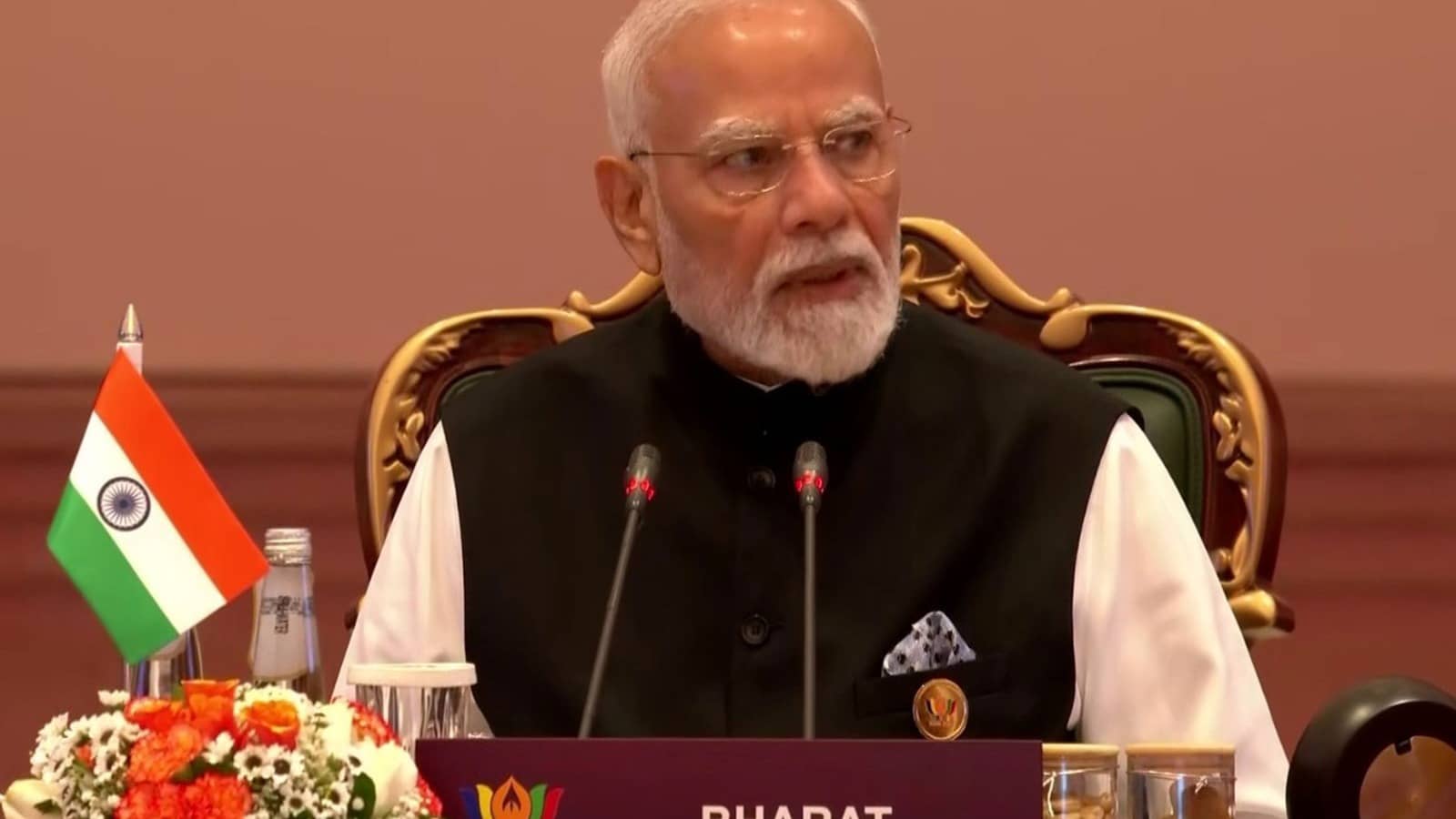
BRICS New Delhi Declaration Urges Restraint Amid West Asia Tensions
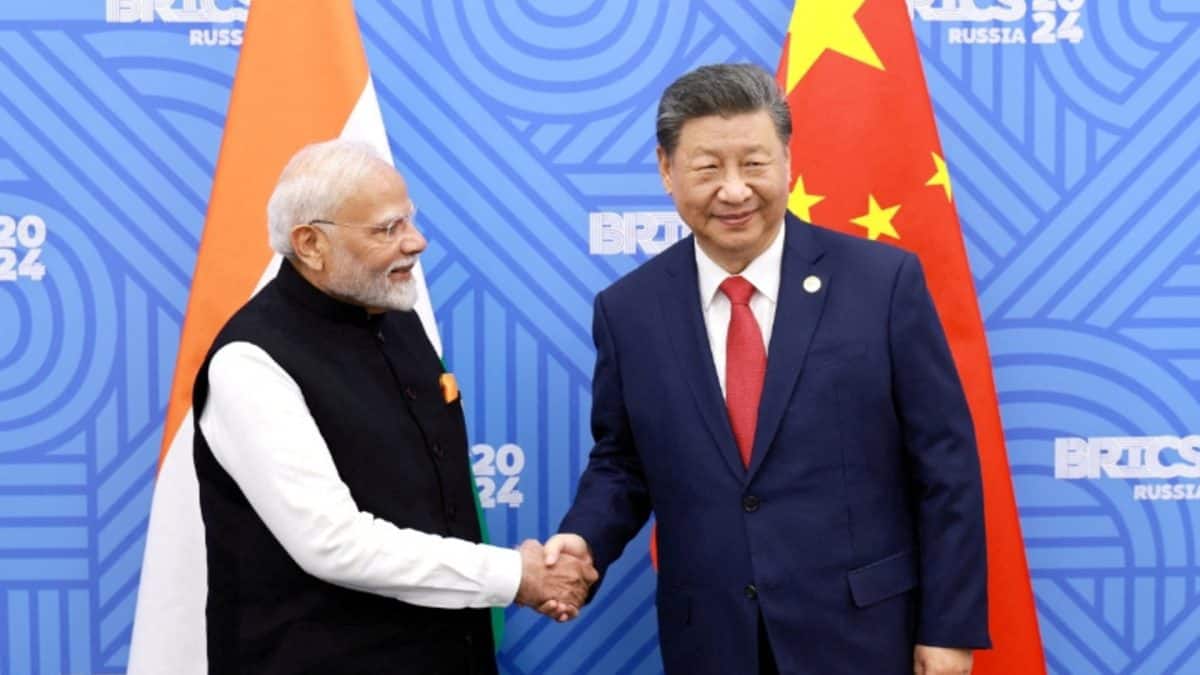
Modi, Xi Hold Bilateral Talks During India-Hosted BRICS Summit

From Chemical Engineer to Diplomatic Companion: Zahra Pezeshkian Profile

Modi Welcomes World Leaders Against Ramanathaswamy Temple Backdrop
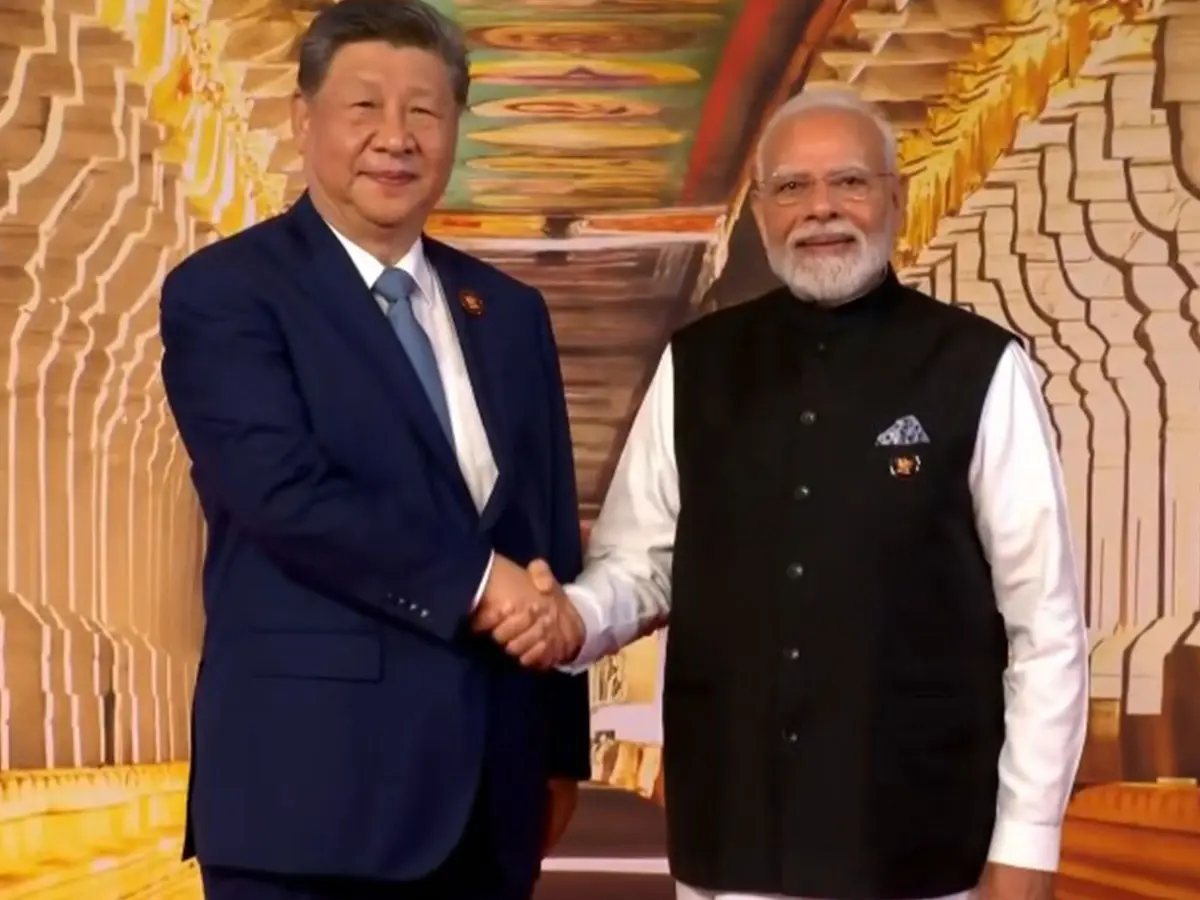
Modi, Xi Hold First Bilateral Talks in India Since 2019