4 hrs ago
India’s Cities Poised for Growth Despite Infrastructure and Pollution Strains
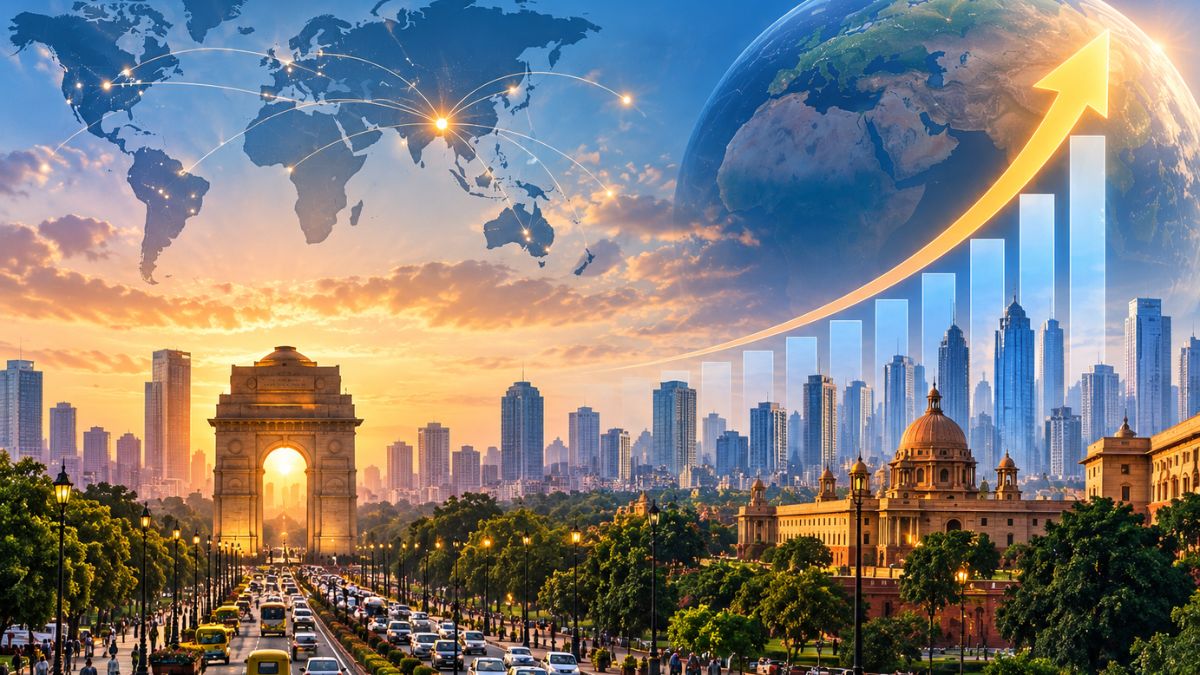
A new report says Indian cities could become much more important to the world economy by 2050.
Delhi is not currently in the world’s top 100 cities overall, but its economy could grow by $1.8 trillion.
Bengaluru is already a large technology center and is growing very quickly.
Other cities, including Coimbatore, Surat and Thrissur, are also gaining economic importance.
More Indian cities are moving into industries such as technology, manufacturing and financial services.
Many new wealthy households are expected to appear in India and China.
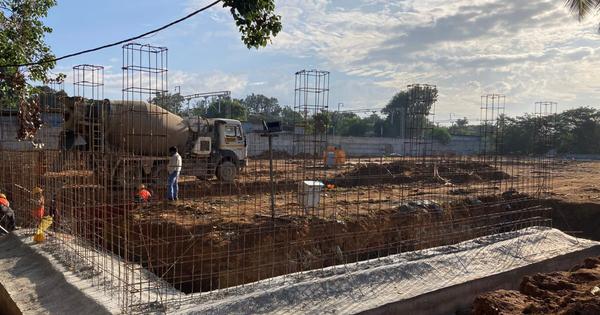
However, fast growth is causing traffic, housing, pollution and public transport problems.
The challenge is to make cities grow while also keeping them healthy and livable.

Delhi ranks 268th among 1,000 cities but is projected to add $1.8 trillion in GDP by 2050.
Bengaluru has more than doubled its population to over 14 million and is becoming a major technology hub.
Oxford Economics expects India and China together to surpass Europe’s share of global city GDP by 2050.
Ninety-one Indian cities appear in Oxford Economics’ ranking, including emerging centers such as Coimbatore and Surat.
Rapid growth is increasing pressure on infrastructure, housing, transport, air quality and quality of life.
- Who
- Delhi, Bengaluru and other Indian cities, as assessed by Oxford Economics.
- What
- The report projects major economic growth for Indian cities through 2050, especially Delhi and Bengaluru.
- Where
- Across India, including Delhi, Bengaluru, Coimbatore, Surat, Jaipur, Nagpur, Vadodara, Visakhapatnam and Thrissur.
- When
- The projections cover 2025 to 2050, with some growth forecasts extending through 2030.
- Why
- Growth is being driven by expanding technology, advanced manufacturing, financial services, business services, productivity and consumer markets.
Growth Opportunity
Urban Pressure
Economic expansion
Growth Opportunity
The report projects trillions of dollars in additional output, faster-growing city economies and a larger role for Indian cities in global technology, business and financial services.
Urban Pressure
Economic growth is occurring alongside infrastructure problems, including congestion, housing shortages, strained public transport and poor air quality.
Urban transformation
Growth Opportunity
Growth is spreading beyond Delhi, Mumbai and Bengaluru to cities such as Coimbatore, Surat, Jaipur, Nagpur, Vadodara, Visakhapatnam and Thrissur.
Urban Pressure
Smaller and larger cities alike may struggle to ensure that infrastructure, environmental conditions, human capital and quality of life keep pace with economic expansion.
Key facts
- Delhi’s current ranking
- 268th among 1,000 cities in Oxford Economics’ index
- Delhi’s projected GDP addition
- $1.8 trillion in nominal GDP between 2025 and 2050
- Bengaluru’s 2025 GDP
- Approximately $314 billion
- Bengaluru’s 2025 population
- Approximately 14.5 million
- Indian cities ranked
- 91 Indian cities feature among the 1,000 cities assessed
- High-income households
- Nearly two in five new high-income households globally are expected to come from India and China
- Thrissur’s global ranking
- 477th among 1,000 cities
Sources
Related news
India’s Cities Lead Global Growth, While Quality Of Life Lags
Oxford Index Highlights Delhi, Bengaluru Among Rising Global Cities
India’s Path to a $55 Trillion Economy by 2047

Mumbai Real Estate Leaders Set Ambitious 2030 Growth Roadmap

India's Economic Growth Targets Viksit Bharat Dream

Ajit Doval Projects India’s GDP Reaching $38 Trillion

Bengaluru Property Owners Face New Software Fee Alongside Tax

46-Year-Old Man Found Dead Inside Luxury Car Bengaluru
Naidu Calls for Green, Regenerative Growth in Indian Cities

Karnataka FDA Cancels 16 Drug Licences Over Spurious Medicines

Two Arrested With MDMA Worth ₹30,000 In Nellore