1 hr ago
Electoral Roll Revision Needs Transparency and Stronger Voter Safeguards

Voter lists help decide who can vote in an election.
India’s Election Commission is updating these lists.
The article says many people’s names are missing from draft lists, and some eligible voters may have trouble getting their names back.
It also reports problems in several states and disagreements within the Commission.
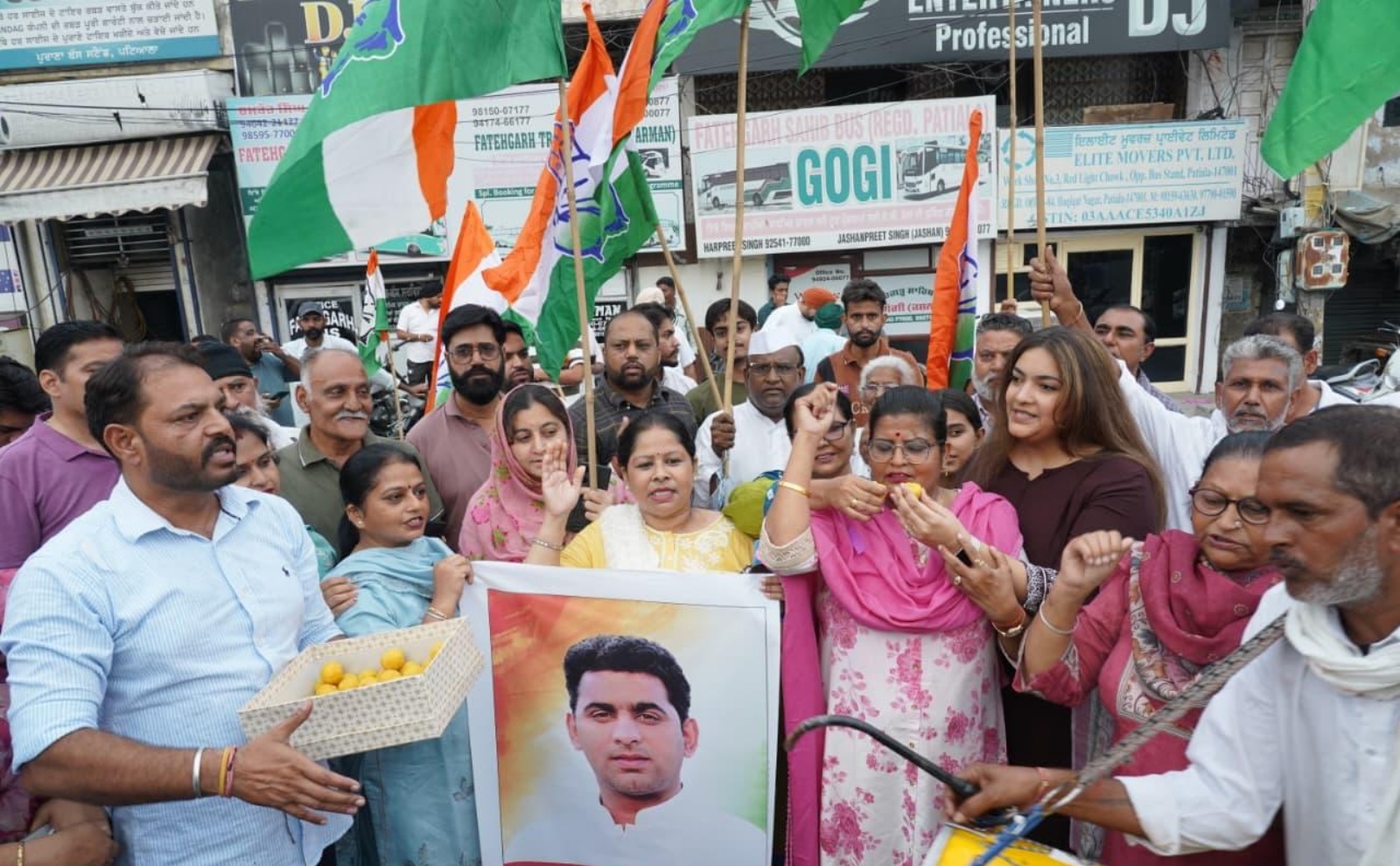
Congress says the process is unfair and is protesting.
The article says the Commission should explain its decisions and fix mistakes quickly.
People should have an easy way to prove they can vote.
The writer argues that fair voter lists and public trust are both important.

The article argues that the Election Commission of India’s Special Intensive Revision needs transparent oversight and stronger protections for eligible voters.
It says draft rolls reportedly omitted crores of names, while mapping voters to the 2002 rolls has created difficulties.
In Telangana, 73,39,235 people were absent from draft rolls; reported classifications included deceased, absent, shifted and duplicate registrations.
The article cites cases in Goa and West Bengal where people found eligible reportedly faced difficulties restoring their names or had missed voting.
Congress alleges irregularities and plans to continue protests; the article calls for explanations, prompt corrections and accessible complaint procedures.
- Who
- The Election Commission of India, eligible voters, and the Congress party.
- What
- A commentary calls for transparent review and stronger safeguards during the Special Intensive Revision of electoral rolls.
- Where
- India, with examples discussed from Telangana, Goa and West Bengal.
- When
- During the ongoing Special Intensive Revision; no specific date is given.
- Why
- The writer says reported voter-list omissions, difficulties correcting errors and concerns about the Commission’s processes could undermine eligible citizens’ voting rights and public confidence.
Concerns raised in the article
Administrative rationale and safeguards
Updating electoral rolls
Concerns raised in the article
The article argues that the SIR process risks excluding eligible voters and requires independent scrutiny and transparent explanations.
Administrative rationale and safeguards
The article acknowledges that removing deceased voters, identifying duplicate registrations and updating records for people who have permanently moved are necessary parts of maintaining electoral rolls.
Deleting and correcting names
Concerns raised in the article
The writer says cases in Goa and West Bengal show that eligible voters can face obstacles when names are wrongly removed, and that deletion complaints could be misused.
Administrative rationale and safeguards
The article says roll revisions and Form 7 deletion complaints are part of the process, but calls for impartial examination and adequate safeguards; it does not include a response from the Election Commission.
Key facts
- Exercise
- Special Intensive Revision (SIR) of electoral rolls
- Telangana registered voters before SIR
- 3,38,26,448
- Telangana enumeration forms submitted
- 2,64,87,213
- Telangana names absent from draft rolls
- 73,39,235
- West Bengal tribunal appeals
- 22 lakh people appealed; 1.22 lakh cases had been examined, and 1.14 lakh individuals were found eligible, according to the article.
- Goa deletion inquiry
- An inquiry reportedly found that 97 people whose names were deleted were eligible voters.
- Congress position
- The article says Congress plans to continue nationwide protests until Chief Election Commissioner Gyanesh Kumar resigns.
Sources
Related news
Tharoor Urges India to Rethink or Abandon Voter Roll Revision
Congress Challenges EC’s Piecemeal SIR Measures, AI and ECINet
India's Controversial Electoral Roll Revision Faces Internal and Public Scrutiny

Congress Demands SIR Suspension and CEC Gyanesh Kumar’s Resignation

Two Election Commissioners Raise 14 Objections Over SIR Decisions
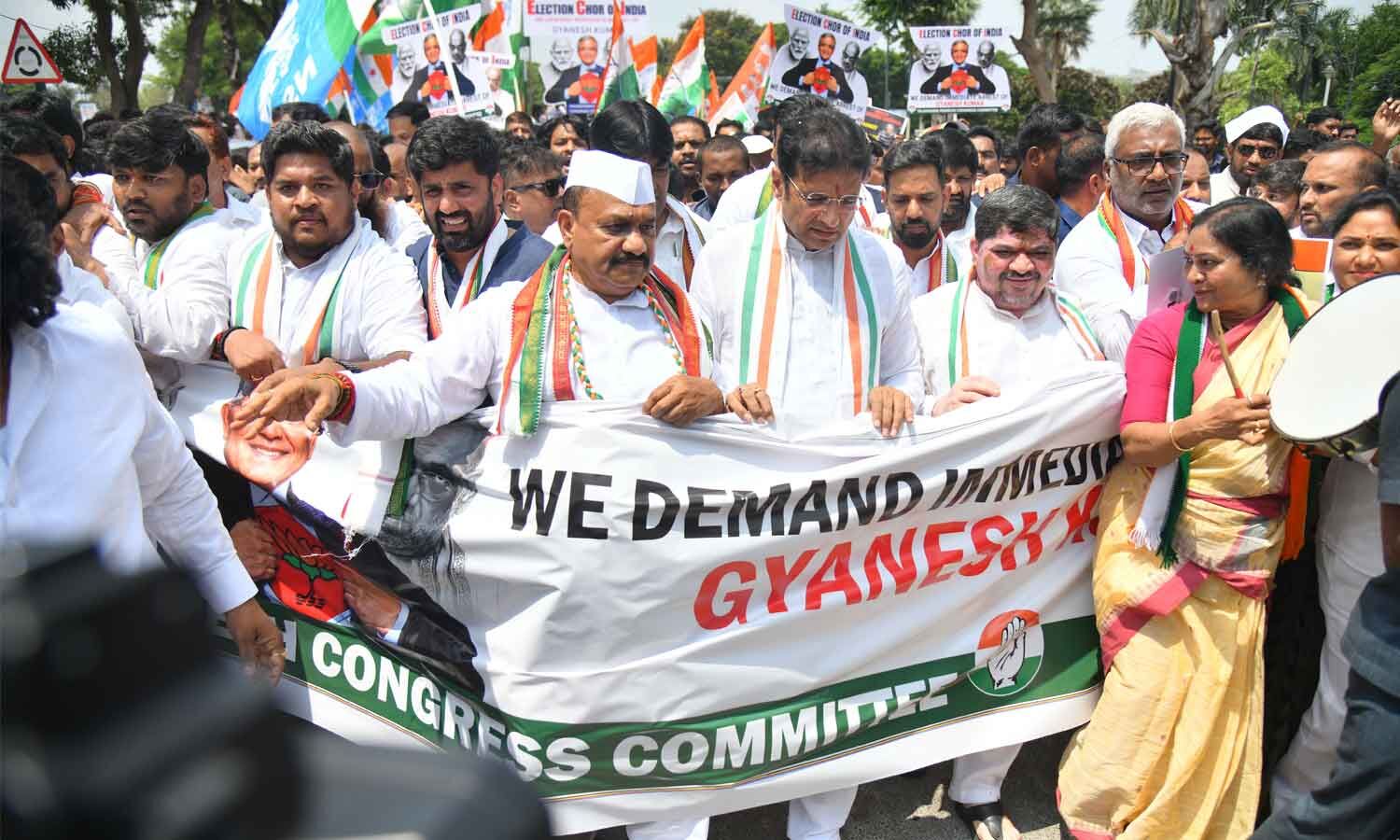
Telangana Congress Protests, Demands CEC Gyanesh Kumar Resign
Delhi BJP Chief Demands Kharge Apologise to Modi
Madhya Pradesh OBC Quota Setback Fuels Anger Among Job Aspirants
TV Channels Cast Delhi Protests as Anarchy, Overlook Journalist Detentions
Court-Ordered Punjab Repolls Put AAP Under Pressure Before 2027