1 hr ago
Visegrad Four Backs India’s Permanent UN Security Council Bid
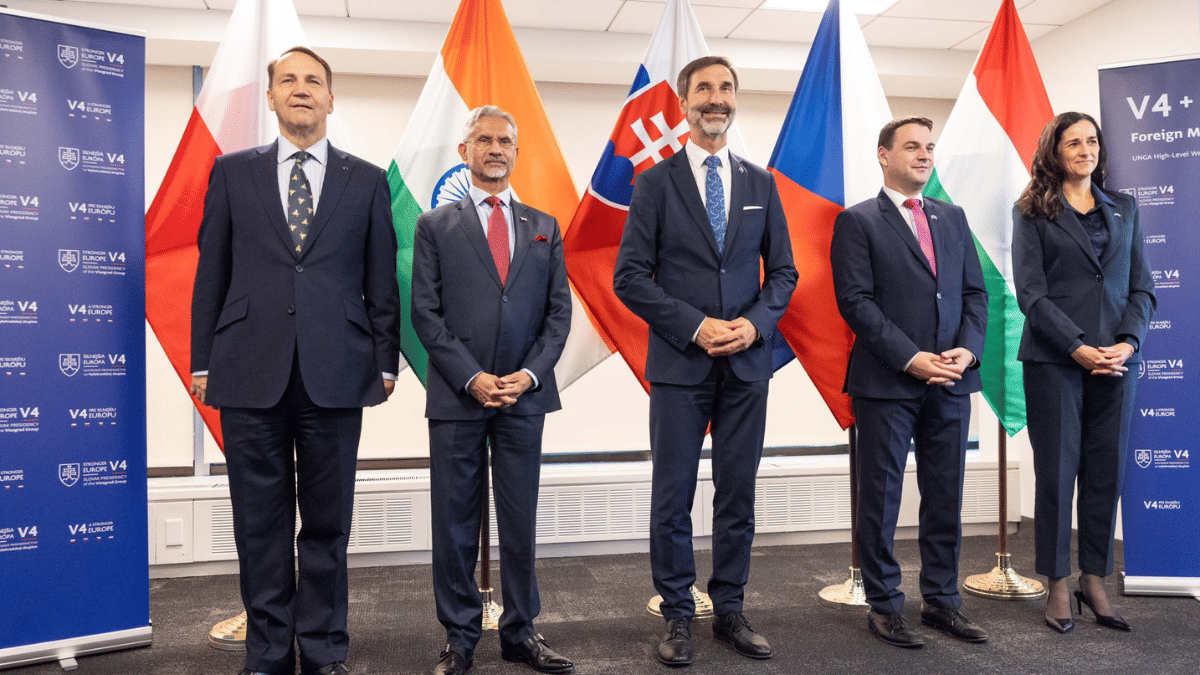
The Visegrad Group is a partnership of Poland, Hungary, the Czech Republic and Slovakia.
These four countries said they support India getting a permanent seat on the United Nations Security Council.
Their foreign ministers met with India’s foreign minister in New York.
The group began in 1991 after communism ended in Central Europe.
Its members work together on trade, defence, energy and other issues.
However, they do not always agree, especially about refugees and Russia’s war against Ukraine.
India has mostly focused on Western Europe but is now paying more attention to Central Europe.
India hopes closer cooperation with the V4 will create new opportunities in technology, defence and business.

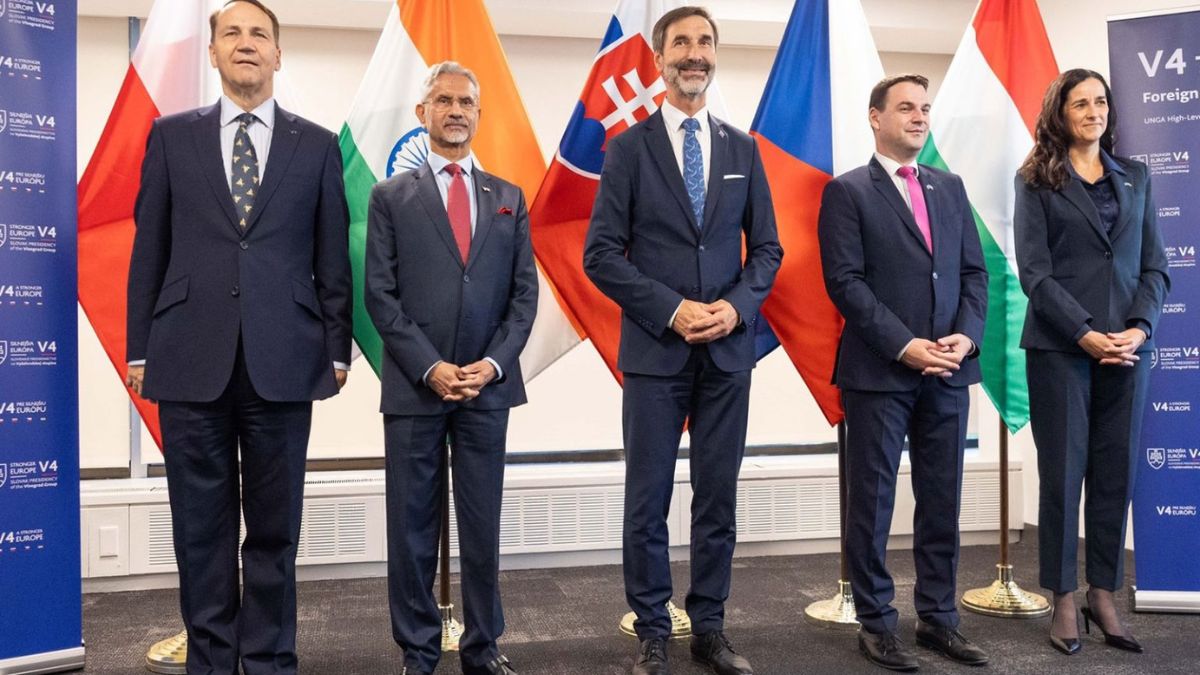
Poland, Hungary, the Czech Republic and Slovakia endorsed India’s bid for a permanent UN Security Council seat.
The endorsement came at the first V4-India foreign ministers’ meeting during the 81st UN General Assembly in New York.
The Visegrad Group was revived in 1991 and expanded to four members after Czechoslovakia split in 1993.
The bloc has major economic, defence and nuclear-energy cooperation, but remains divided over migration and Russia’s war in Ukraine.
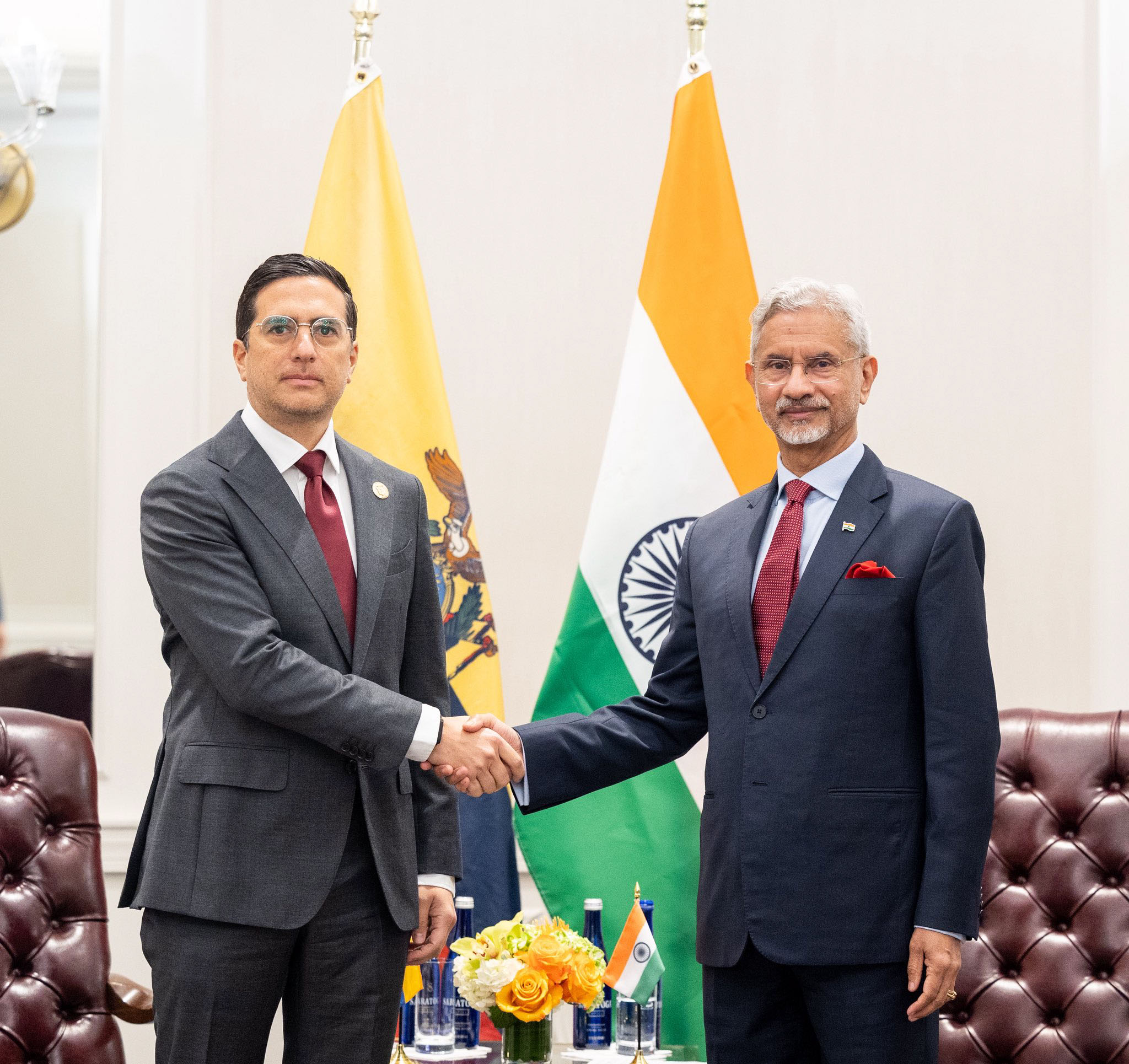
India is expanding ties with the V4 in defence, manufacturing, innovation, digital governance, trade and education.
- Who
- India and the four Visegrad Group members: Poland, Hungary, the Czech Republic and Slovakia.
- What
- The V4 countries endorsed India’s bid for a permanent seat on the United Nations Security Council and discussed closer cooperation.
- Where
- New York.
- When
- At the inaugural V4-India Foreign Ministers’ Meeting during the 81st session of the UN General Assembly.
- Why
- The V4 countries said India, as part of the Global South and an emerging Indo-Pacific power, should have a permanent place at the UN Security Council; India is also seeking deeper Central European partnerships.
Closer Strategic Cooperation
Internal V4 Differences
India’s UN Security Council bid
Closer Strategic Cooperation
All four Visegrad countries support India becoming a permanent UN Security Council member because they view it as an important Global South and Indo-Pacific power.
Internal V4 Differences
The articles do not identify a V4 member opposing India’s bid; however, the bloc’s broader record shows that its members do not always coordinate on foreign-policy issues.
Russia’s war in Ukraine
Closer Strategic Cooperation
Poland and the Czech Republic have been described as strong supporters of Ukraine and critical of Russian aggression.
Internal V4 Differences
Hungary under Viktor Orbán and Slovakia under Robert Fico have resisted complete support for Kyiv and have sometimes echoed claims that NATO provoked the war.
European migration policy
Closer Strategic Cooperation
Poland supported the asylum-quota system proposed during the 2015 migration crisis.
Internal V4 Differences
The Czech Republic, Hungary and Slovakia opposed the mandatory refugee quota, criticizing it as pressure from Berlin and Brussels.
Key facts
- V4 members
- Poland, Hungary, the Czech Republic and Slovakia
- India’s representative
- External Affairs Minister S. Jaishankar
- Group founded
- 15 February 1991, in Visegrad, Hungary
- EU membership
- All four members joined the European Union on 1 May 2004
- Combined economic position
- The bloc ranks fourth in the European Union by GDP and eighth globally in international trade
- India’s regional outreach
- Cooperation focuses on defence, logistics, manufacturing, innovation, digital governance, trade and education
- Major internal division
- Members differ over support for Ukraine and responses to Russia’s war
Quotes

Juraj Blanár
Slovak foreign minister who spoke after the V4-India ministerial meeting
“We all agree as V4 countries that India, as a part of the Global South, an upcoming superpower in the Indo-Pacific region, must be at the table as a permanent member of the UN Security Council”
 theprint.in
“wouldn’t make sense that we differ in the views of the cause of the Russian aggression against Ukraine and the ways of solving it.”
theprint.in
Central European Institute of Asian Studies
Research institute whose report assesses India’s engagement with the Visegrad Group
“A formal V4+India Dialogue, regular 1.5 Track meetings, and sectoral cooperation platforms—focused on green technology, digital governance, defence, and education—are necessary to structure the relationship and deliver tangible outcomes”
theprint.in
Sources
Related news
Visegrad Group Backs India’s Permanent UN Security Council Bid
India, Visegrad Group Deepen Cooperation at Historic First Meeting
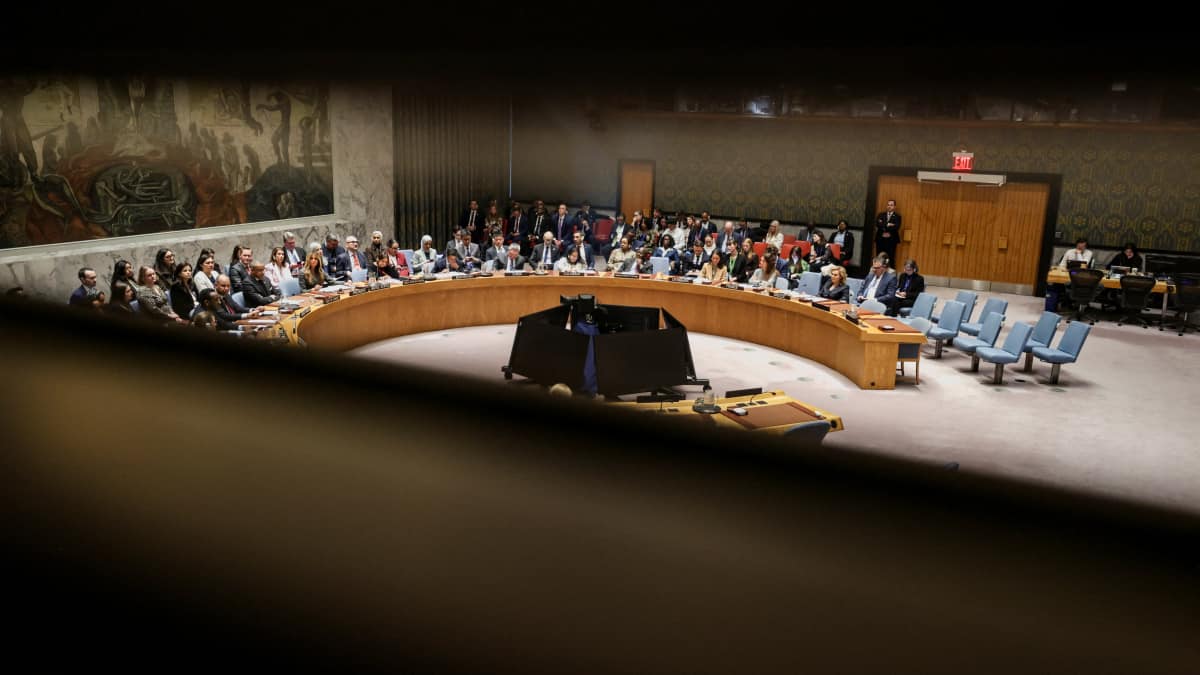
India Gains UNSC Backing, But Permanent Seat Remains Elusive
Jaishankar, Polish Leaders Discuss Strategic Partnership And Global Conflicts
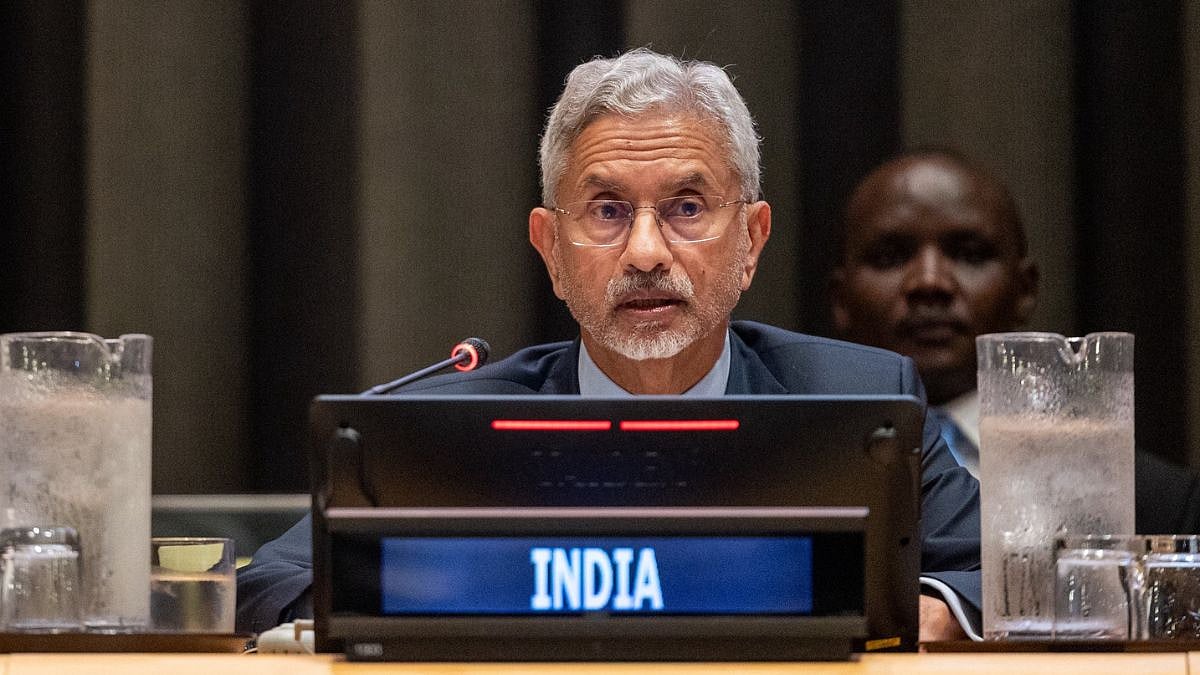
Jaishankar Holds UNGA Talks on Ukraine, Cooperation and Multilateralism
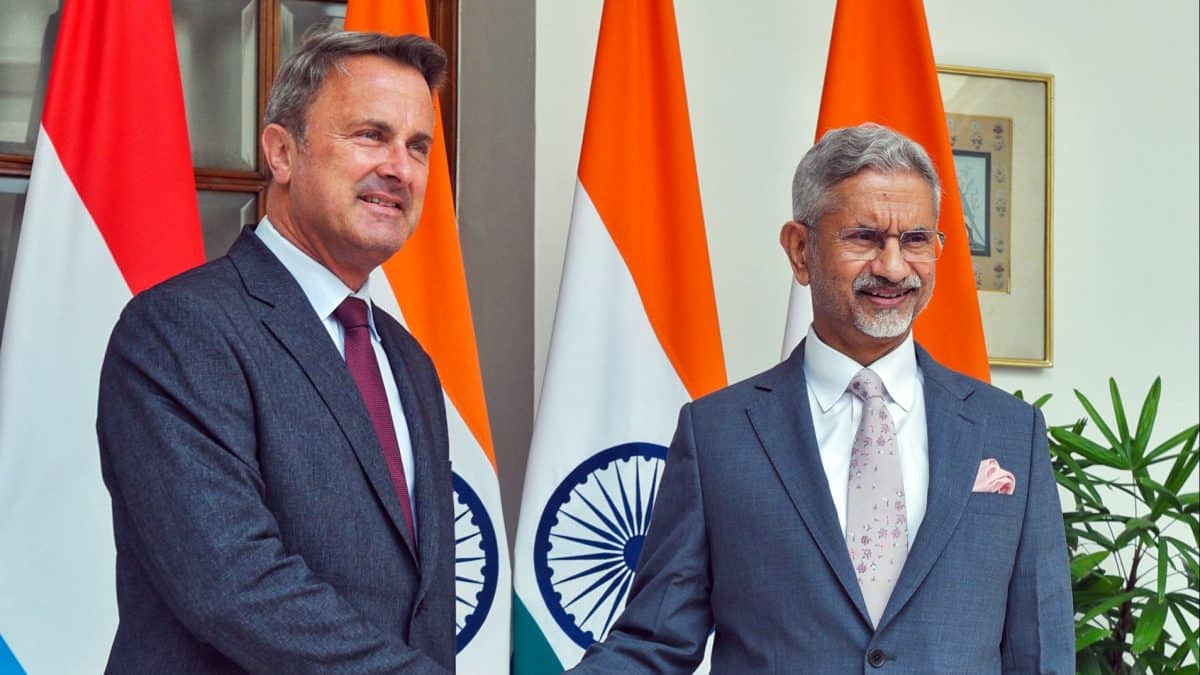
Luxembourg Backs India’s Permanent Seat, Urges UN Veto Reform
Jaishankar Urges Cooperation and Guardrails Amid Global Order Stress
Jaishankar Calls for Reformed Multilateralism at UN General Assembly