

1 week ago
Iceland Votes on Restarting Talks to Join European Union

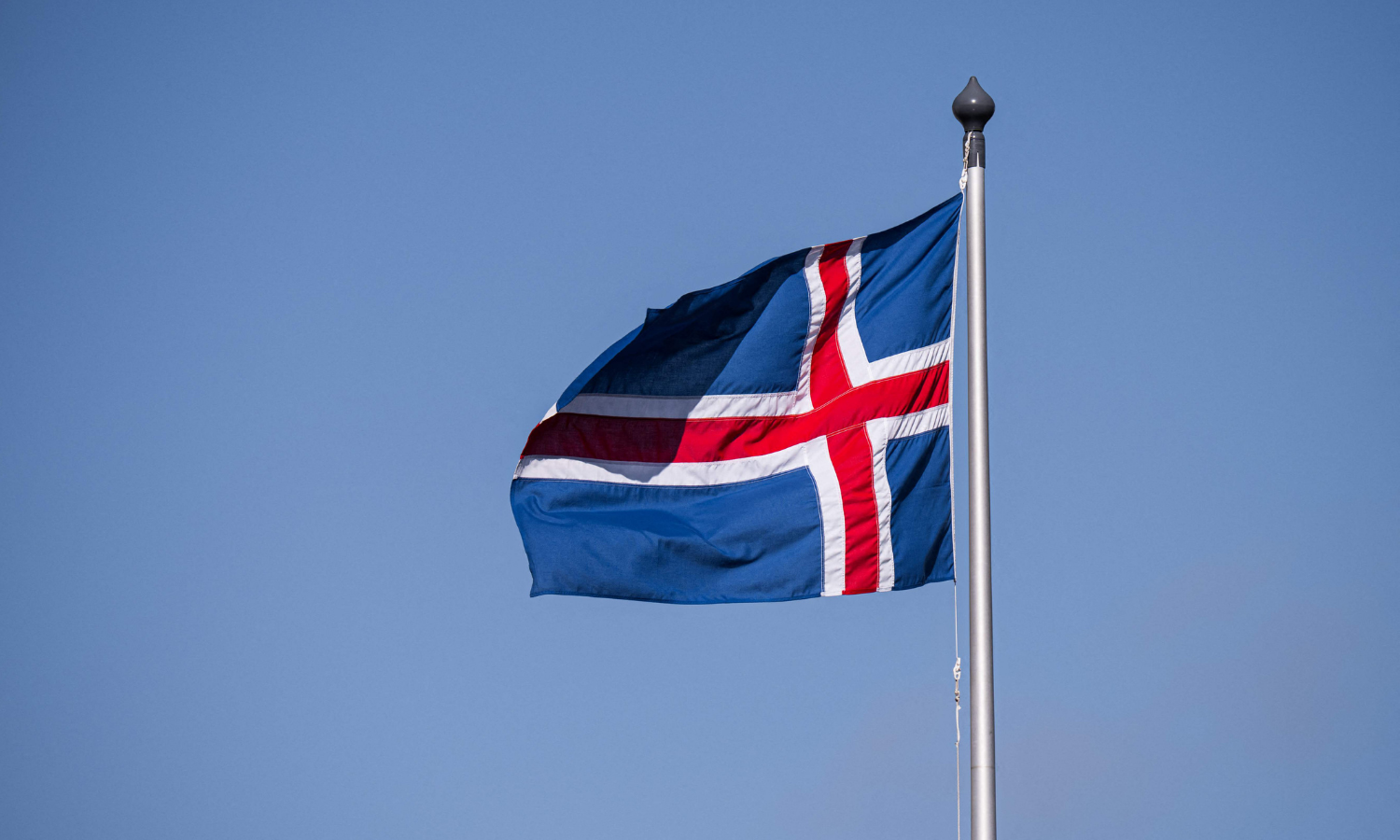
People in Iceland are voting on whether to start talking with the European Union about joining it.
This vote would not make Iceland an EU member right away.
A yes vote would begin negotiations that could last for years.
After those talks, Icelanders would still get a final vote on membership.
Supporters think Europe could make Iceland safer and bring economic benefits.
Opponents worry Iceland would lose some control over its laws and fishing waters.
Fishing is very important to Iceland’s economy and culture.
The debate became more urgent after Donald Trump repeatedly talked about taking Greenland.
Iceland already works closely with Europe through trade and passport-free travel agreements.

Icelanders will vote on whether to resume negotiations for European Union membership.
A yes vote would begin a yearslong process, while a no vote would end the issue.
Supporters say EU membership could improve security, economic stability, and protection from geopolitical uncertainty.
Opponents emphasize Iceland’s independence and control over its natural resources, especially fisheries.
Fishing rights remain a major concern because EU rules could allow foreign vessels into Icelandic waters.
- Who
- Icelandic voters, the Icelandic government, EU supporters, and EU opponents.
- What
- A referendum on whether Iceland should restart accession negotiations with the European Union.
- Where
- Iceland.
- When
- Saturday; the article does not provide a specific date.
- Why
- Voters are weighing sovereignty and fisheries control against potential security and economic benefits from closer European ties.
EU Supporters
EU Opponents
Sovereignty and security
EU Supporters
Supporters argue that being outside the EU could leave Iceland vulnerable in a changing and unstable geopolitical environment, while membership could strengthen its sovereignty through collective action.
EU Opponents
Opponents say Iceland already enjoys the benefits of European integration without surrendering its ability to make its own laws and decisions.
Economic consequences
EU Supporters
Supporters point to possible benefits including the more stable euro currency, lower interest rates, and lower inflation.
EU Opponents
Opponents argue that Iceland is already doing well independently and need not accept the disadvantages of EU membership.
Fishing rights
EU Supporters
EU-supporting officials say negotiations could secure an exemption protecting Iceland’s full control over its fisheries.
EU Opponents
Fishing-industry skeptics warn that EU protections may not last and that European vessels could eventually fish in Icelandic waters, particularly around migratory species.
Key facts
- Referendum question
- Whether Iceland should resume accession negotiations with the European Union.
- Result of yes vote
- Years of negotiations would begin, followed by approval from all EU members and a final Icelandic vote.
- Result of no vote
- The issue would be put to rest.
- Iceland’s existing European ties
- Iceland participates in the EU single market through the European Economic Area and belongs to the Schengen free-travel zone.
- Previous accession process
- Iceland applied in 2009; talks were suspended in 2013 and formally ended in 2015.
- Main negotiating concern
- Iceland’s control over its fisheries and the possible application of the EU Common Fisheries Policy.
- EU assessment
- The European Commission would assess 35 areas, including finance, fisheries, transport, agriculture, and civil freedoms.
Quotes

Thorgerdur Katrín Gunnarsdóttir
Iceland’s foreign and defense minister and an EU membership supporter.
“We can’t really trust the U.S. anymore. Trump was not joking about Greenland. There was a lot of fear here in Iceland because if he takes Greenland with force, we’re probably going to be next.”
 deccanchronicle.com
“The independence of Iceland is the most precious resource that we have. The possibility of making your own law and deciding how things are done is essential.”
deccanchronicle.com
Sources
Related news

Icelanders Vote on Restarting European Union Membership Talks
Iceland Votes on Restarting European Union Membership Talks

Iceland Referendum Weighs European Union Talks Against Fisheries Sovereignty
Iceland Rejects EU Talks, Putting Membership Debate On Ice
Iceland’s EU Talks Referendum Remains Too Close to Call

Iceland Votes in Tight Referendum on Reopening EU Membership Talks

Bhavana Reddy Brings Kuchipudi Performances to Iceland, Germany