2 hrs ago
High-Protein Labels Can Mask a Snack’s Overall Nutrition
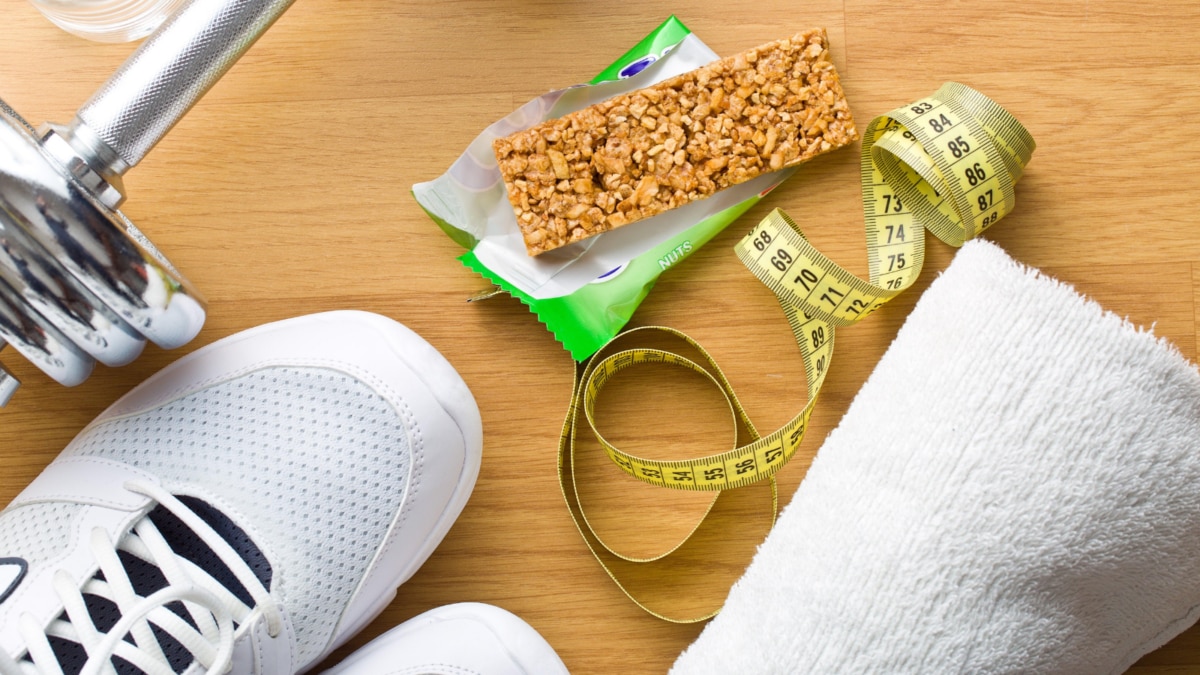
Protein can be useful for muscles, recovery and feeling full.
But seeing “20 grams of protein” does not automatically make a snack healthy.
A new study tested how people judged foods with and without high-protein labels.
The label sometimes made people think high-calorie foods had less sugar and fewer calories than they really did.
Some people also thought high-protein foods had more additives and were more processed.
Another study found that people preferred the image of a protein cereal even though it had more sugar, sodium and calories.
Two snacks can both contain 20 grams of protein but have very different nutrition.
To choose wisely, check the whole nutrition label and the ingredients list.
Look especially at fibre, added sugar, saturated fat, sodium and calories.

A September 2026 study found high-protein labels did not create a uniform health halo across all foods.
Participants sometimes viewed high-protein products as containing more additives and being more industrially processed.
For higher-calorie foods, the label made participants perceive lower calorie and sugar content than the products actually had.
A 2024 cereal study found protein-labelled cereal was viewed as healthier despite containing more sugar, sodium and calories when servings were standardized.
Twenty grams of protein indicates protein content, but says nothing by itself about fibre, sugar, saturated fat, sodium, calories or processing.
- Who
- Researchers Carla Capuano, François Durand and Théo Besson studied how 218 participants interpreted high-protein food labels.
- What
- The research examined whether “high-protein” claims create a health halo and found that their effects depend on the food and the consumer.
- Where
- The main research appeared in Food Quality and Preference; the cereal research appeared in Foods.
- When
- The main study was published online in September 2026; the referenced cereal study was published in 2024.
- Why
- The studies investigated whether protein claims lead consumers to judge a product as healthier than its overall nutritional profile supports.
Protein Benefits
Label Caution
Role of protein
Protein Benefits
Adequate protein can support muscle maintenance, exercise recovery and satiety, and high-protein yoghurt or bars can be convenient options.
Label Caution
Protein content alone does not establish that a snack is healthy because it does not reveal its sugar, saturated fat, sodium, fibre, calories or processing.
Meaning of the 20-gram claim
Protein Benefits
Twenty grams is a meaningful amount used in protein and post-exercise nutrition research.
Label Caution
The 20-gram figure is not a universal threshold that transforms every food containing it into a nutritious choice.
Effect of front-of-package labels
Protein Benefits
Some consumers may use a high-protein label as a helpful cue when seeking protein-rich foods.
Label Caution
The label can encourage consumers to overlook the rest of the nutrition profile; in some cases, it made higher-calorie products seem lower in calories and sugar.
Key facts
- Main study sample
- 218 participants
- Foods tested
- Yoghurt, cheese, bread, drinks and biscuits
- Main finding
- High-protein labels did not create a consistent health halo across all foods
- Potential horn effect
- Some labelled products were perceived as containing more additives and being more industrially processed
- Protein dose referenced
- 20 grams
- Cereal study sample
- 1,022 US adults
- Cereal comparison
- When serving sizes were standardized, the protein version had more sugar, sodium and calories than the original