

2 hrs ago
Europe Prepares for Possible Russian Hybrid Attack
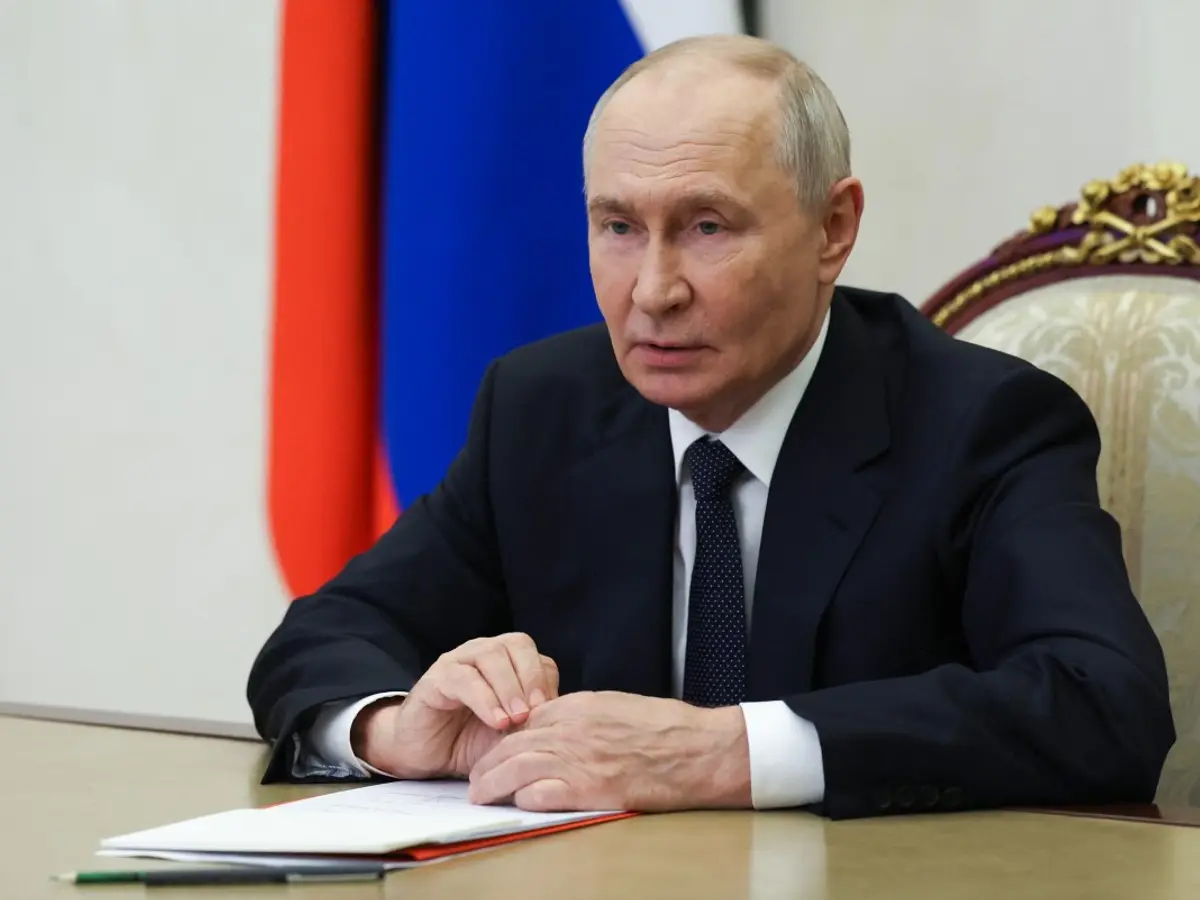
European Union countries are discussing what to do if a major attack using tricks like sabotage or cyber disruption happens in Europe.
The talks reportedly include sending emergency teams and helping the country affected.
Several European governments have blamed Russia for incidents involving drones, fires, or other suspected sabotage, but Russia rejects accusations of hybrid warfare.
Lithuania’s parliament has moved forward with a proposal to remove a constitutional ban on weapons of mass destruction.
Russia has warned it could use any weapons, including nuclear ones, if its Kaliningrad region is attacked.
The article also says Sweden plans to send air-defence systems and about 100 soldiers to Poland.
The EU is expected to include security plans in a strategy document due in November.

Politico reported that diplomats from all 27 EU member states discussed how to respond to a possible large-scale Russian hybrid attack.
The reported preparations include emergency response teams, EU funding for an affected country, and crisis communications.
European concerns follow a series of suspected sabotage, arson, and drone incidents that officials in several countries have linked to Russia.
Lithuania’s parliament voted to advance a constitutional amendment removing a ban on weapons of mass destruction; Putin has warned of a nuclear response if Kaliningrad is attacked.
Sweden plans to send Patriot air-defence systems and about 100 troops to Poland, while Russia denies posing a threat to Europe or NATO.
- Who
- EU member states, Russia, Lithuania, and other European countries involved in reported security measures.
- What
- EU diplomats reportedly discussed responses to a possible Russian hybrid attack as regional security tensions grow.
- Where
- Across Europe, including Lithuania, Poland, Germany, Estonia, Sweden, Finland, and Moldova.
- When
- The talks took place in recent weeks; the article also refers to incidents and statements from August, September, and the preceding two weeks.
- Why
- European concerns have grown after suspected sabotage, arson, and drone incidents, alongside Russia’s warnings and the continuing war in Ukraine.
European concerns and allegations
Russian denials and warnings
Alleged hybrid attacks
European concerns and allegations
European officials have linked a series of suspected sabotage, drone, and arson incidents to Russia and are discussing how to respond to a possible larger attack.
Russian denials and warnings
Russia has dismissed allegations of hybrid warfare; Vladimir Putin has said Russia poses no threat to Europe or NATO.
Nuclear weapons and regional security
European concerns and allegations
Lithuania’s parliament advanced an amendment removing a constitutional ban on weapons of mass destruction amid heightened security concerns.
Russian denials and warnings
Putin warned Russia could use weapons in its arsenal, including nuclear weapons, if Kaliningrad is attacked.
Key facts
- EU countries in reported discussions
- Diplomats from all 27 member states
- Reported response measures
- Emergency response teams, EU funding for an affected country, and crisis communications
- EU strategy document
- A European security strategy document is due in November
- EU mutual-defence clause
- Article 42.7 of the Treaty on European Union
- Lithuanian parliamentary action
- A vote advanced a constitutional amendment removing a ban on weapons of mass destruction
- Swedish deployment to Poland
- Patriot air-defence systems and about 100 troops
- Leipzig drone incident
- On August 4, a drone carrying an explosive device was found near Ukrainian cargo planes; Germany said it failed to explode because its detonator was faulty
Sources
Related news
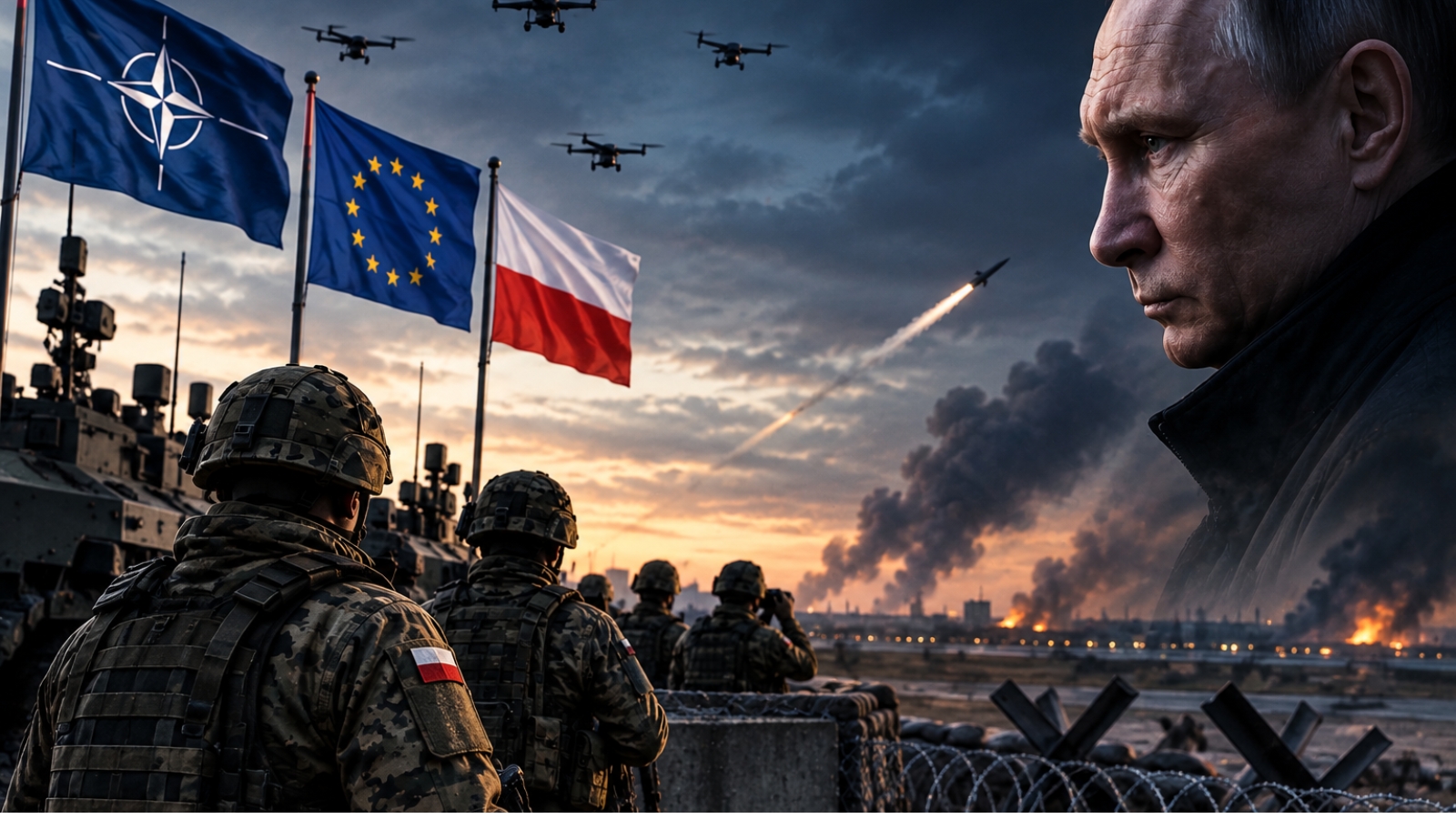
Europe Raises Hybrid Threat Alarm as NATO Rejects Imminent Attack

Kallas Says Russian Hybrid Attacks Put European Lives at Risk
Russia’s Hybrid War Tests NATO’s Limits Across Europe
Europe Warns of Russian Sabotage, Rejects Imminent NATO Attack
Putin Rejects European Fears of Possible Russian Attack
Polish PM Warns Russia May Stage ‘Accidental’ Strikes on NATO

Central Banks’ Gold Buying Rises in August, Led by China
Rubio Says Ukraine NATO Membership Is Not on Table Now
Moscow Format Talks End Without Statement Amid Afghan-Pakistani Rift
Unilateralism Challenges the Postwar Order, India Urged to Respond