

9 months ago
Narco-Profits Flow into Balochistan Infrastructure Projects, Tracking Dirty Money
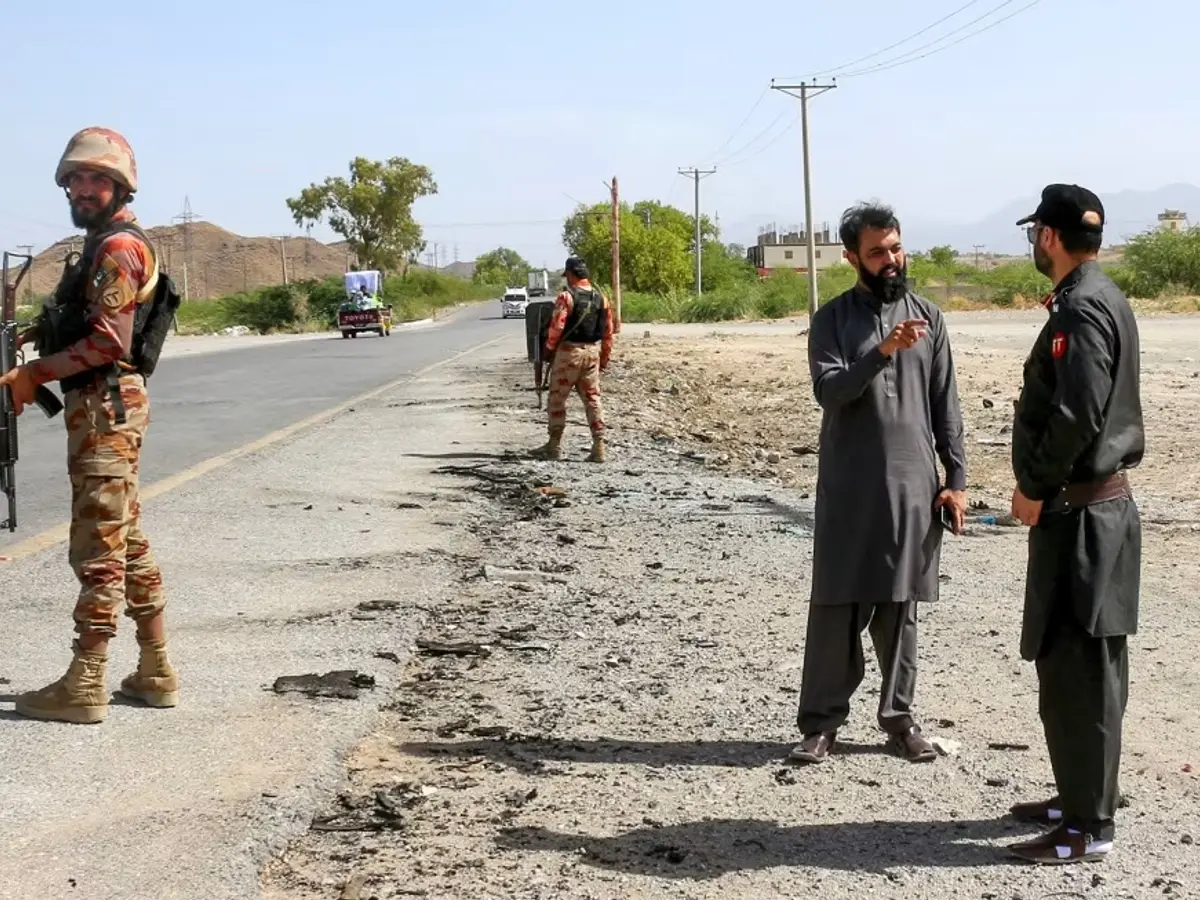
Imagine criminals make money from selling illegal drugs, but they can't just spend it because it looks suspicious.
They need to 'clean' it so it looks like regular money.
In a place called Balochistan, there's a lot of building happening for a big project called CPEC.
This building boom is like a magnet for money, both clean money from good investors and dirty money from drug sales.
The criminals use tricky ways like secret helpers, fake companies, and special money transfer systems to hide where the money comes from.
Then, they invest it in building things like houses and roads.
It's hard to track because the rules for knowing who really owns companies are not very strong, and sometimes the people watching don't catch everything.
Even though Pakistan has made some improvements, it's still easier for dirty money to hide in construction and real estate.

Drug profits are being laundered into Balochistan's real estate and construction sectors, particularly linked to CPEC projects.
Methods like hawala, shell firms, and front people are used to disguise the origin of illicit funds.
Weak ownership transparency and enforcement create high-risk channels for money laundering.
Gwadar's free zone offers tax incentives that attract capital, potentially benefiting both legitimate and illicit sources.
While Pakistan has implemented reforms, significant risks remain in detecting and preventing money laundering through these sectors.
- Who
- Organized crime groups, front people, shell firms, and potentially legitimate investors.
- What
- Drug profits are being laundered and integrated into the formal economy through investments in real estate and construction projects, particularly those linked to the China-Pakistan Economic Corridor (CPEC) in Balochistan.
- Where
- Primarily in Balochistan, Pakistan, specifically within the context of the China-Pakistan Economic Corridor (CPEC) and the Gwadar free zone.
- When
- Ongoing, with specific mention of FBR's Benami law use since 2019, SECP's push for beneficial ownership since 2018, and recent reports and actions in 2020, 2021, 2022, and early 2025.
- Why
- Weak ownership transparency, patchy enforcement, a boom in construction and real estate absorbing large sums, generous tax incentives in Gwadar's free zone, and the cyclical nature of drug profits seeking legitimate investment opportunities.
Key facts
- Region of Concern
- Balochistan, Pakistan
- Key Sectors for Laundering
- Real estate, Construction, Infrastructure projects
- Laundering Methods Mentioned
- Hawala, Shell firms, Front people, Benami transactions, Trade-based schemes (under-invoicing)
- Key Infrastructure Project
- China-Pakistan Economic Corridor (CPEC), Gwadar Port
- Regulatory Bodies/Reports Mentioned
- UNODC, FATF, Asia/Pacific Group, Pakistan's Federal Board of Revenue (FBR), Securities and Exchange Commission of Pakistan (SECP), Financial Monitoring Unit, Transparency International Pakistan, Auditor-General
- Year Pakistan Left FATF 'Grey List'
- 2022
Quotes
A government source
A government source
““This is the first part of the quote, and this is the second part which continues the same thought.””
 wionews.com
Sources
Related news
Pakistan’s Dialogue Offer Exposes Limits Of Balochistan Repression

United Baloch Army Claims Responsibility for Bridge Blast in Pakistan

Balochistan's Crisis of Trust: HRCP Report Details Systemic Repression
US-Iran Conflict Threatens India's Chabahar Port Plans
Balochistan's 1948 Annexation and India Ties
