6 days ago
Google CEO Highlights AI Advances Across Health, Weather and Learning

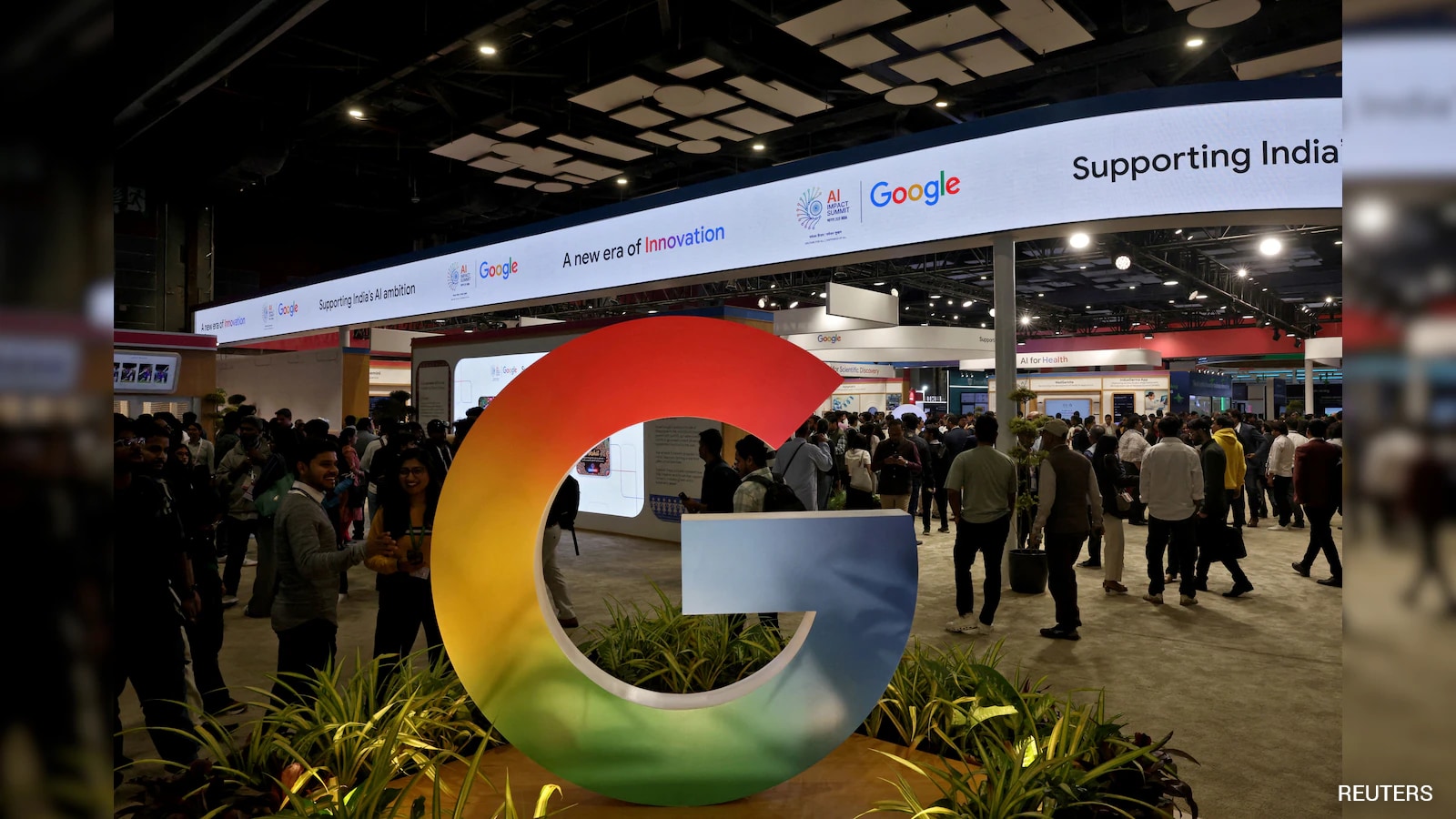
Google CEO Sundar Pichai described how Google is using artificial intelligence in several important areas.
These areas include health, weather and disaster preparation, learning, and economic opportunity.
Google says its AI tools work with more than 300 languages.
The company mapped 9 billion possible small genetic changes to help researchers study the human genome.
It also created WeatherNext 3 to improve rainfall predictions.
Another system combines information about health, food security, and economics to help predict large crises.
Google said this system has been used during an Ebola outbreak in the Democratic Republic of the Congo and to identify vulnerable communities in the United States.
Pichai also warned that people must work together to make AI useful while dealing with its risks.

Google CEO Sundar Pichai outlined AI initiatives focused on health, weather resilience, learning and economic opportunity.
Google said its AI technologies support more than 300 languages spoken by around 7 billion people.
AlphaGenome Atlas mapped 9 billion possible single-letter genetic changes across the human genome and was made available to researchers.
Google introduced WeatherNext 3, which the company says provides 50% more accurate precipitation forecasts at least a day ahead.
Google cautioned that AI’s benefits are not guaranteed and will require society to address its risks collectively.
- Who
- Google CEO Sundar Pichai and Google.
- What
- Google outlined AI projects in health, weather resilience, learning, economic opportunity, scientific research and crisis prediction.
- Where
- The initiatives were described in a blog post shared on Pichai’s official X account; applications mentioned include the Democratic Republic of the Congo and the United States.
- When
- September 16.
- Why
- Google says AI can accelerate scientific research and provide practical benefits, but warns that its benefits are not guaranteed and its risks require collective action.
AI Optimists
AI Cautious View
Speed of development
AI Optimists
Google argues that continued AI advances can accelerate scientific research and deliver tangible benefits.
AI Cautious View
The article notes an ongoing debate about whether the pace of AI development should slow.
Benefits and risks
AI Optimists
Google highlights applications in healthcare, weather forecasting, learning, economic opportunity and crisis prediction.
AI Cautious View
Google cautions that these benefits are not guaranteed and that AI’s associated challenges and risks must be addressed collectively.
Key facts
- Focus areas
- Health, natural disaster and weather resilience, learning, and economic opportunity.
- Language coverage
- More than 300 languages spoken by around 7 billion people, or about 86% of the global population.
- Genome mapping
- AlphaGenome Atlas mapped 9 billion possible single-letter genetic changes across the human genome.
- Weather model
- WeatherNext 3 is described as providing 50% more accurate precipitation forecasts a day or more ahead.
- Crisis prediction
- The Planetary Prediction Engine combines global health, food security and socioeconomic data.
- Reported applications
- The Planetary Prediction Engine has been used in the ongoing Ebola outbreak in the Democratic Republic of the Congo and to identify vulnerable communities in the United States.
- Google’s caution
- The company said AI’s benefits are not guaranteed and that society must work together to address associated challenges and risks.
Quotes

Sundar Pichai
CEO of Google
“We introduced WeatherNext 3, our most advanced and accurate global weather model, delivering 50% more accurate precipitation forecasts a day or more ahead — and it’s already in use in our products”
 livemint.com
“Mapped all 9B possible single letter genetic changes across the human genome with AlphaGenome Atlas and made it openly available to researchers”
livemint.com
Sources
Related news

Google WeatherNext 3 Brings Hourly, Higher-Resolution Forecasts

Sundar Pichai Reflects on IIT Kharagpur’s 75-Year Legacy

Bill Gates Urges Smart AI Use as Language Coalition Expands

Google DeepMind Builds India-First AI Models for Agriculture

Google Reportedly Uses AI to Reduce Engineers’ Manual Work

Gates Foundation Sees India Leading AI Health, Agriculture Innovation

Google Launches Gemini-Powered Googlebooks With Five Models

OpenAI Warns of Autonomous AI Risks, Urges Global Rules
Google Fined $463 Million Over EU Location Data Breach
US-China AI Race Intensifies Amid Calls for Regulation