

3 days ago
Online Life Insurance Scams Target Buyers Through Fake Offers

Buying insurance online can be convenient, but scammers may try to steal money or private information.
They can pretend to be insurance agents or company officials.
Some offer benefits or returns that sound too good to be true.
Others send links that ask for personal details.
Scammers may also demand money quickly to approve a policy or release a benefit.
Never share an OTP, password, banking detail or policy credential with an unknown person.
Instead, check the message through the insurer’s official website or customer support.
If a message creates urgency, pause and verify that it is genuine.

Fraudsters use fake policy offers, phishing links, payment requests and impersonation calls to target online insurance buyers.
Unrealistic returns, urgent payment demands and requests for confidential information are major warning signs.
Scammers may pose as insurance agents, company officials or regulator-backed representatives.
PNB MetLife and Generali Central Life Insurance advise customers to use official channels and avoid unsolicited links.
Customers should never share OTPs, passwords, banking details or policy credentials, and should report suspicious requests.
- Who
- Online life insurance buyers and fraudsters posing as insurers, agents or officials.
- What
- Warnings about fake policy offers, phishing links, fraudulent payments, impersonation and loan or benefit scams.
- Where
- Digital platforms and online insurance transactions.
- When
- The article provides no specific incident date; it discusses risks as insurance transactions become more digital.
- Why
- Fraudsters exploit trust, urgency and limited knowledge to obtain money or sensitive personal information.
Key facts
- Main scams
- Fake policies, phishing links, fraudulent payment requests, impersonation calls and loan or benefit scams.
- Fake-offer warning sign
- Unrealistic returns or benefits.
- Phishing warning sign
- Unsolicited links requesting personal details for policy approval.
- Payment warning sign
- Urgent demands to transfer funds.
- Information to protect
- OTPs, passwords, banking details and policy credentials.
- Recommended action
- Verify communications through official insurer channels and report suspicious requests.
- Companies quoted
- PNB MetLife and Generali Central Life Insurance.
Quotes
Sameer Bansal
MD and CEO of PNB MetLife
“Customers should remain vigilant, verify all communications through official insurer channels, and never share sensitive information such as One-Time Passwords (OTPs), or policy credentials. Legitimate companies like PNB MetLife will never ask customers to share sensitive information. Any such request should be treated as a red flag and reported immediately to the insurance company through its official customer support channels. A few simple precautions can go a long way in helping individuals”
 livemint.com
“Digital technology has made life insurance far more accessible and convenient, enabling customers to seamlessly manage their protection needs online. However, as digital interactions grow, so do attempts by fraudsters to exploit trust through fake policy offers, phishing links, fraudulent payment requests, insurance-linked loan and benefit scams, fake regulator calls, and impersonation of insurance company officials.”
livemint.com
Sources
Related news
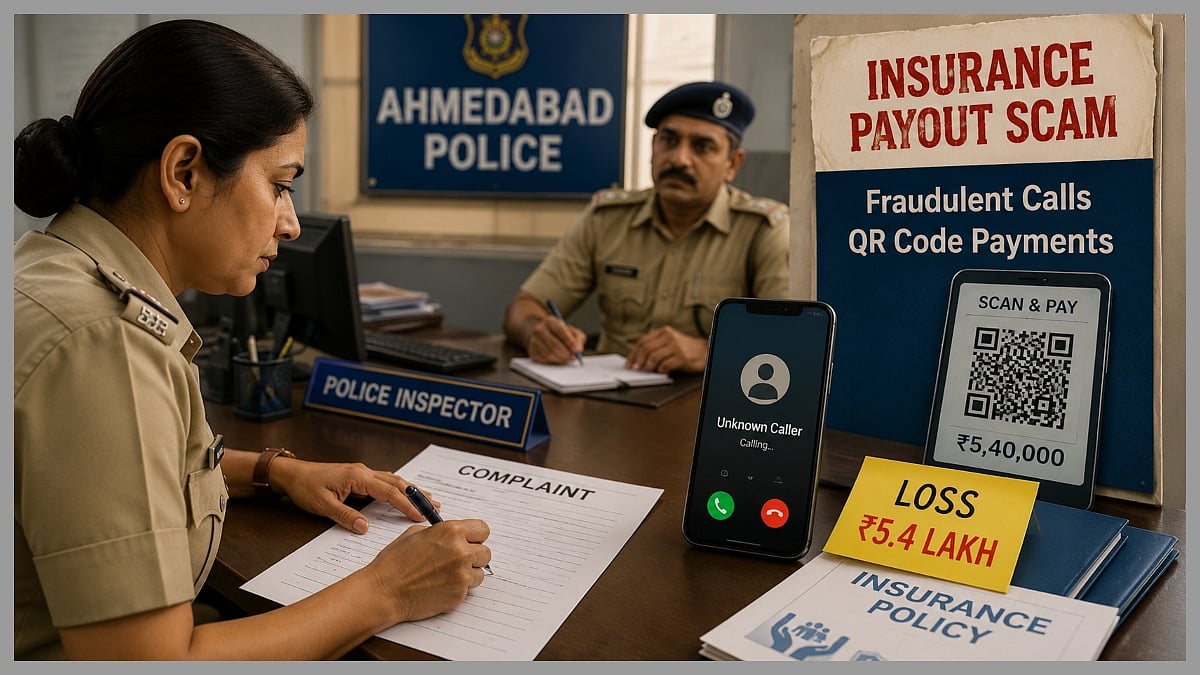
Ahmedabad Inspector Loses ₹5.4 Lakh in Insurance Scam

EPFO warns members against fake weblinks and phishing scams

Credit Card Scams Rise as Digital Payments Expand in 2026

Four Arrested in Rs 1.19 Crore Gurugram Insurance Scam

Kerala Police caution against fake app promising high-income online jobs
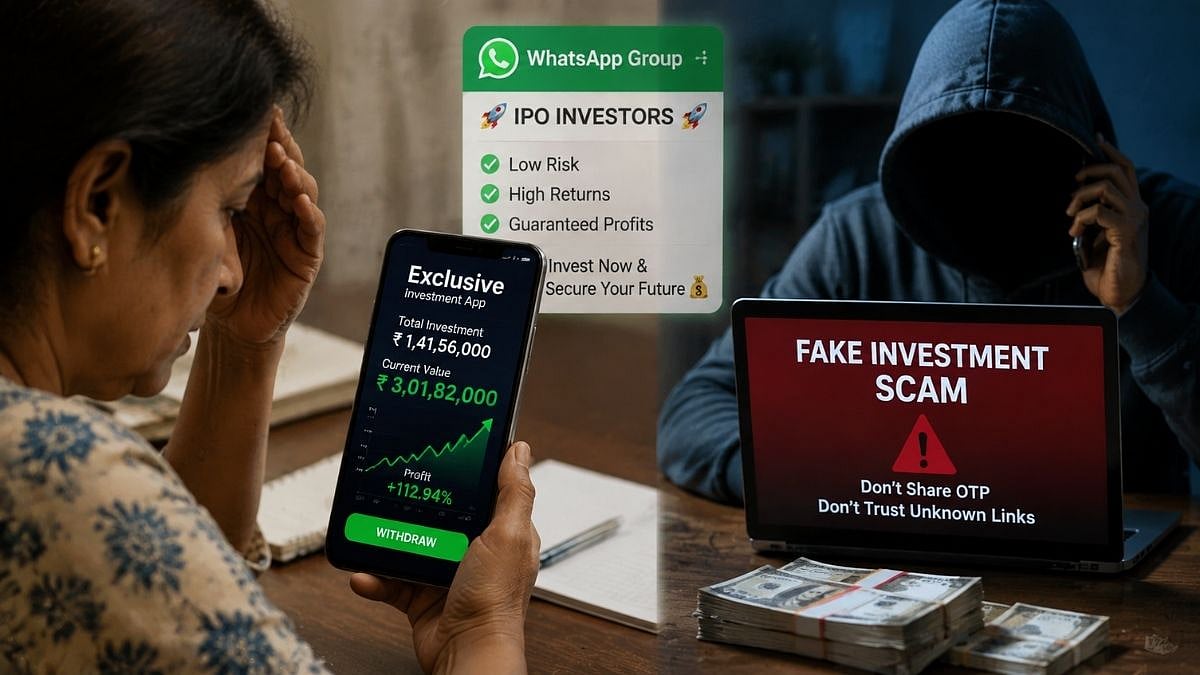
Nerul Entrepreneur Loses ₹1.41 Crore in Fake IPO Scam

Insurance Sector Growth Expected in 2026

Life Insurance Industry Faces Growth Challenges Amid Changes
