

1 week ago
India-New Zealand FTA Brings Phased Tariff Cuts From October

India and New Zealand have made a trade agreement that starts on October 20, 2026.
It is meant to make some goods from New Zealand cheaper to bring into India.
Apples could have a lower tax, but only for a limited amount of imports.
Kiwifruit could enter without import duty, also within a limit that grows over time.
Mānuka honey could have a much lower duty after five years.
Other goods, such as wood, wool and sheep meat, will have their duties removed immediately.
Some medicines, metals and machinery will receive gradual or partial tariff reductions.
Dairy products, sugar and onions are among the goods left out of the concessions.
Shoppers may not see immediate price cuts because shipping, distribution and shop costs also affect prices.

The India-New Zealand Free Trade Agreement will come into force on October 20, 2026.
India will provide tariff concessions on 70% of its tariff lines, while 30% will remain excluded.
Apples may receive a 25% duty within expanding quotas, while kiwifruit may enter duty-free within a growing quota.
Mānuka honey duties may fall from 66% to 16.5% over five years, subject to quotas and minimum import prices.
Dairy, sugar, onions and several other Indian-protected products will remain outside the tariff concessions.
- Who
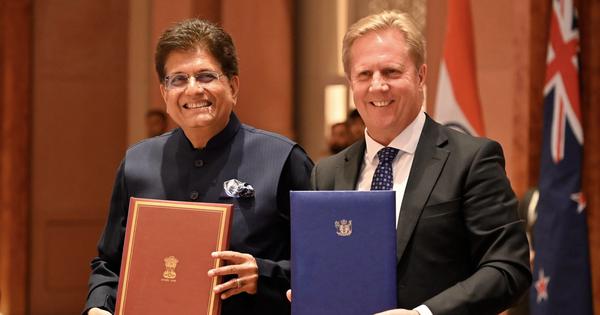
- India and New Zealand; the agreement was signed by Piyush Goyal and Todd McClay.
- What
- A free trade agreement providing phased tariff reductions, duty-free quotas and exclusions for selected products.
- Where
- Trade between India and New Zealand, including New Zealand imports entering India.
- When
- It will come into force on October 20, 2026; the agreement was signed on April 27.
- Why
- To reduce selected trade barriers while protecting sensitive Indian agricultural and animal-product sectors.
Key facts
- Entry into force
- October 20, 2026
- Tariff coverage
- Concessions apply to 70% of India's tariff lines; 30% remain excluded
- Apple quota
- The lower-duty quota rises from 32,500 tonnes in the first year to 45,000 tonnes by the sixth year; the duty within the quota is 25%
- Kiwifruit quota
- Duty-free access rises from 6,250 tonnes in the first year to 15,000 tonnes by the sixth year
- Mānuka honey
- The 66% duty may decline to 16.5% over five years, subject to quotas and minimum import prices
- Immediate tariff removals
- Duties on wood, wool, sheep meat, raw hides and leather will be removed from October 20, 2026
- Excluded products
- Milk, cream, whey, yoghurt, cheese, butter, sugar, onions and several other products remain outside the concessions
- Consumer prices
- Retail prices may not fall immediately because shipping, distribution, retailer margins and other costs also matter
Quotes

Piyush Goyal
India’s Union Minister of Commerce and Industry
“We have chosen the auspicious day Dussehra – Vijay Dashmi for the entry into force of the India-New Zealand FTA”
 livemint.com
Sources

Related news
India-New Zealand Trade Deal Clears Parliament, Awaits Final Approval
India-New Zealand FTA Sets October Trade, Investment and Mobility Terms
India-New Zealand FTA Ratified, Taking Effect October 20
New Zealand Parliament Advances India Free Trade Agreement
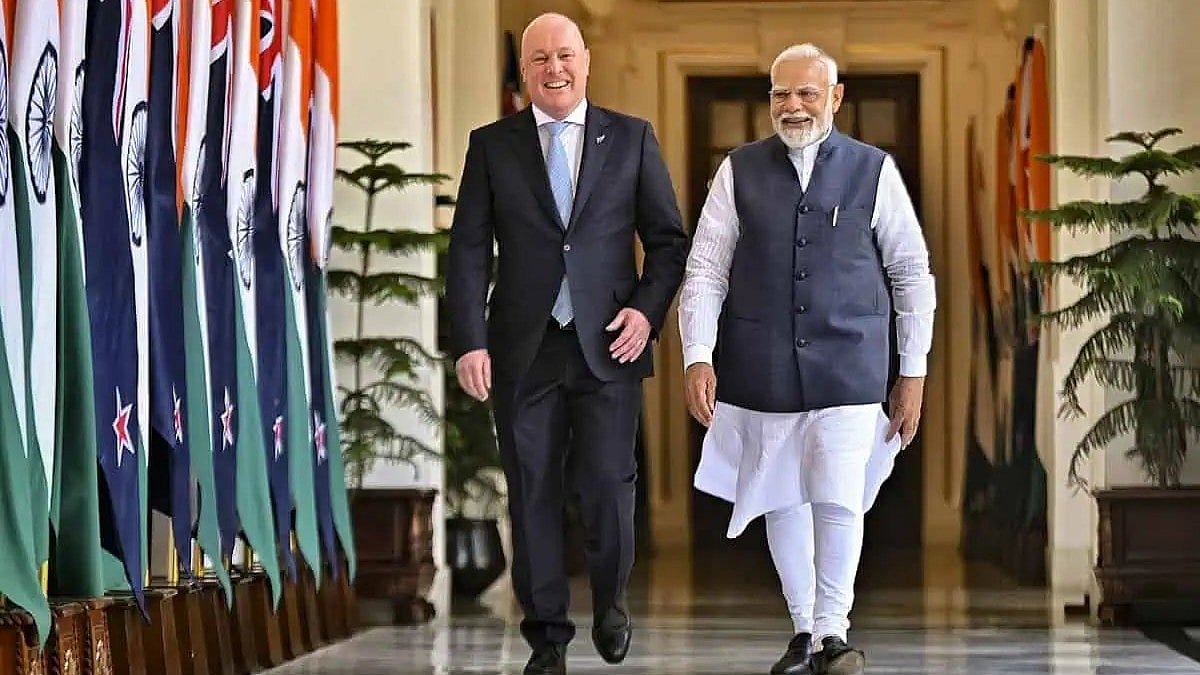
India-New Zealand FTA Clears Parliament, Nears Implementation
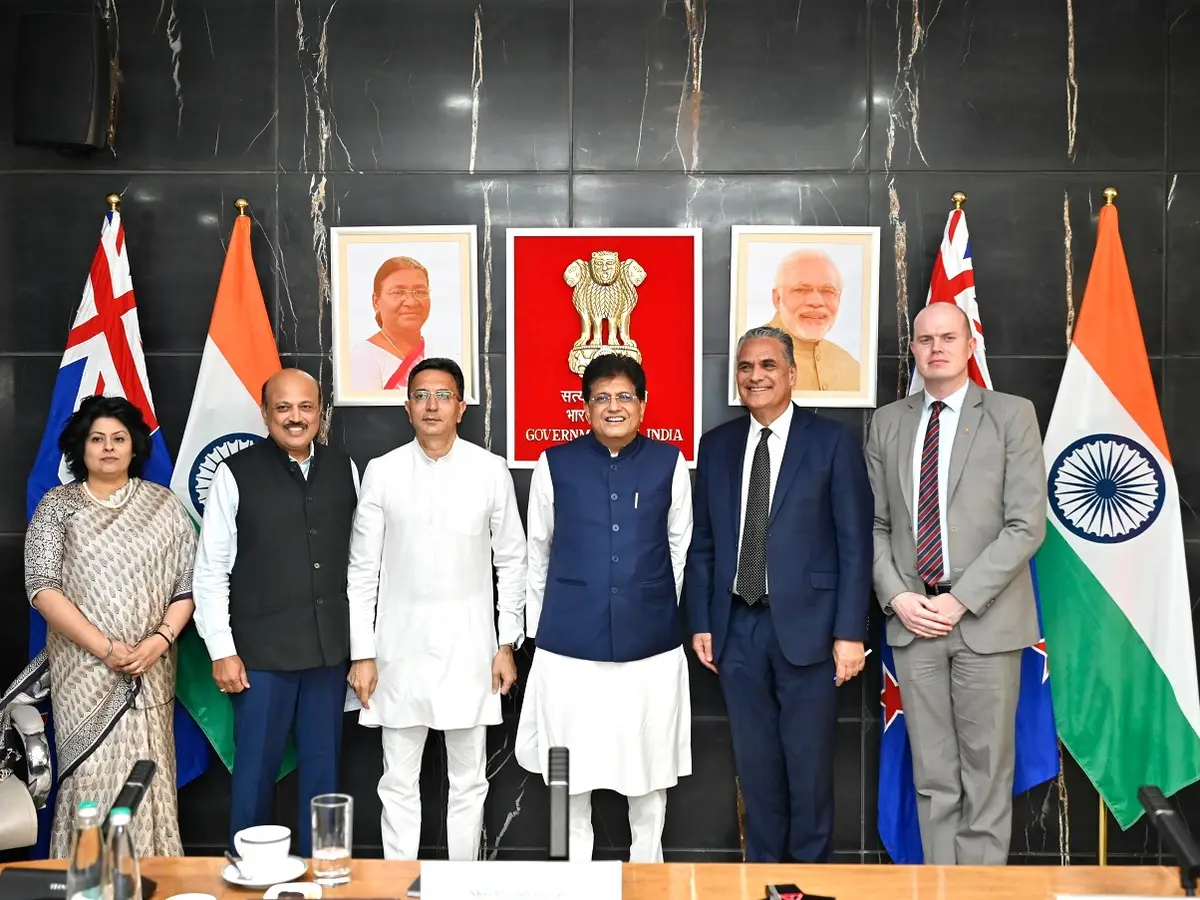
India–New Zealand Trade Pact Set to Begin on Dussehra
