2 hrs ago
India-New Zealand Trade Deal Clears Parliament, Awaits Final Approval
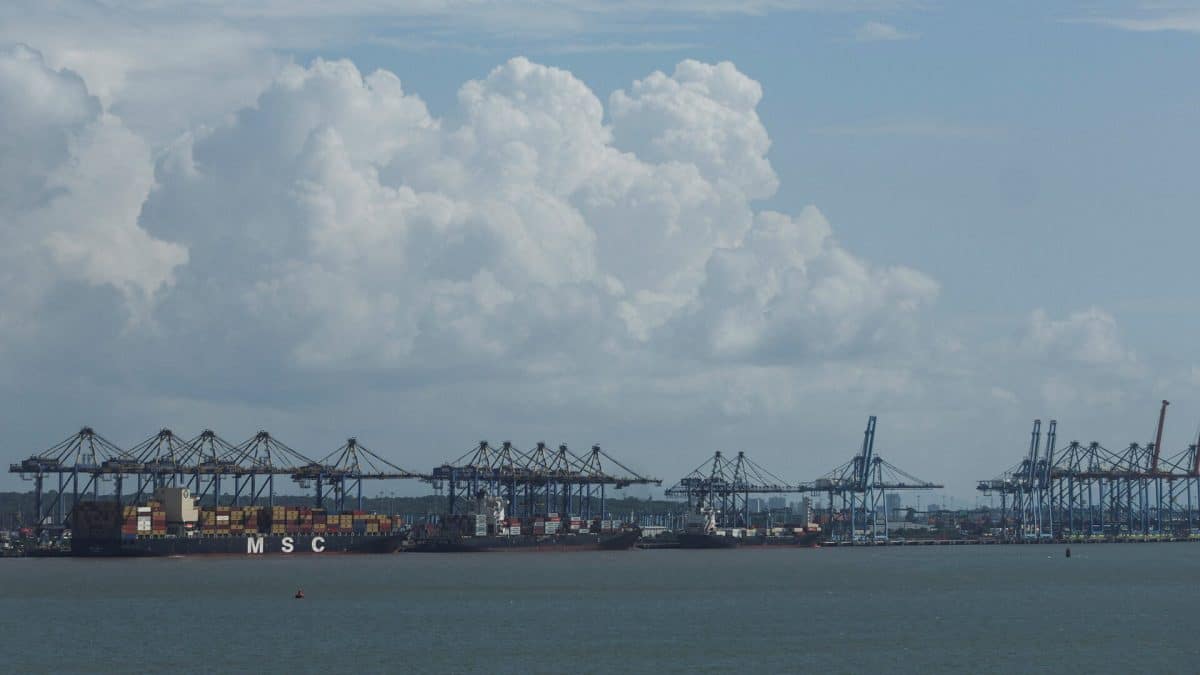
India and New Zealand have agreed on a trade deal, but it has not started yet.
New Zealand’s Parliament approved the law needed to put its side of the deal in place.
India and New Zealand still have to finish their own steps and formally notify each other.
The deal will begin 30 days after those notifications are exchanged.
Indian products such as clothes, shoes, medicines and engineering goods should become cheaper to sell in New Zealand because tariffs will be removed.
Indian professionals may also get temporary work opportunities in New Zealand.
New Zealand will receive more access to India for products such as forestry goods, wool and some food items.
India is still protecting dairy and several sensitive farm products.
Shoppers may get more choices and lower prices in some areas, but prices will also depend on shipping, taxes, exchange rates and business costs.

New Zealand’s Parliament approved the legislation in a 93-29 vote, but the agreement is not yet in force.
The pact will take effect 30 days after India and New Zealand complete procedures and exchange formal notifications.
Indian exporters will receive duty-free access to New Zealand for all goods covered by the agreement, including textiles, pharmaceuticals and engineering products.
India will open about 95% of its current exports from New Zealand to tariff elimination or reductions, while excluding dairy and several sensitive farm products.
The agreement includes access to 118 New Zealand services sectors, pathways for 5,000 Indian professionals, 1,000 annual working-holiday visas and a proposed NZ$20 billion investment facilitation commitment.
- Who
- India and New Zealand, including their exporters, consumers and governments, are parties to the agreement.
- What
- New Zealand’s Parliament passed legislation to implement a free trade agreement with India; the pact still requires final domestic procedures and formal notifications.
- Where
- The agreement covers trade between India and New Zealand, including access to New Zealand’s market and selected access to India’s market.
- When
- The agreement will take effect 30 days after India and New Zealand exchange formal notifications; Parliament approved the legislation in a 93-29 vote.
- Why
- The countries aim to reduce tariffs, expand market access, increase services and professional opportunities, and facilitate investment.
Indian protections and consumer caution
New Zealand market access and expansion
Agricultural access
Indian protections and consumer caution
India has excluded dairy products such as milk, cream, whey, yoghurt and cheese, along with onions, chana, peas, corn, almonds and sugar, to protect sensitive sectors.
New Zealand market access and expansion
New Zealand gains improved access for products including forestry goods, sheep meat and wool, while access for apples and kiwifruit expands through quotas.
Consumer prices
Indian protections and consumer caution
Indian consumers may benefit from greater choice and lower prices where tariffs fall, but prices will not automatically decline because freight, taxes, exchange rates and margins also matter.
New Zealand market access and expansion
New Zealand exporters argue that improved access to India’s large consumer market can support greater sales, jobs and incomes.
Economic benefits
Indian protections and consumer caution
India’s principal gains include cheaper access for exporters, new services opportunities and potential investment, especially for smaller firms and sectors such as textiles, pharmaceuticals and engineering.
New Zealand market access and expansion
New Zealand officials describe the benefits for exporters as immediate and substantial once the agreement takes effect, with the deal intended to create jobs and raise incomes.
Key facts
- Parliamentary vote
- New Zealand’s Parliament approved the implementing legislation 93-29.
- Entry into force
- The agreement starts 30 days after the two countries exchange formal notifications following completion of domestic procedures.
- Indian goods access
- India will receive duty-free access to New Zealand for all goods covered under the pact, across 100% of New Zealand’s tariff lines.
- Indian services access
- India secured access across 118 New Zealand services sectors, plus Most-Favoured-Nation treatment across 139 services sectors and sub-sectors.
- Professional pathways
- New Zealand will provide temporary employment pathways for up to 5,000 Indian professionals and 1,000 working-holiday visas for young Indians each year.
- New Zealand goods access
- India will eliminate or reduce tariffs covering about 95% of its current imports from New Zealand; more than half of the covered products will be duty-free when the deal begins.
- Investment commitment
- New Zealand has agreed to facilitate NZ$20 billion of investment in India over 15 years.
- Current trade
- Two-way trade was around NZ$3.99 billion in the year to June 2026, according to figures cited by Reuters.
Sources
Related news
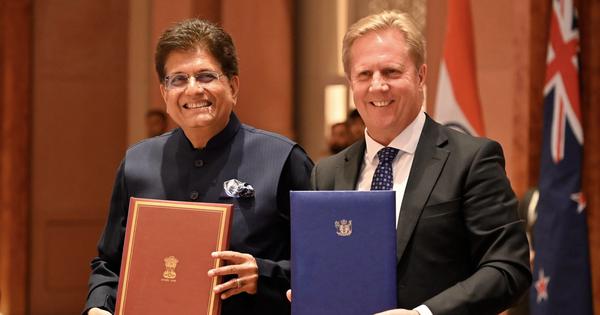
New Zealand Parliament Advances India Free Trade Agreement

India-New Zealand Trade Deal Set to Begin Next Month

India-New Zealand Trade Deal Seen Delivering Long-Term Economic Gains
India-EU Trade Deal Advances, Promising Tariff Cuts for Consumers

India–UK CETA Opens Trade and Investment Opportunities for MSMEs

India-UK CETA Opens Growth Opportunities for Haryana Industries
India‑New Zealand FTA to take effect by year‑end, tariffs zero

India-New Zealand Trade Ministers Discuss FTA, Substantive Progress Reported

India and UK Finalizing Social Security Agreement