2 weeks ago
Krishi Darshan Started It; Bharat VISTAAR Can Complete It

In 1967, India started a special television show called Krishi Darshan to teach farmers about seeds, soil, and healthy cattle.
It was first shown on a channel called Doordarshan and reached 80 villages near the capital, Delhi.
Back then, many villages did not have extension workers to help farmers, and even today there is only one such worker for every 5,000 farmers.
The show ran for more than 59 years and became the longest-running TV show in Indian history.
But it had a big problem: farmers could only watch and listen, and could not ask questions.
If a pest attacked a farmer's crop on Monday, the advice would only arrive on Thursday.
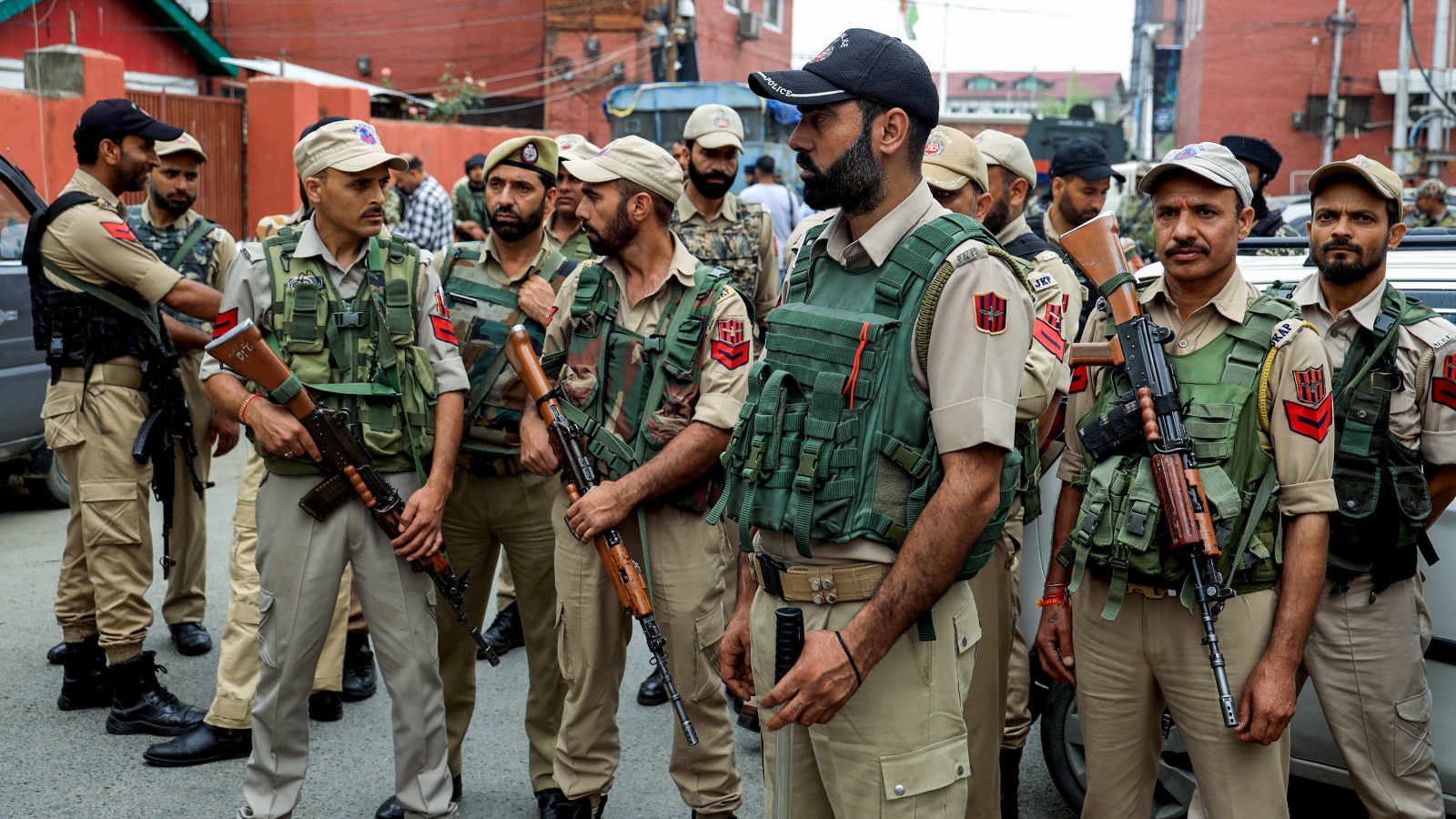
Later, programs like Rythu Bharosa Kendrams in Andhra Pradesh and Kisan Khidmat Ghars in Jammu & Kashmir set up services closer to villages, so farmers could ask questions nearby.
Now, a new digital system called Bharat VISTAAR works like a helpful layer on which services are built.
One such service, called Saralaben AI, was made by Amul so dairy farmers can call and get instant advice in their own language.
Today, a farmer can ask about crop problems at night in Tamil and get answers from a huge knowledge database, because the system finally listens back.

India's earliest agri-tech experiment, Krishi Darshan, launched on Doordarshan Delhi on January 26, 1967, reaching 80 villages around the capital.
Krishi Darshan became India's longest-running television show, airing more than 16,000 episodes over more than 59 years.
The broadcast-only system was one-directional: farmers could hear experts but could not ask questions, and India still has only one extension worker per 5,000 farmers.
Andhra Pradesh's Rythu Bharosa Kendrams and Jammu & Kashmir's over 2,000 Kisan Khidmat Ghars, with over 8 lakh registered farmers, brought advisory services closer to villages.
Bharat VISTAAR, a Digital Public Infrastructure layer for agriculture, powers services like Amul's Saralaben AI, offering round-the-clock, multilingual advice from ICAR's knowledge database.
- Who
- Indian farmers (including apple growers in Sopore and paddy farmers in Thanjavur), the Government of India, ICAR, and companies like Amul.
- What
- The evolution of India's farm extension system from the 1967 Krishi Darshan television program to the on-demand, conversational digital platform Bharat VISTAAR.
- Where
- India, from Delhi's 80-village broadcast zone and Tamil Nadu's Delta region to Andhra Pradesh and Jammu & Kashmir.
- When
- From January 26, 1967, when Krishi Darshan launched, through the early 2010s initiatives and the present day with Bharat VISTAAR.
- Why
- To bridge the gap between agricultural research and farmers' fields, as formal extension services remain sparse with only one worker per 5,000 farmers.
Key facts
- First program
- Krishi Darshan on Doordarshan Delhi, January 26, 1967
- Initial reach
- 80 villages around Delhi
- Program run
- Over 59 years and more than 16,000 episodes, India's longest-running TV show
- Extension ratio
- One extension worker per 5,000 farmers in India
- Kisan Khidmat Ghars (J&K)
- Over 2,000 KKGs; over 8 lakh registered farmers
- Bharat VISTAAR
- Digital Public Infrastructure layer for agriculture, not a platform itself
- AI application
- Saralaben AI by Amul for dairy farmers
- Knowledge sources
- ICAR database, state programs, and conversations of other farmers
Sources
Related news

Agricultural KVKs Highlighted as Key to Raising Farmers’ Income

Tamil Nadu Unveils Uzhavar AI Scheme in Agriculture Budget 2026-27

Ajay Banga Says India’s Development Offers Global Lessons
Tech Must Work in Remote Regions: Swades Foundation CEO
India Urges Faster Farmer IDs and Digital Agriculture Rollout

New Administrative Building Inaugurated at Periyavaram Krishi Vigyan Kendra

Rival NC-BJP Protests Roil J&K as Police Halt Marches
Omar Abdullah Alleges Unequal Treatment of Srinagar Political Protests
BJP, National Conference Hold Rival Protests Across Srinagar Streets
ISI Reduces Local Recruitment in J&K
BJP Protests NC Govt Over Unemployment, Price Hike in J&K