

1 hr ago
Choosing Invoice Discounting, Overdrafts, and Term Loans for Growth

A growing business may have to pay suppliers and workers before customers pay their bills.
Invoice discounting gives the business money early against an unpaid customer invoice.
An overdraft lets the business borrow and repay money whenever its cash balance changes.
A term loan provides a fixed amount that is repaid in regular monthly installments.
Term loans are usually better for long-lasting purchases, such as machines or vehicles.
Invoice discounting is better when the business is waiting for a customer to pay.
An overdraft can help when the size of the cash shortage changes often.
Businesses should check fees and repayment rules, not just the advertised interest rate.
The best choice depends on how long the money is needed and whether it will return automatically.

Invoice discounting provides cash against unpaid invoices and depends heavily on the buyer’s creditworthiness.
An overdraft offers a reusable current-account limit, with interest charged on the amount actually drawn.
Term loans are designed for long-term assets such as machinery, additional facilities, or delivery vehicles.
Using a term loan for a short receivable gap can leave businesses paying for funds after they are no longer needed.
Businesses should compare all-in costs, repayment flexibility, revolving features, and exit charges before borrowing.
- Who
- Growing businesses, including the garment-unit example, seeking working capital or funding for long-term assets.
- What
- The article compares invoice discounting, overdrafts, and term loans and explains when each may be suitable.
- Where
- The lending and regulatory framework described involves India.
- When
- The article references rules and changes dated November 7, 2024; October 1, 2024; July 2, 2025; and January 1, 2026.
- Why
- Businesses often pay for materials, wages, and freight before customers pay invoices 45 to 60 days later.
Key facts
- Invoice discounting
- Provides early cash against an unpaid invoice; financing cost depends on the time until the buyer pays.
- Overdraft
- Provides a standing current-account limit; interest is charged on the amount actually used.
- Term loan
- Provides a fixed amount repaid through equated monthly installments over an agreed tenure.
- TReDS threshold
- The mandatory turnover threshold for onboarding was reduced from ₹500 crore to ₹250 crore through notification S.O. 4845(E) dated November 7, 2024.
- Key Facts Statement
- From October 1, 2024, lenders must provide retail and MSME term-loan borrowers with a KFS showing the annual percentage rate and relevant charges.
- Floating-rate prepayment rules
- Under directions issued July 2, 2025, prepayment charges are removed for specified floating-rate loans to individuals and micro and small enterprises for business purposes, for loans sanctioned or renewed from January 1, 2026.
- Typical cash-flow gap
- The article describes customer payment periods of 45 to 60 days while suppliers may require payment within 7 days.
Sources
Related news

How to Evaluate Instant Online Loans Beyond Speed

Business Loan EMI Calculators Help Businesses Manage Seasonal Cash-Flow Stress

Loan Advice Covers Overdrafts, Gold Loans, NRIs And More

How Business Loan EMI Calculators Improve Borrowing Decisions
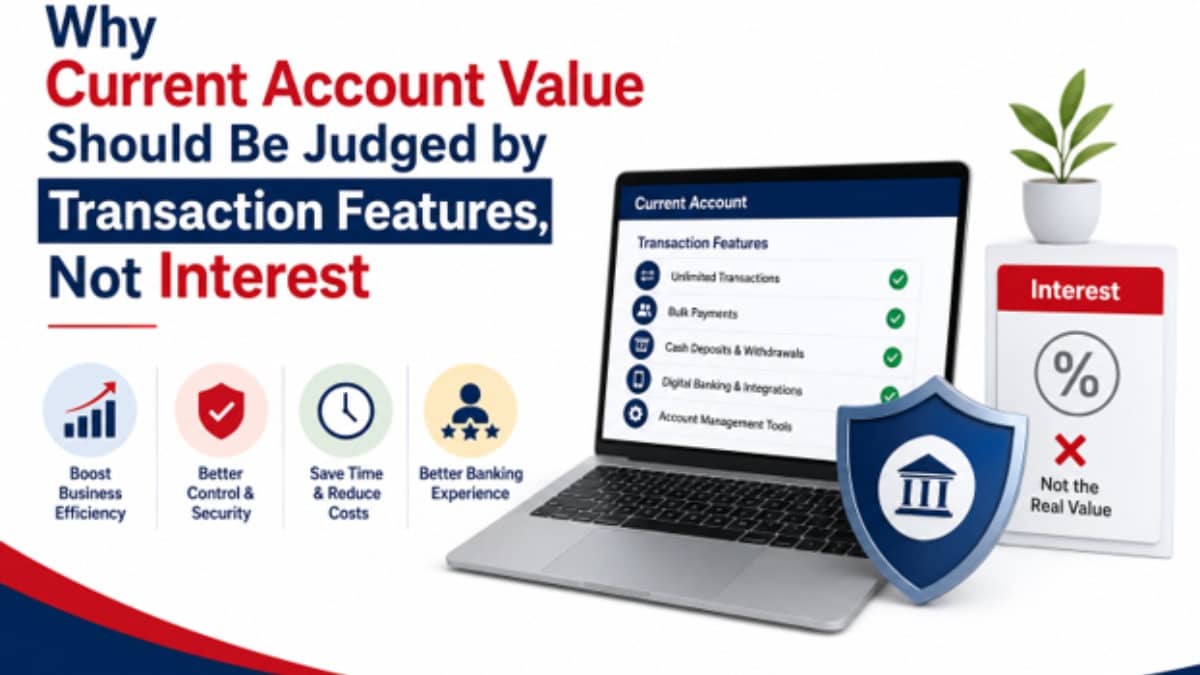
Judge Current Account Value by Transaction Features, Not Interest

RBI Proposes Loan Pricing Rules to Improve Borrower Transparency

GHMC Reports Recovery of ₹6.92 Crore in Excess Payments

New MSME Bill Targets India's Chronic Small-Business Payment Delays
Maharashtra Cabinet Approves Rs 6,477 Crore Jayakwadi Phase-II Funding

Vijayawada Contractors End Strike After Agreement On Pending Bills