3 weeks ago
Microlearning and AI Boost Soft Skills and Confidence

Learning new skills at work can be hard.
Old ways, like sitting in long classes or reading big manuals, did not always work well.
Now, people use small lessons that take only a few minutes.
These are called microlearning lessons.
They might be a short video, a little quiz, or a pretend practice.
Computers with smart programs, called AI, can give each person lessons just for them.
The AI can even give helpful feedback right away.
This helps people get better at talking with others and staying calm.
It also helps them feel more confident at work.
In the future, learning will be part of everyday work.

Microlearning breaks training into short, focused modules such as three-minute videos, interactive quizzes, and scenario-based simulations.
AI personalizes learning by analyzing behaviors and recommending the right content at the right time.
AI-powered virtual coaches and chatbots give instant feedback on word choice and emotional tone.
Soft skills like emotional intelligence, adaptability, and active listening are becoming measurable and actionable.
Experts expect AI-powered microlearning to become embedded in daily workflows, blurring the line between learning and working.
- Who
- Employees and workplaces seeking to strengthen soft skills
- What
- Microlearning combined with AI is being used to teach soft skills and build confidence
- Where
- Workplaces (no specific location mentioned)
- When
- Not specified; described as an evolving workplace trend
- Why
- Traditional training methods struggle to teach soft skills effectively, while short, personalized learning builds confidence and adaptable teams
Key facts
- Skills Covered
- Emotional intelligence, adaptability, active listening, trust-building, conflict resolution
- Microlearning Formats
- Three-minute videos, interactive quizzes, scenario-based simulations
- AI Features
- Personalized recommendations, virtual coaches, chatbots, real-time feedback
- Individual Benefits
- Confidence, motivation, reduced workplace stress, better collaboration
- Workplace Benefits
- Adaptable, resilient teams; consistent skill development at scale
- Future Outlook
- Learning integrated into daily workflows via quick learning nudges
Sources
Related news

How Workday Uses AI to Personalize Corporate Learning
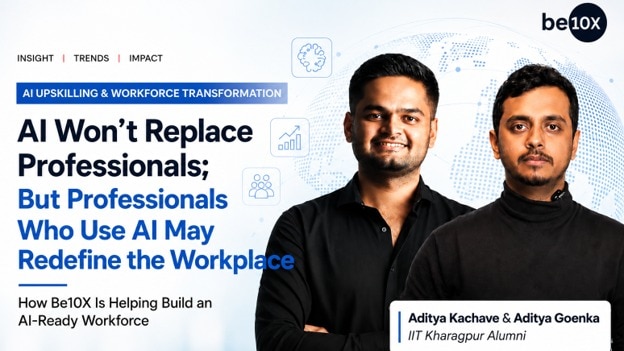
Be10X Builds AI-Ready Workforce as Professionals Learn to Use AI

How Artificial Intelligence Is Redefining Executive Education for Professionals

Behavioral training key as AI screening rejects all 500 applicants