

14 hrs ago
Rajasthan High Court Orders Jawai Leopard Habitat Protection Framework

The Rajasthan High Court created new rules to protect leopards in the Jawai area of Pali district.
A one-kilometre zone around important leopard places will temporarily limit construction.
The court said this distance is an evidence-based rule for now, not a permanent ecological boundary.
Mining, blasting, new roads and structures that block leopard movement are restricted.
Some village homes, repairs, schools, medical facilities and water infrastructure can still be allowed.
Traditional farming, grazing and other customary livelihoods are also protected if they follow wildlife-friendly conditions.
Tourism rules now ban night safaris, drones, baiting and artificial lights.
Officials must map the habitat and make the maps public before preparing a broader policy.

The Rajasthan High Court ordered a one-kilometre construction-control zone around identified leopard caves, dens, breeding sites, corridors and other critical habitat features.
New construction, mining, hill cutting, blasting, excavation, roads, tracks and obstructive fencing are prohibited on identified habitat features.
Authorities must conduct geo-referenced mapping and ecological and carrying-capacity assessments before creating a comprehensive land-use policy.
Night safaris, baiting, artificial illumination, drones, unauthorised entry into no-go areas and vehicle congregations near caves are prohibited.
Traditional agriculture, grazing, customary livelihoods and certain essential public facilities remain permitted under specified conditions.
- Who
- The Rajasthan High Court, through a division bench of Justices Pushpendra Singh Bhati and Rekha Borana, directed state and district authorities to protect Jawai’s leopard habitat.
- What
- The court ordered a regulatory framework covering habitat protection, construction, mining, fencing, tourism and safari activities.
- Where
- The directions apply to the Jawai leopard landscape in Pali district, Rajasthan, across forest, revenue, community and private lands.
- When
- The order was pronounced on Saturday, and it incorporated earlier interim orders dated March 23, April 20 and April 28.
- Why
- The order followed a public interest litigation seeking protection of leopard caves, dens, breeding sites and movement corridors and regulation of construction and tourism.
Key facts
- Interim distance
- A one-kilometre threshold applies around identified critical leopard habitat features.
- Mapping requirement
- Authorities must conduct geo-referenced mapping and ecological and carrying-capacity assessments.
- Prohibited construction
- New construction, hill cutting, blasting, excavation, roads, tracks, boundary walls and commercial structures are barred on identified habitat features.
- Tourism restrictions
- Night safaris, baiting, artificial illumination, drones, unauthorised entry into no-go areas and vehicle congregations near leopard caves are prohibited.
- Permitted activities
- Bona fide village housing, lawful repairs, essential public facilities, traditional agriculture, grazing and customary livelihoods may continue under conditions.
- Implementation
- The District Collector and Deputy Conservator of Forests, Pali, are responsible for inter-departmental implementation.
- Public access
- The habitat map must be made public and displayed at the relevant gram panchayats.
Sources
Related news

Ladakh to Get India's First Snow Leopard Safari

Supreme Court Bars Construction Near Rajasthan’s Jojari River
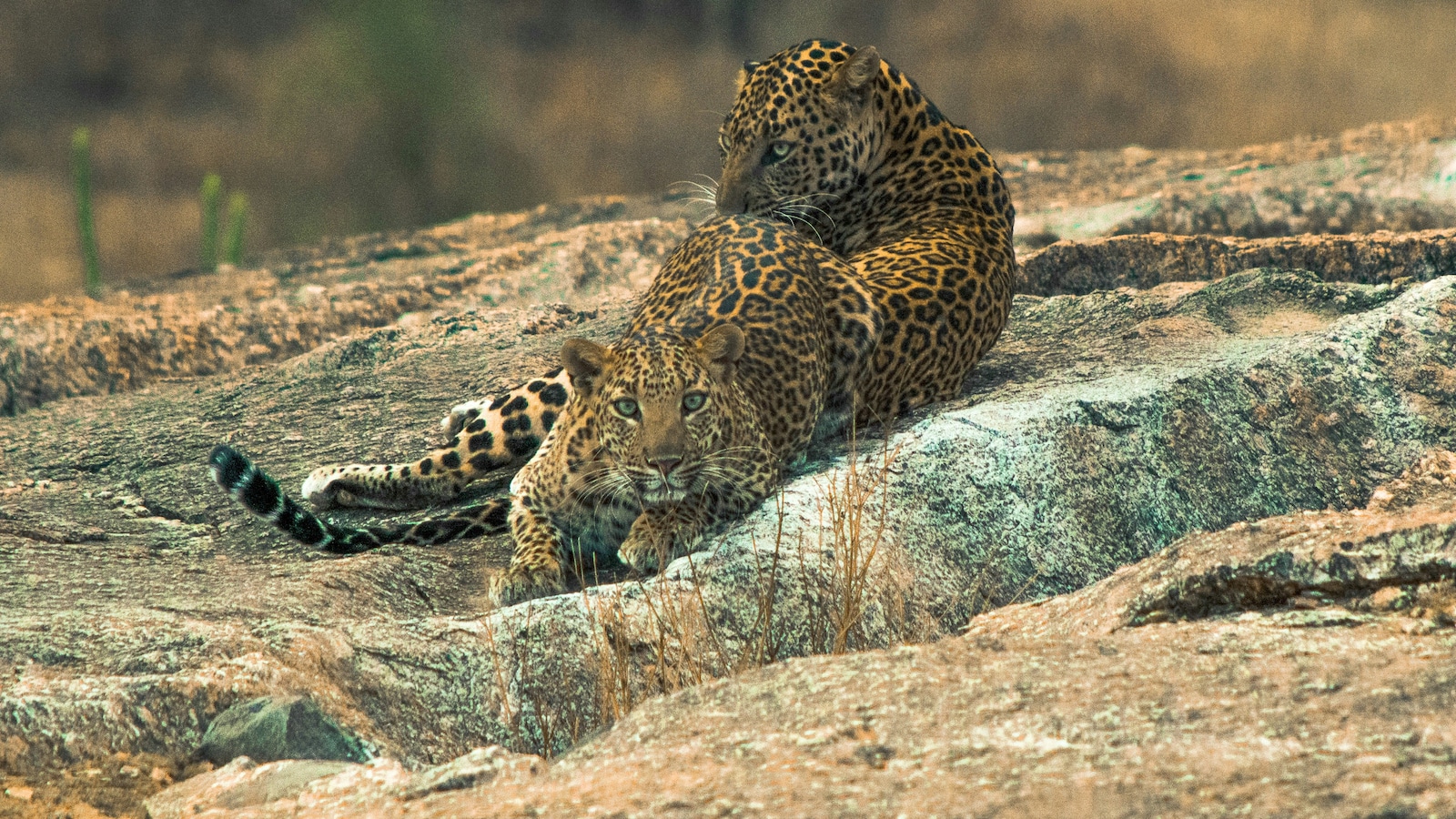
Jawai Offers Leopard Safaris Beyond Rajasthan’s Famous Tourist Cities
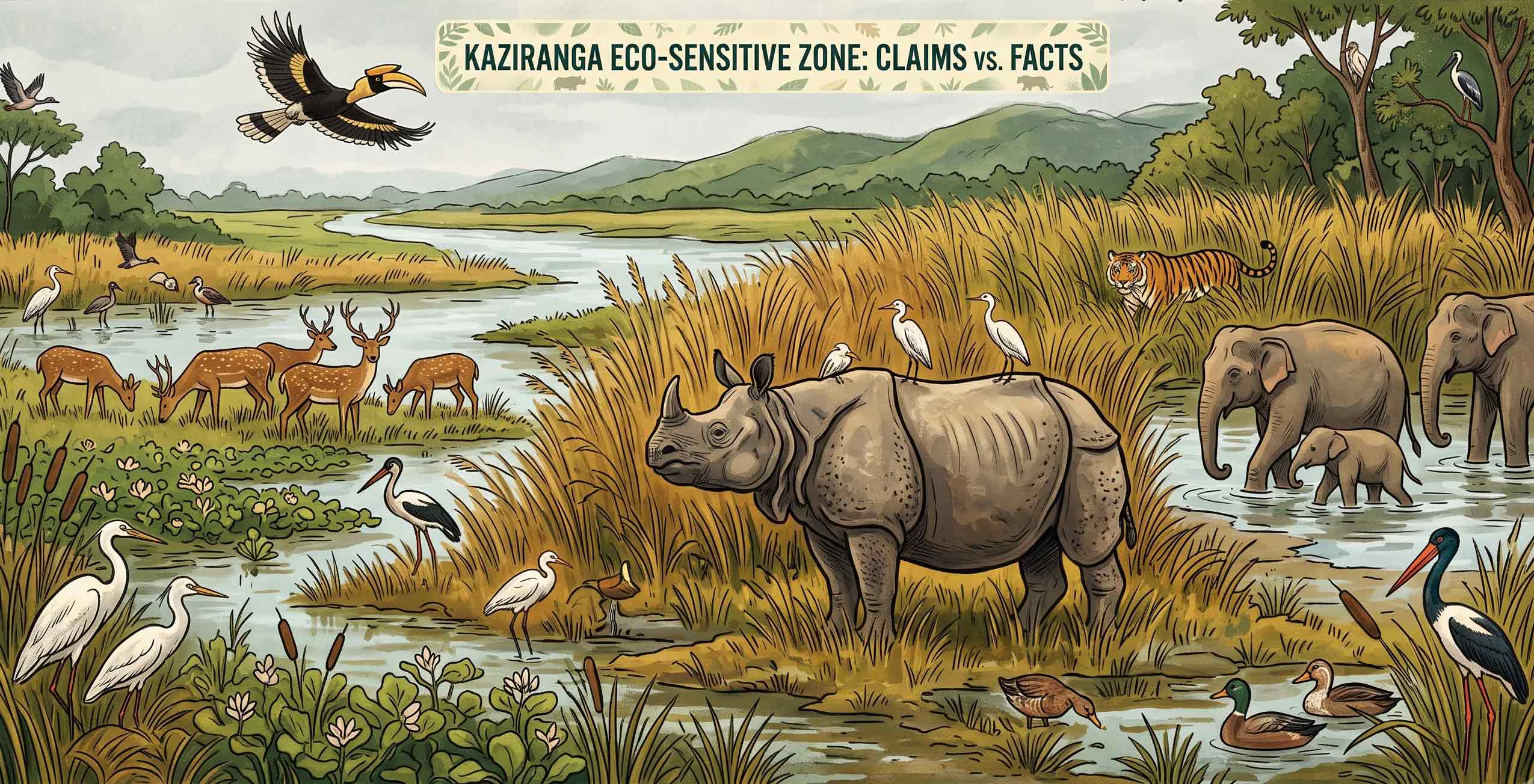
Assam's 1 km Kaziranga Eco-Sensitive Zone Plan Draws Criticism
Panel Urged to Reconsider India’s First Urban Night Safari
Himachal High Court Halts Forest Land Road Diversion Proposals

BJP Star Power Meets Congress Local Connect in Rajasthan Polls

Jojari River Pollution Ravages Rajasthan Villages as Court Orders Protection

Ahmedabad Withholds 406 Kg Paneer, Seals Three Food Establishments