6 days ago
Cyborg Cockroaches Could Deliver Emergency Aid Under Disaster Rubble
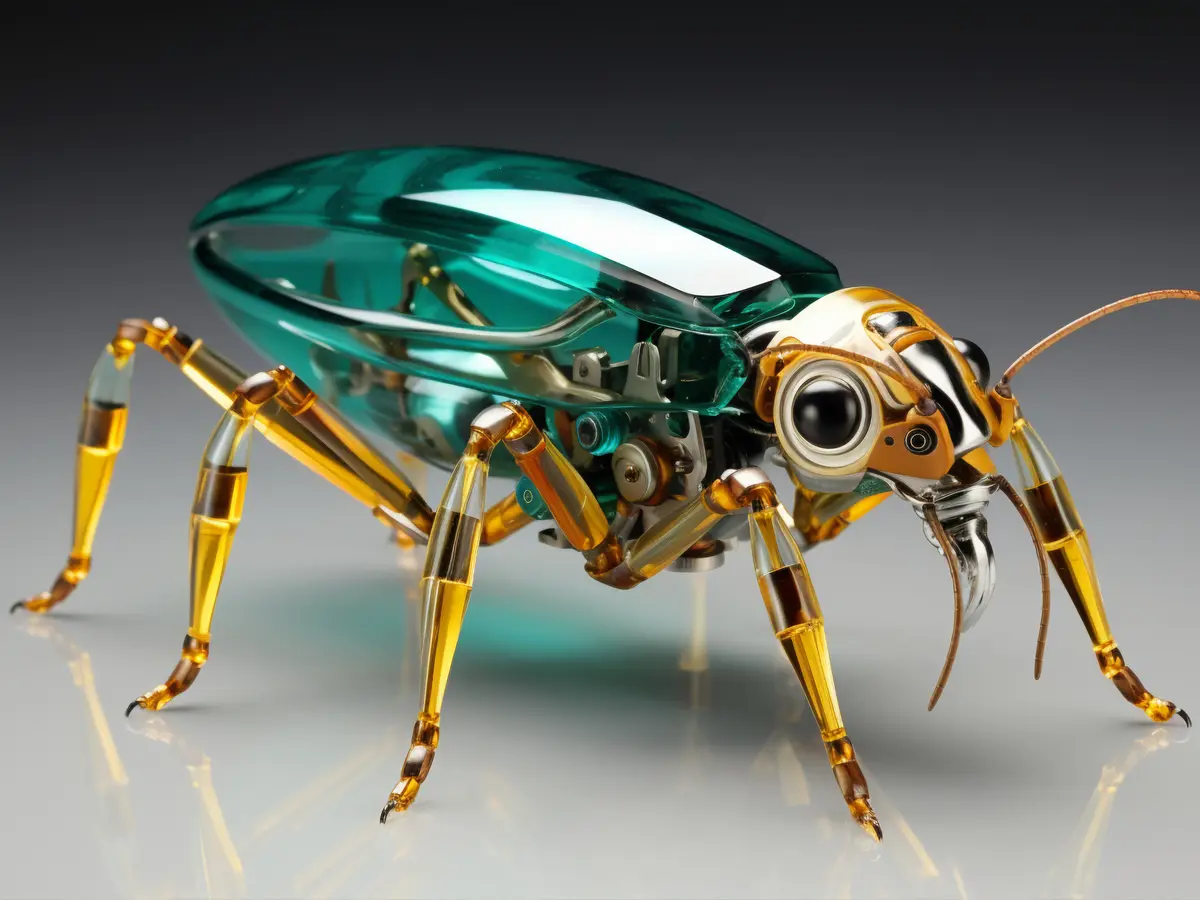
Scientists are turning giant burrowing cockroaches into tiny rescue helpers.
They attach small cameras, electronics, and a device that can give an injection.
People can remotely control the device while the cockroach moves through tight or dangerous spaces.
This could help people trapped under rubble or inside caves.
The cockroach must find the target and stay very still before giving aid.
In tests, it delivered injections successfully 95% of the time when close to the target.
The entire process of navigating and injecting worked in 72% of attempts.
The insects are put under anesthesia while the equipment is attached.
Researchers say the technology may help rescue teams reach people they cannot safely access themselves.

Researchers fitted giant burrowing cockroaches with cameras and miniature medical injectors.
The remotely triggered systems are intended for search-and-rescue missions in rubble, caves, and other dangerous spaces.
Researchers said the insects could provide emergency assistance while humans retain control of medical decisions.
The cockroaches successfully delivered injections in 95% of close-range trials within 15 centimeters.
The complete navigation-and-injection sequence succeeded in 72% of proof-of-concept attempts.
- Who
- Biorobotics researchers from the University of Queensland and the University of New South Wales, working with biomedical engineers, developed the system.
- What
- They created “paraborgs,” giant burrowing cockroaches equipped with cameras, electronics, and remotely triggered medical injectors.
- Where
- The system was developed by researchers at the University of Queensland and the University of New South Wales, using a cockroach species native to far north Queensland.
- When
- The article does not specify when the research or trials occurred.
- Why
- The technology is intended to provide emergency assistance to people trapped in rubble, caves, or other spaces too dangerous or narrow for rescuers to enter.
Key facts
- Animal used
- Giant burrowing cockroach (Macropanesthia rhinoceros)
- Equipment
- Lightweight electronics, onboard cameras, and custom remotely triggered auto-injection systems
- Close-range injection success
- 95% within 15 centimeters of the target
- Full sequence success
- 72% for navigation and injection together
- Primary engineering challenge
- Positioning the insect accurately and keeping it steady for the injection
- Human control
- Critical medical decisions remain under human control
- Post-fitting lifespan
- Researchers said the cockroaches live as long as other cockroaches once their harnesses are removed
Quotes
Thang Vo-Doan
University of Queensland biorobotics engineer
“A lot of people might not like the sight of a giant cockroach scurrying towards them, but if you’re trapped in rubble or stuck in a cave and need help, it could make a real difference between life and death.”
 wionews.com
“Augmenting their natural biomechanics could allow these cyborg insects to deliver timely emergency assistance when direct access to people trapped in narrow, debris-filled spaces isn’t possible.”
wionews.com
Sources
Related news
Nepal’s Drones Carry Bodies, Aid During Devastating Floods
Foundation Pitches Humanoid Robots for Border Patrol and War
GHMC Deploys Drones to Fight Mosquito Breeding Across Hyderabad
Andhra University Students Build Bio-Inspired Flapping-Wing Ornithopter