

1 day ago
Indian Army Plans Six Labs to Secure Drone Firmware
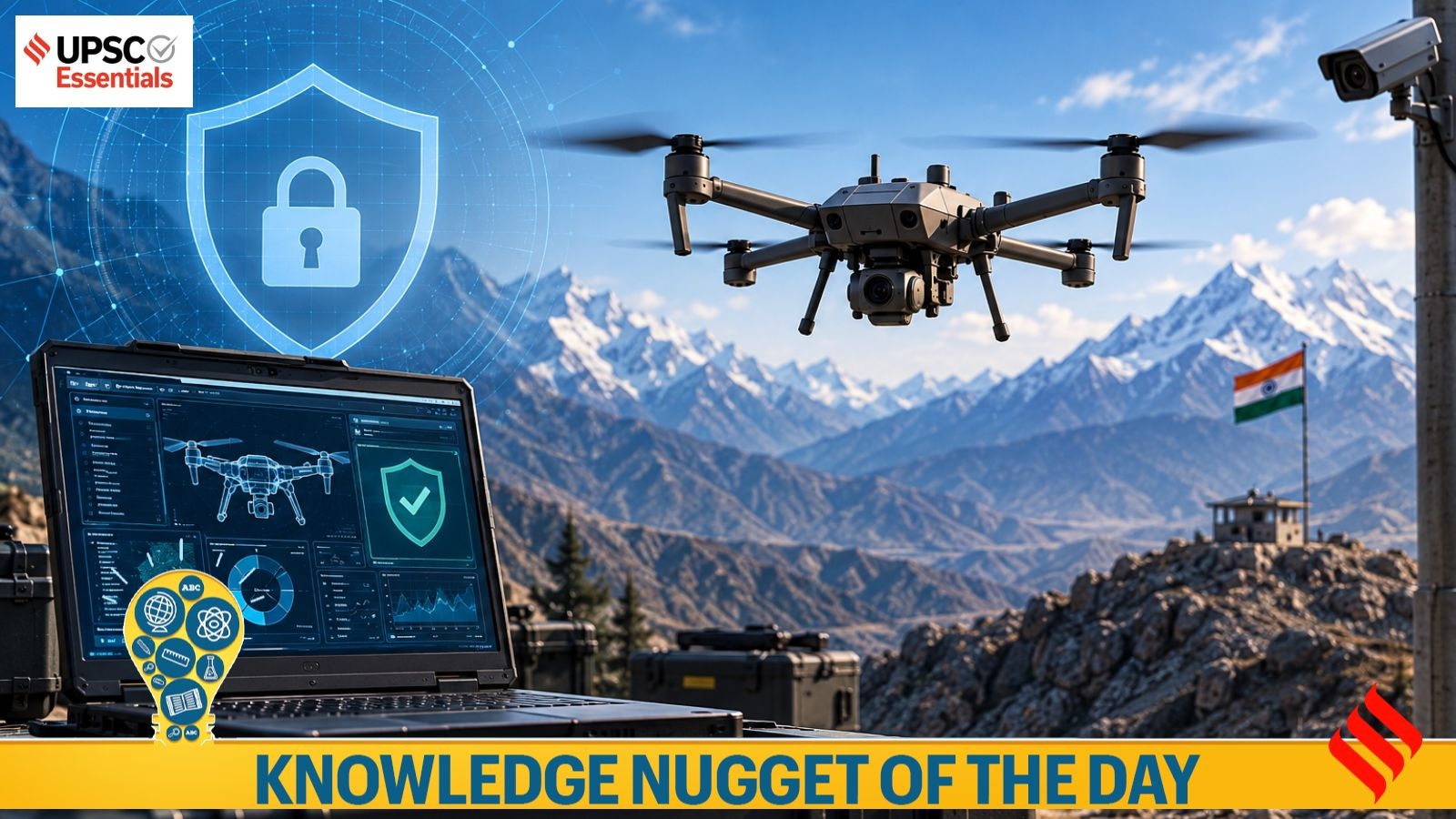
The Indian Army is creating special laboratories to check military drones.
These laboratories are called AASHVAST labs.
They will examine both the drone’s hardware and its firmware, which is software built into the device.
Some hidden instructions or faulty code could make a drone stop, change its behaviour or fail to reach its destination.
The labs will look for these problems before the drones are used in important operations.
They will also check for suspicious foreign components, hidden passwords and tools that could allow remote access.
One lab has opened in Delhi, and five more are planned.
The Army may later inspect its CCTV cameras in the same way.

The Indian Army plans to operate six AASHVAST labs nationwide, with one already inaugurated in Delhi.
AASHVAST means Assessment and Analysis of Electronic Systems Hardware for Vulnerabilities and Security Threats.
The labs will inspect drones for firmware vulnerabilities, hidden codes, remote-access tools, foreign components and location-based controls.
AASHVAST can reportedly detect about 14 vulnerability types, including geospatial, time-based and destination-related faults.
The Army may eventually use the labs to inspect procured CCTV cameras for potentially embedded Chinese proprietary protocols.
- Who
- The Indian Army, with the AASHVAST suite developed by QuickPay Pvt Ltd for the Directorate General of Electronics and Mechanical Engineering.
- What
- It is establishing laboratories to test drones and eventually CCTV cameras for firmware-level vulnerabilities and suspicious embedded components.
- Where
- Across India, with the first lab in Delhi.
- When
- One lab has been inaugurated, and at least five more are planned in the coming months; the Army issued a related procurement request in April.
- Why
- To prevent hidden software flaws, foreign-origin components and possible remote interference from disrupting military equipment during operations.
Key facts
- AASHVAST expansion
- Assessment and Analysis of Electronic Systems Hardware for Vulnerabilities and Security Threats
- Planned facilities
- Six labs across India
- Current facility
- One lab has been inaugurated in Delhi
- Testing focus
- Firmware, embedded systems and electronic components in unmanned aerial vehicles
- Vulnerability types
- Approximately 14, including geospatial, time-based and location-based vulnerabilities
- Additional inspections
- Army-procured CCTV cameras may eventually be tested
- Developer
- QuickPay Pvt Ltd, for the Directorate General of Electronics and Mechanical Engineering
Quotes
A person involved with setting up the AASHVAST lab
A participant in establishing the Indian Army’s AASHVAST laboratory.
“This will help prevent situations where active components sourced from China are misrepresented as ‘made in India’ or another country, based solely on the invoice indicating their point of purchase.”
 indianexpress.com
Indian Army Additional Directorate General of Public Information
The Indian Army’s public information directorate, which posted the statement on X.
“Equipped with advanced capabilities AASHVAST will enable evaluation of critical defence platforms thereby increasing cyber resilience. Aligned with the national vision of #AtmanirbharBharat, the facility will strengthen operational readiness as well as promote growth of the domestic defence ecosystem.”
indianexpress.com
Sources
Related news

Indian Army Opens AASHVAST Labs to Screen Drone Firmware
India’s Drone Industry Turns to Localising Critical UAV Components

India Expands Defence Capabilities Amid Pakistan Unrest and Regional Shifts

CISF, DFI Partnership Strengthens Counter-Drone Security At Vital Installations

Vaishnaw Warns India’s Chip Rise Could Invite Cyberattacks

National Herald Case: Delhi Court Defers Proceedings, Seeks Clarification
