3 weeks ago
Michael Burry warns of '1987-type fall' despite big tech earnings
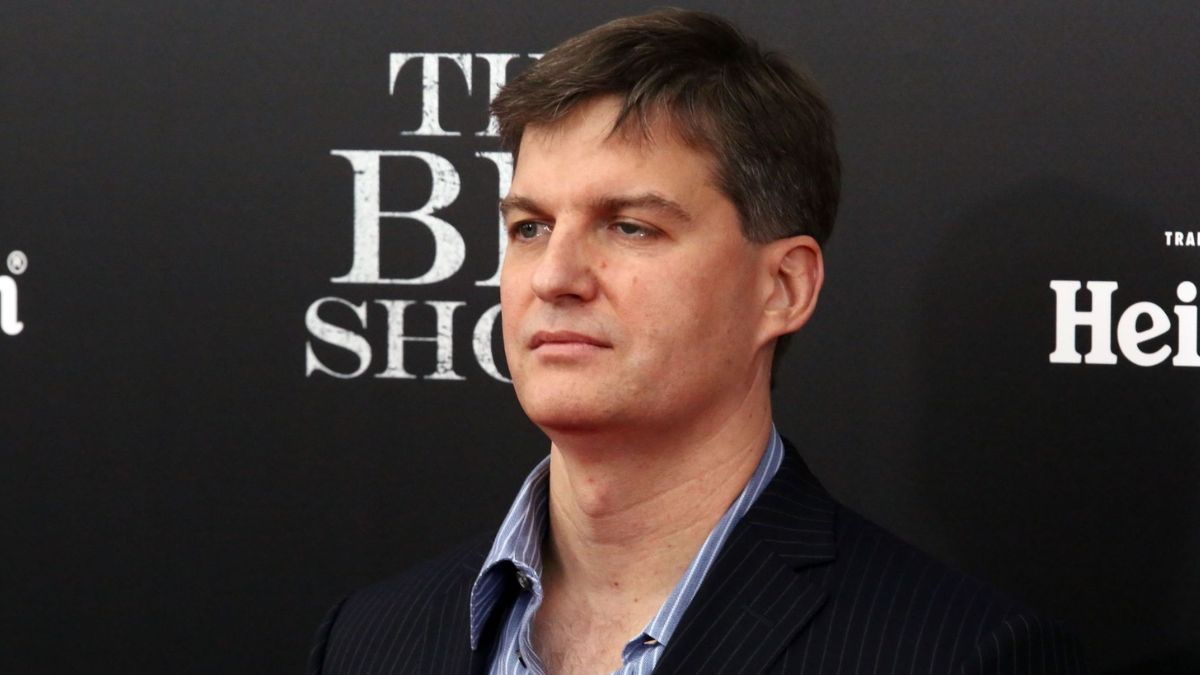
Michael Burry is a famous investor who thinks the stock market might crash again, like it did in 1987.
On 'Black Monday' in 1987, stocks lost more than 30% of their value and took almost two years to recover.
Big technology companies are earning a lot of money right now, which usually makes investors happy.
But Burry thinks their stock prices are too high.
He says people are spending huge amounts of money on AI, like people rushing to find gold during a gold rush.
He warns that 'ghost towns' are often left behind after every gold rush.
He is also worried that investors are borrowing too much money, which can make a crash worse.
To make money if the market falls, Burry is betting against some companies, but he says most people should not try that.

Michael Burry warned in a Substack post of a possible '1987-type fall,' citing high valuations, massive AI spending, and rising leverage.
His warning came despite blockbuster quarterly results and strong forecasts from the world's biggest technology companies.
The 1987 'Black Monday' crash saw the S&P 500 plunge more than 30% and took nearly two years to recover.
Burry holds short positions in Micron, Nvidia, the iShares Semiconductor ETF (SOXX), Caterpillar, Tesla, Palantir and Applied Materials; all are profitable except Nvidia.
SpaceX and Meta reportedly began renting out computing power — with Anthropic as a customer — raising questions about demand for AI infrastructure.
- Who
- Michael Burry, the investor known for the 'Big Short,' as well as the world's biggest technology companies reporting earnings.
- What
- Burry warned that markets could face a '1987-type fall' driven by high valuations, massive AI spending, and rising leverage.
- Where
- Wall Street and the U.S. stock market, as measured by the S&P 500.
- When
- Recently, in a Substack post, with the warning signs he cites described as showing up in 2026.
- Why
- He sees conditions similar to those before major crashes: stretched valuations, huge AI spending, rising leverage, and weakened confidence in US assets as central banks buy more gold.
Bearish view (Burry)
Bullish view (market optimists)
Market direction
Bearish view (Burry)
Burry expects a '1987-type fall' because high valuations, massive AI spending and rising leverage echo conditions seen before major crashes.
Bullish view (market optimists)
Investors have been cheering better-than-expected quarterly results and strong forecasts from big tech, treating the earnings as validation of the rally.
AI investment boom
Bearish view (Burry)
Burry compares AI to a gold rush that will leave 'ghost towns' behind, and notes heavy AI infrastructure spending is reducing companies' free cash flow.
Bullish view (market optimists)
Excitement around AI has pushed several of Wall Street's biggest stocks to expensive levels, and companies keep investing billions while reporting strong results.
Leverage risk
Bearish view (Burry)
Burry says the rally is self-feeding: as volatility falls and stocks rise, funds automatically add leverage, increasing crash risk — 'I must short. Most should not.'
Bullish view (market optimists)
The rally has continued as volatility falls and stocks keep rising, with funds increasing their exposure, so far supported by strong earnings.
Key facts
- Investor
- Michael Burry, famed 'Big Short' investor
- Warning
- Possible '1987-type fall' in stock markets
- Factors cited
- High valuations, massive AI spending, rising leverage
- 1987 crash reference
- S&P 500 plunged more than 30%; took nearly two years to recover
- Current short positions
- Micron, Nvidia, iShares Semiconductor ETF (SOXX), Caterpillar, Tesla, Palantir, Applied Materials
- Only unprofitable short
- Nvidia
- AI demand concerns
- SpaceX and Meta reportedly renting out computing power; Anthropic a customer
- Central bank activity
- Buying more gold; reducing exposure to US dollar and Treasury bonds
Quotes
Michael Burry
Renowned investor and former Warren Buffett partner
“"there’s really gold in them thar hills,"”
 financialexpress.com
“"I must short. Most should not."”
financialexpress.com
Sources
Related news

AI Stock FOMO Grows Amid Earnings and Valuation Bubble Warnings
Bank of England Warns AI Boom Could Trigger Market Shock

AI Investment Anxiety Lingers as Profits, Stocks Hit Records
Asian stocks slide as technology sell-off deepens before Nvidia earnings

Allspring’s Miletti Says Jackson Hole Outweighs Nvidia Risk

AI Stocks Rebound as Memory Chip Demand Drives Global Rally

Social Media Companies Intensify Efforts to Identify Child Users

Yorkville America Expands Beyond Trump-Linked ETFs With AI Strategy

Meta’s $18-Billion Child Safety Settlement Faces Praise and Criticism

School Awards Honour Courage, Commitment and Educational Excellence

AI Expansion Puts Jamnagar and Thane Under Water Stress