

1 week ago
Post-Procedure Skincare Guide Emphasizes Gentle Healing and Sun Protection
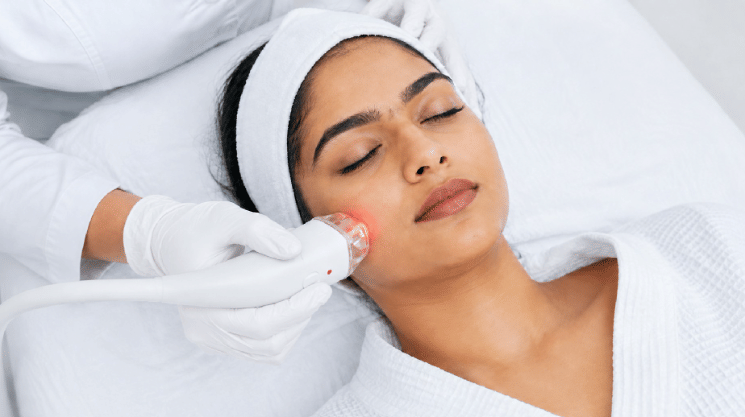
Skin treatments make small, controlled changes so the body can repair the skin.
During healing, the skin may feel warm, tight, swollen, flaky or sensitive.
Different treatments need different care, so a dermatologist’s instructions are more important than general online advice.
For the first day or two, avoid touching, rubbing or adding unapproved products.
Clean the area gently only when the clinic says it is allowed.
Do not pick flakes, crusts or scabs because this can slow healing.
Avoid heat, swimming, sweaty exercise and irritating skincare until your clinician says they are safe.
Use sun protection when approved, because sunlight can worsen redness and colour changes.
Call the clinic if symptoms get worse instead of better or if you develop signs such as pus, fever or spreading redness.

Patients should follow their treating dermatologist’s instructions because aftercare varies by procedure, depth, settings and skin history.
The first 24 to 48 hours generally call for minimal handling, approved products and avoidance of heat, friction, makeup and strenuous activity.
Laser, chemical peel and microneedling recovery can involve redness, swelling, tightness, flaking, crusting or temporary colour changes.
Patients should avoid picking, exfoliating acids, retinoids, scrubs and other irritating products until the skin has recovered and their clinician approves reintroduction.
Worsening pain, spreading redness, increasing swelling, pus, fever, blisters or intense reactions to prescribed products should prompt a call to the treating clinic.
- Who
- People recovering from laser treatments, chemical peels or microneedling, under the guidance of their treating dermatologists.
- What
- A guide to post-procedure skincare focused on gentle cleansing, barrier support, avoiding irritation and protecting healing skin from the sun.
- Where
- On treated skin, including the face or other treatment areas; the article also discusses sun exposure in India.
- When
- Especially during the first 24 to 48 hours and throughout the advised recovery period.
- Why
- To support healing and reduce avoidable irritation, infection, scarring, prolonged redness and unwanted pigment changes.
Key facts
- First priority
- Follow the treating dermatologist’s instructions rather than a generic online routine.
- Early care
- Do not cleanse, wet, apply makeup or use skincare until the clinician’s specified time.
- Cleansing
- When permitted, use clean hands, lukewarm water and an approved gentle cleanser.
- Products to pause
- Retinoids, exfoliating acids, benzoyl peroxide, scrubs, astringent toners and strong acidic vitamin C may need to be avoided temporarily.
- Sun protection
- Once approved by the clinician, use broad-spectrum SPF 30 or higher; some dermatologists may recommend SPF 50 or a specific formula.
- Avoid picking
- Peeling or scratching flakes, crusts and scabs can delay recovery and increase infection, scarring or uneven-pigment risks.
- Warning signs
- Contact the clinic for worsening pain, spreading redness, increasing heat or swelling, pus, foul-smelling drainage, fever, blisters or unexpected open areas.
Sources
Related news

Multiple Cosmetic Procedures Carry Both Benefits And Risks

Rubina Dilaik Denies Plastic Surgery Rumours, Reveals Non-Invasive Procedures

Seema Sajdeh Discusses Cosmetic Treatments and Independent Personal Life
Skin Regeneration Shifts Aesthetic Medicine Toward Long-Term Health

Dermatologists Warn Against Viral DIY Hacks Before Rakhi

Nia Sharma Announces Three-Day Selfie Break After Skin Treatment

Gold Loans Quadruple as India’s Untapped Gold Wealth Fuels Growth

Toxic Box Office Hits New Low After Strong Opening

The Yellow Diary Launches India Tour With Sold-Out Bengaluru Shows

India’s Fourth BRICS Chair Faces a Much Larger Summit

Nepal Families Seek Missing Loved Ones After Deadly Flash Floods
