1 day ago
Trump Seeks Rate Cuts as Warsh Faces Bond Market Test
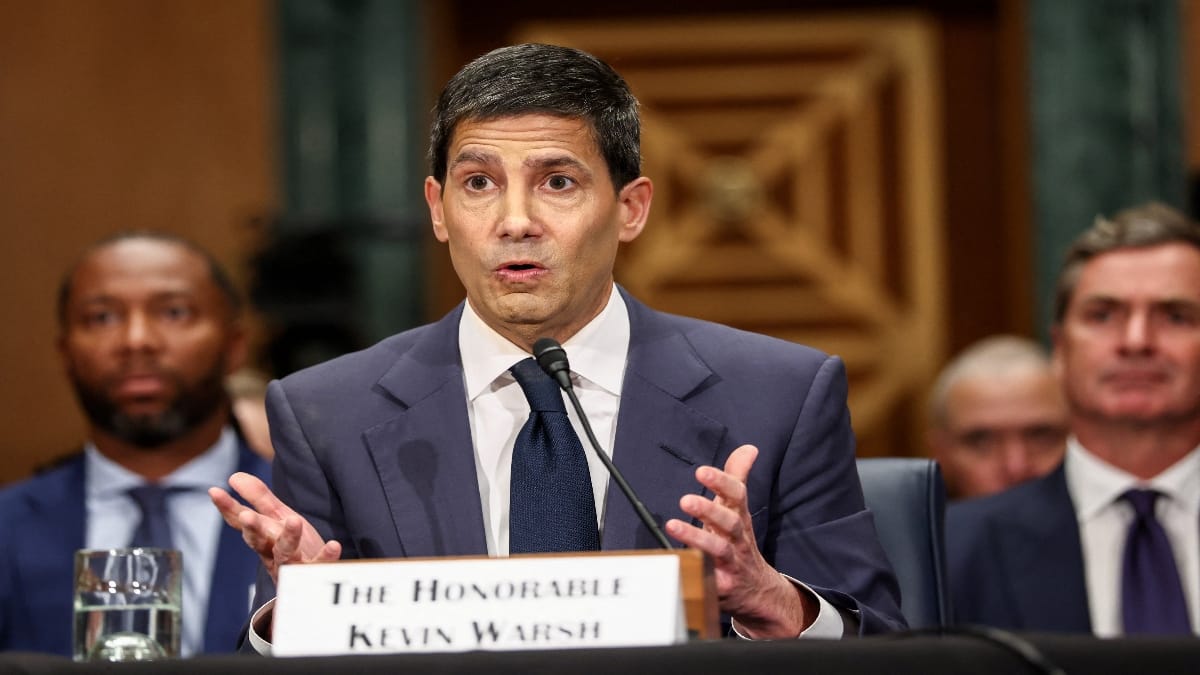
The Federal Reserve is expected to raise interest rates a little on Wednesday.
Most investors already expect this move, so they are watching what Fed Chair Kevin Warsh says next.
Prices are still rising faster than the Fed would like.
Oil has also become more expensive, and employers added more jobs than expected.
At the same time, investors are demanding higher interest payments to lend money to the United States.
This has pushed the 10-year Treasury yield to about 5%.
Higher bond yields can make mortgages, business loans and government borrowing more expensive.
President Donald Trump wants lower rates, but the Fed says it must keep inflation under control.
Warsh must therefore balance political pressure, inflation concerns and the bond market’s demands.

The Federal Reserve is widely expected to raise interest rates by 25 basis points on Wednesday.
Investors are focused on Kevin Warsh’s guidance about future rate increases and the Fed’s inflation outlook.
The 10-year US Treasury yield has risen to about 5.02%, its highest level since 2007.
Persistent inflation, oil prices above $100 a barrel and stronger-than-expected hiring complicate any dovish policy shift.
Donald Trump wants lower rates, while bond investors are demanding higher yields amid concerns about inflation, borrowing and fiscal policy.
- Who
- The Federal Reserve, chaired by Kevin Warsh, is making the policy decision; President Donald Trump is calling for lower rates, while bond investors are seeking higher yields.
- What
- The Fed is expected to raise its policy rate by 25 basis points and explain whether further tightening may follow.
- Where
- The decision concerns United States monetary policy and the US Treasury market.
- When
- The decision is scheduled for Wednesday.
- Why
- Inflation remains above target, oil prices have risen, hiring has been stronger than expected and Treasury yields have climbed.
Lower-Rate Advocates
Inflation and Yield Concerns
Immediate interest-rate policy
Lower-Rate Advocates
Donald Trump and the White House want lower borrowing costs to support economic momentum.
Inflation and Yield Concerns
The Federal Reserve must prioritize inflation control and may need to raise rates despite political pressure.
Meaning of the expected hike
Lower-Rate Advocates
Markets could interpret the increase as a one-time adjustment, or a dovish hike, if Warsh signals that additional increases are unlikely.
Inflation and Yield Concerns
A projection for another hike could be necessary if inflation remains persistent and could keep Treasury yields under pressure.
Role of the bond market
Lower-Rate Advocates
Lower short-term rates could eventually ease financing conditions and support households, companies and the government.
Inflation and Yield Concerns
If investors remain concerned about inflation, government borrowing and fiscal policy, long-term yields could stay high even after short-term rate cuts.
Key facts
- Expected rate move
- A 25-basis-point Federal Reserve rate increase.
- Market probability
- Futures markets had assigned more than a 90% probability to the hike.
- 10-year Treasury yield
- About 5.02%, the highest level since 2007.
- August core consumer prices
- Rose 0.3% from the previous month.
- August nonfarm payrolls
- Increased by 162,000, compared with a cited consensus of 55,000.
- July Fed vote
- Policymakers voted 9-3 to keep rates unchanged, with three officials favoring a hike.
- Treasury buybacks
- Scott Bessent’s multibillion-dollar buyback program temporarily helped push yields lower but did not resolve longer-term pressures.
Quotes

Scott Bessent
United States Treasury Secretary discussing the bond market’s power over government financing
“the bond market has taken out more governments than howitzers”
 firstpost.com
Sources
Related news

Kevin Warsh’s Jackson Hole Test: Taming Inflation Without Bond Shock

Treasury Yields Hold Firm Ahead of Warsh’s Jackson Hole Speech

Fed Rate Hike Puts US Treasury Yields Under Pressure
Warsh Hawkish Tone Sends Markets Betting on Fed Rate Hikes

Investors Urge Warsh to Prioritize Inflation in Jackson Hole Speech
Warsh Weighs Rate Cut as Inflation Keeps Pressure High

Georgia To Suspend Sanctioned Iranian Airline Flights September 21
Bessent Says China’s Belt and Road Has Become Debt Collection
World Bank Makes Nuclear Energy Financing a Priority
Rising US Bond Yields Threaten Global Growth and Budgets
US Treasury Yields Top 5% Amid Global Bond Market Strain