2 hrs ago
East Indian Community Celebrates Agera Harvest Festival Across Mumbai
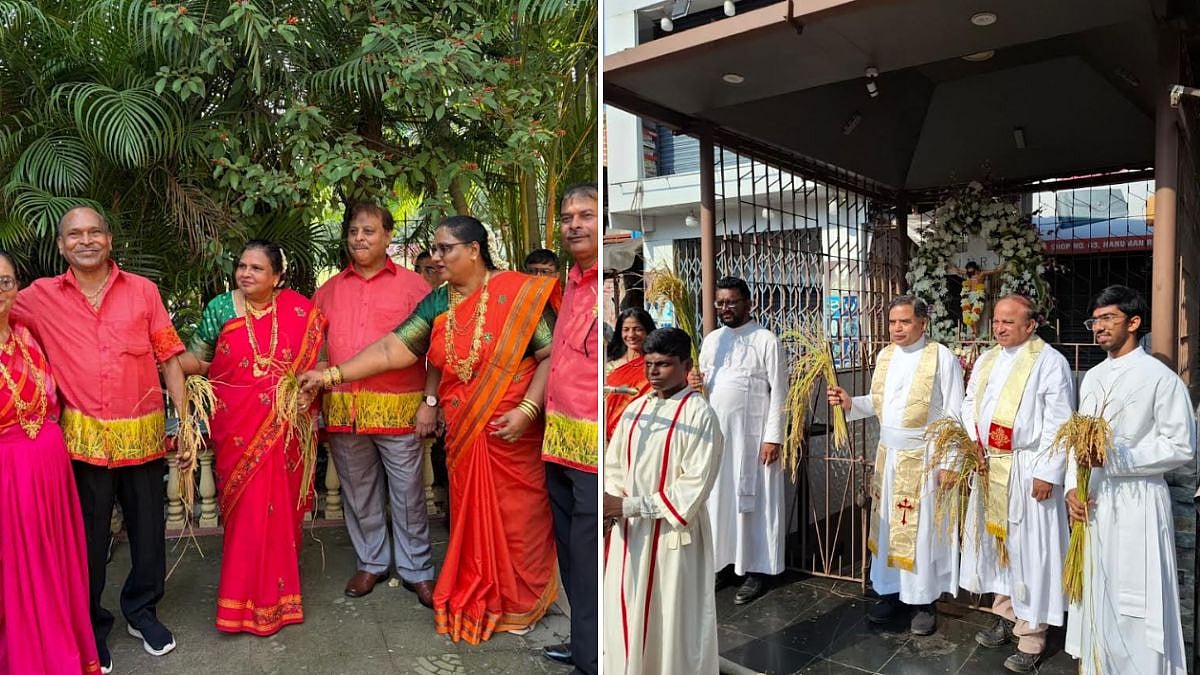
Agera is a harvest festival celebrated by the East Indian Roman Catholic community.
It is a way to give thanks for crops and remember farming traditions.
In Marol, people carried harvested rice through the village to a church.
They attended a church service in East Indian Marathi and enjoyed cultural programmes.
Families prepared traditional foods, and people sang East Indian songs.
An exhibition showed tools and household items from village life.
The festival also took place at many other churches.
Organisers said about 100 churches celebrated across several areas, where an estimated 500,000 East Indians live.

The East Indian Roman Catholic community celebrated Agera, a traditional harvest thanksgiving festival, across Gaothans.
In Marol, a procession carried freshly harvested paddy from the Villagers’ Cross to St John the Evangelist Church.
The procession was followed by a religious service in East Indian Marathi and cultural programmes.
Celebrations included traditional foods, songs, an exhibition of agricultural and household items, and shirts made from lugda fabric.
Organisers said celebrations were held at around 100 churches across Mumbai, Thane, Vasai and Raigad, where the community has an estimated 500,000 members.
- Who
- The East Indian Roman Catholic community.
- What
- Agera, a traditional harvest thanksgiving festival, was celebrated.
- Where
- Across Gaothans and churches in Mumbai, Thane, Vasai and Raigad, including Marol and Juhu.
- When
- On Sunday; Agera is celebrated on the first Sunday of October.
- Why
- To give thanks for the harvest and reconnect with the community’s agricultural roots and traditions.
Preserving agricultural heritage
Urbanisation and changing livelihoods
The meaning of Agera
Preserving agricultural heritage
Community members described the festival as a way for younger generations to reconnect with farming roots and preserve associated culture.
Urbanisation and changing livelihoods
The article describes how urban expansion and the establishment of SEEPZ changed Marol, where rice cultivation had once been a principal occupation.
Key facts
- Festival
- Agera, derived from “ager,” meaning paddy field.
- Traditional date
- The first Sunday of October.
- Marol procession
- Villagers carried sheaves of freshly harvested paddy from the Villagers’ Cross to St John the Evangelist Church.
- Church celebrations
- Community representatives said celebrations were held at around 100 churches.
- Areas named
- Mumbai, Thane, Vasai and Raigad.
- Estimated community size
- Around 500,000 members.
- Marol’s urbanisation
- The article says agriculture remained central until the 1970s, when the establishment of SEEPZ accelerated urbanisation.
Quotes
Godfrey W Pimenta
Marol resident who spoke about the festival’s connection to the village’s agricultural past.
“The Agera celebrations also recall a very different Marol, when the village was surrounded by ancestral agricultural lands and rice cultivation was the principal occupation of its villagers.”
 freepressjournal.in
Sources
Related news
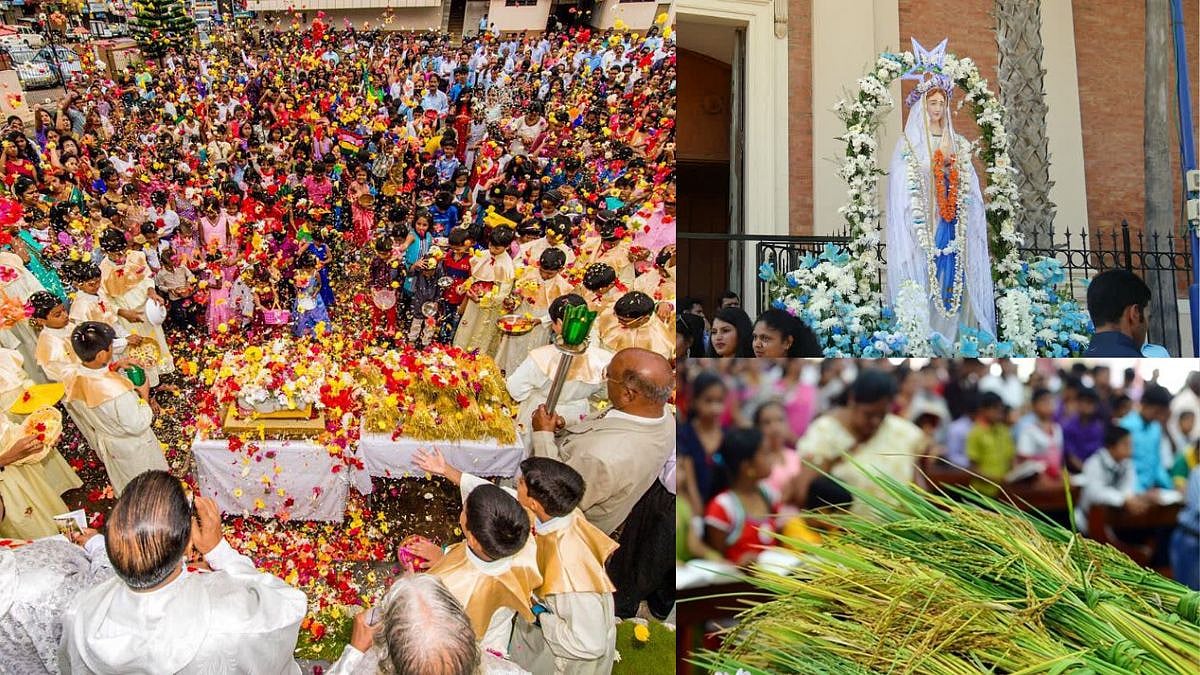
Monti Fest Celebrates Mother Mary and Mangalorean Harvest Traditions
Anantapur Village Skips Ganesh Chaturthi Amid Traditional Festival
Why Lalbaugcha Raja Became India’s Famous Ganesh Festival Icon
Heavy Mumbai Rains Disrupt Ganpati Idol Arrivals Before Festival

Ganesh Idol Crosses Atal Setu During Navi Mumbai Aagman
Byculla Cha Raja Marks 75 Years With Iconic Idol

Vasai Girl Dies After Clinic Treatment, Practitioner Booked

Mumbai Commission Orders HDFC Bank To Compensate UPI Fraud Victim
Loaded Container Overturns Near Chinchoti, Highway Traffic Restored
Mumbai Water Metro Faces Technical Challenges Across Diverse Waterways