3 weeks ago
Pakistan restricts foreign media with strict registration and accreditation rules

Pakistan is a country in South Asia.
It has made new rules for news reporters who come from other countries.
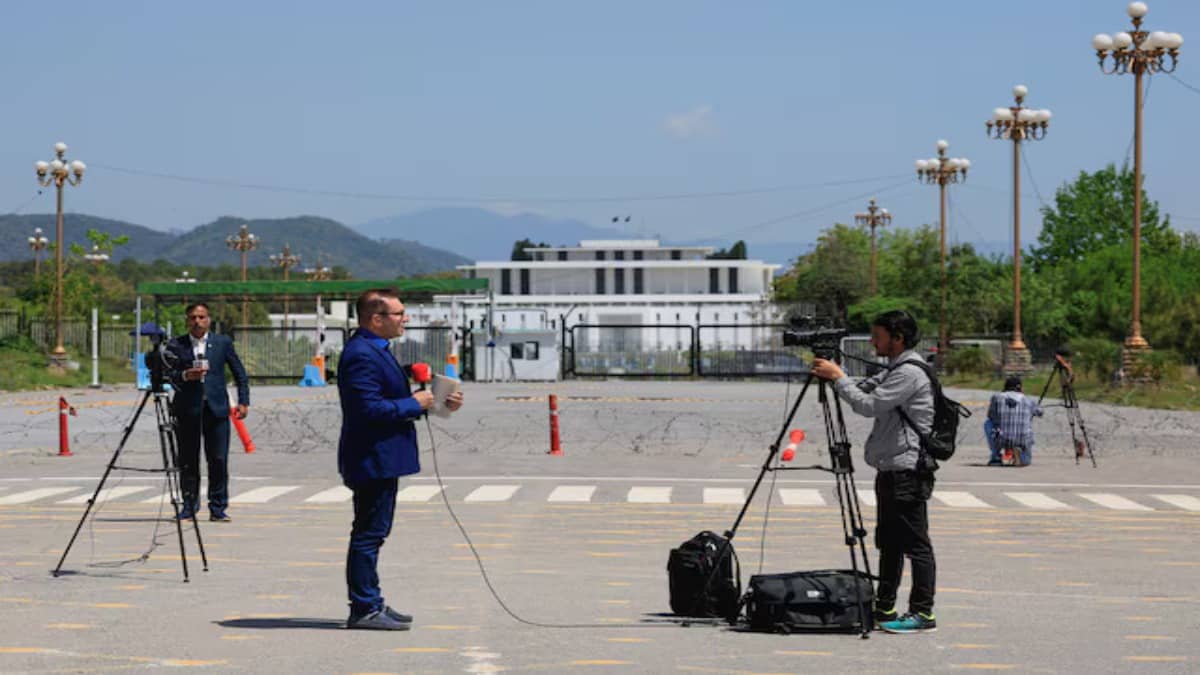
These reporters must now register with the government before they can work in Pakistan.
They can work freely only in three cities: Islamabad, Lahore, and Karachi.
To travel anywhere else, even for a leisure trip, they need special government permission.
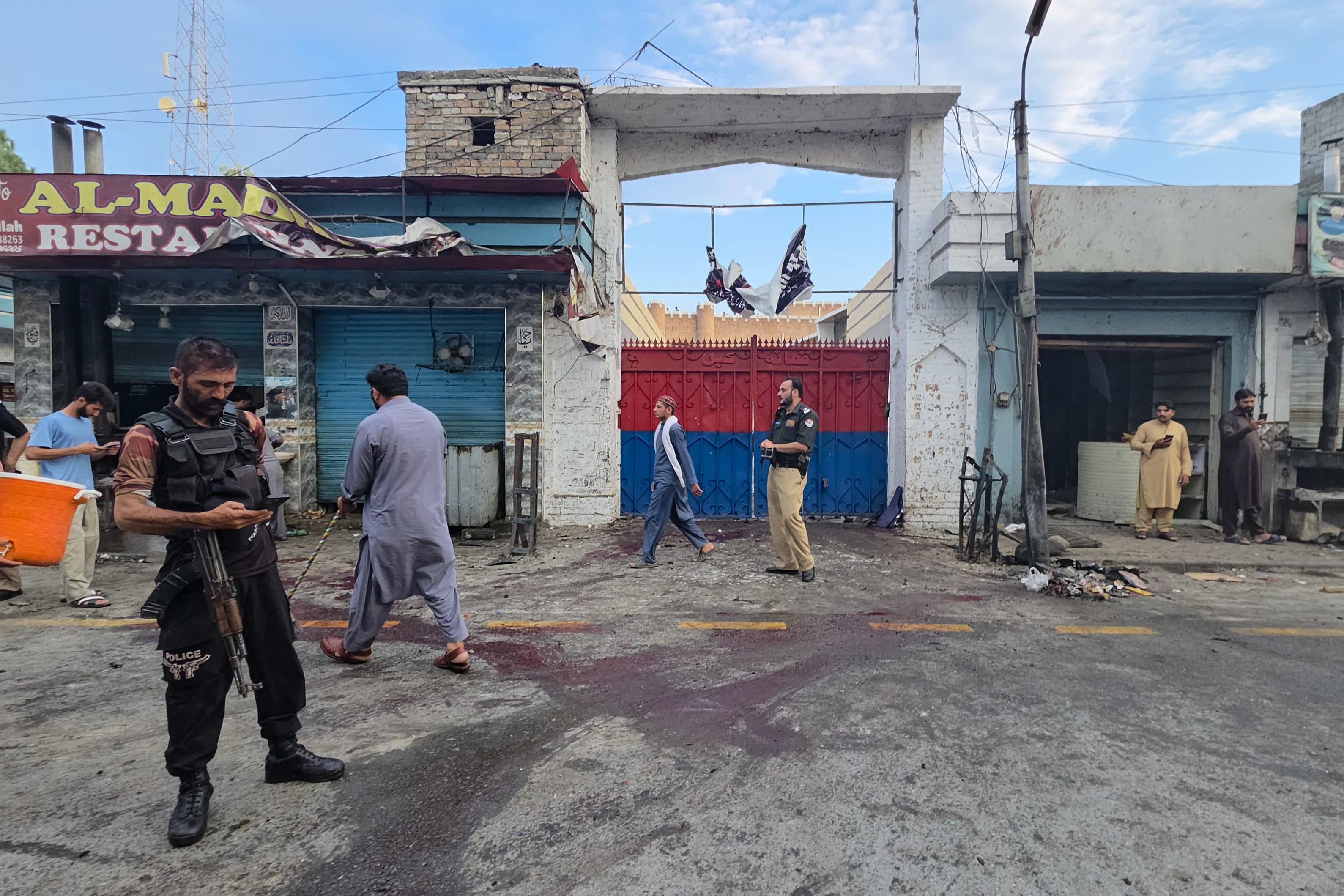
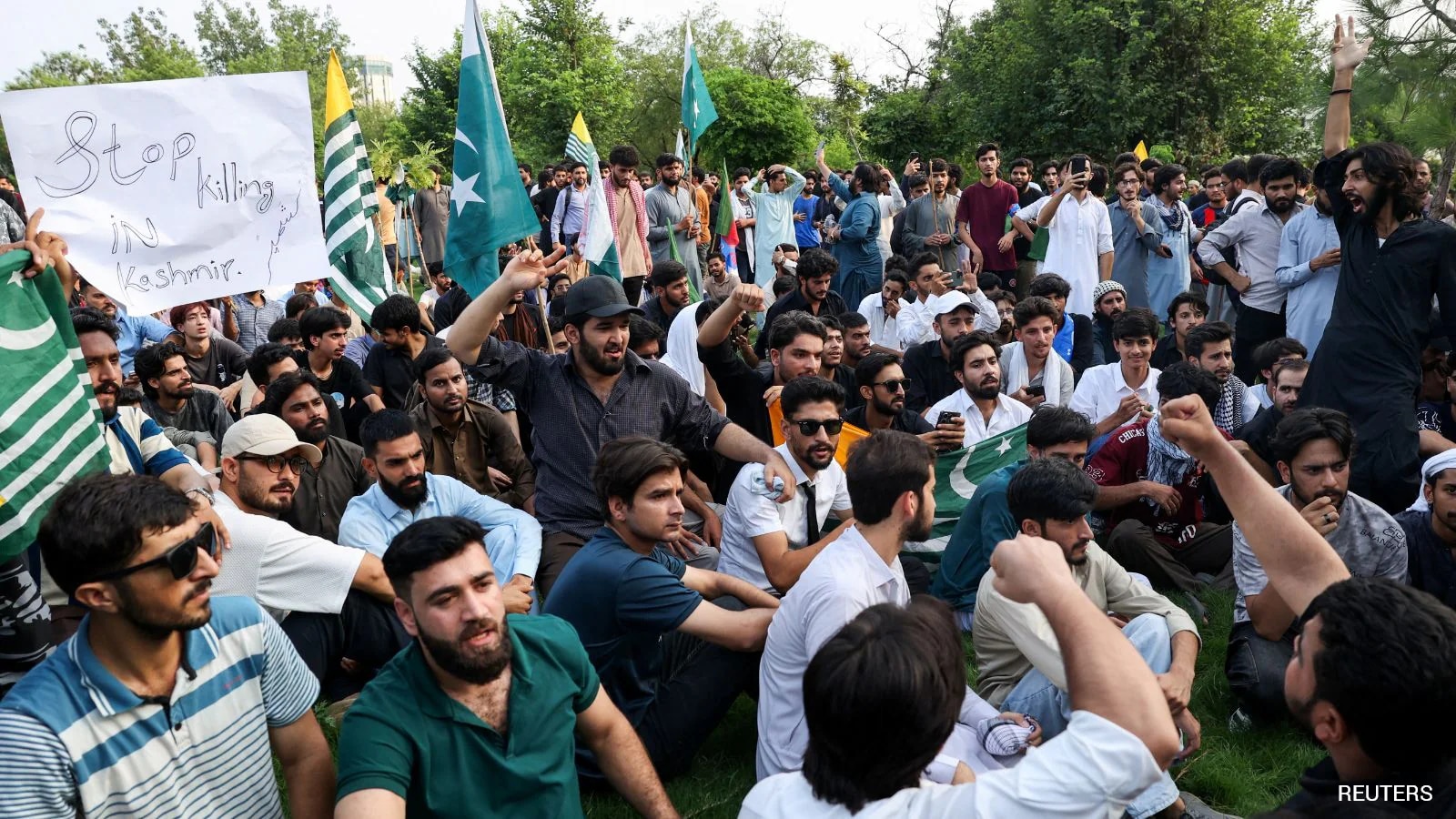
The rules came after reporters covered big protests in a region called Pakistan-Occupied Kashmir.
Many people were hurt during those protests, and tensions were high.
Pakistan's government was not happy with the coverage and accused a news channel called Al Jazeera of reporting unfairly.
Groups that protect press freedom say the rules are too strict and will make reporters afraid to tell the truth.
Many journalists in Pakistan are unhappy and are asking the government to remove the rules.

Pakistan's Ministry of Information and Broadcasting's External Publicity Wing issued the Foreign Media Facilitation Guidelines, 2026, making registration and accreditation compulsory for foreign media and for Pakistanis working with them.
Journalists with foreign media need a government No Objection Certificate (NOC) to report outside Islamabad, Lahore and Karachi, including for leisure trips to Abbottabad and Murree.
The guidelines apply to foreign print, electronic and digital media, including social media and web-based platforms, and cover freelancers, fixers, translators, sources and even managerial or administrative staff.
The rules follow international coverage of deadly protests during elections in Pakistan-Occupied Kashmir (PoK), which drew government criticism, including an August 4 accusation of 'yellow journalism' against Al Jazeera.
The Pakistan Federal Union of Journalists (PFUJ), Human Rights Commission of Pakistan (HRCP), Amnesty International and the Rawalpindi Islamabad Union of Journalists condemned the guidelines, warning they institutionalise bureaucratic control over news gathering.
- Who
- Pakistan's Ministry of Information and Broadcasting's External Publicity Wing, part of the government of Prime Minister Shehbaz Sharif, which issued the guidelines; foreign journalists, freelancers and Pakistanis working with foreign media, who must register and obtain NOCs; and press freedom bodies including PFUJ, HRCP and Amnesty International, which condemned the rules, while the Committee to Protect Journalists said it was monitoring deteriorating press freedom conditions in PoK.
- What
- The Foreign Media Facilitation Guidelines, 2026, which make registration and accreditation compulsory for foreign media and require government No Objection Certificates for reporting outside Islamabad, Lahore and Karachi.
- Where
- Pakistan, where reporting is permitted freely only in Islamabad, Lahore and Karachi; other areas require government approval.
- When
- Issued in August 2026, days after international coverage of protests and local elections in Pakistan-Occupied Kashmir.
- Why
- The government criticised international coverage of the Pakistan-Occupied Kashmir elections, accusing Al Jazeera of 'yellow journalism' and 'selective reporting from handpicked polling stations in Muzaffarabad' that fits 'the agenda of external actors with vested interests'; it had earlier also criticised the BBC's coverage.
Press freedom critics
Pakistani authorities
Purpose of the new media rules
Press freedom critics
Press freedom advocates say the guidelines institutionalise bureaucratic control over news gathering, deter independent reporting and send a 'chilling message' that critical reporting is unwelcome.
Pakistani authorities
The government says international reporting has been selective and fits 'the agenda of external actors with vested interests,' accusing Al Jazeera of 'yellow journalism.'
Restrictions on reporters' movement
Press freedom critics
Critics say requiring state approval to report from most of the country, including Balochistan and Khyber Pakhtunkhwa where major conflicts unfold, will severely hamper coverage of breaking news and hurt Pakistanis employed by international media.
Pakistani authorities
Authorities note reporting remains unrestricted in Islamabad, Lahore and Karachi, and NOCs for places such as Abbottabad and Murree may be granted within three working days.
Scope and enforcement of the rules
Press freedom critics
Rights groups warn the rules cover everything from freelance journalists to translators and even 'sources,' with vaguely defined grounds for suspending accreditation, raising fears of arbitrary application.
Pakistani authorities
The guidelines state accreditation can be withdrawn for misuse, forged documents, or acts against Pakistan's ideology, sovereignty, security or public order.
Key facts
- Guidelines
- Foreign Media Facilitation Guidelines, 2026
- Issuing body
- Ministry of Information and Broadcasting's External Publicity (EP) Wing
- Scope
- Foreign print, electronic and digital media, including social media and web-based platforms
- Cities with free access
- Islamabad, Lahore and Karachi
- NOC processing (leisure trips)
- Within three working days for Abbottabad and Murree
- World Press Freedom Index rank
- 153 out of 180 (Reporters Without Borders)
- Context
- Deadly protests by the Joint Awami Action Committee during elections in Pakistan-Occupied Kashmir (PoK); around 40 deaths reported
- Government accusation
- Al Jazeera accused of 'yellow journalism' on August 4; BBC also previously criticised
Quotes

Union of Journalists in Rawalpindi Islamabad
Representative of the Union of Journalists
“is deeply concerned by the government's new Foreign Media Facilitation Guidelines 2026, which, rather than facilitating journalism, will invariably institutionalise bureaucratic control over news gathering and risk deterring independent reporting on matters of public interest”
 NDTV
NDTV
“yellow journalism" and "selective reporting" that corresponds to "the agenda of external actors with vested interests who are attempting to delegitimise this electoral exercise”
NDTV

Government spokesperson
Official representing Pakistan’s Ministry of Information and Broadcasting
“These guidelines shall be applicable to all foreign or international print, electronic and digital media including social media & web-based platforms.”
 indianexpress.com
Sources
Related news

Pakistan Tightens Foreign Media Rules, Makes NOC Mandatory for Travel
Pakistan Broadens Media Curbs to Local Staff of Foreign Outlets

Media bodies criticise Pakistan's new 2026 guidelines for foreign press

Pakistan's New Media Guidelines Restrict Coverage of PoJK Unrest
Five Years On: How Afghanistan Changed Under Taliban Rule
Trump's Plane Swap Highlights Secret Service Decoy Tactics
Trump's Secret Turkey Plane Swap Sparks Anger Among Journalists